15 Dining Room Rug Ideas That Complete Your Space
1. Jute Rug Under a Wooden Dining Table
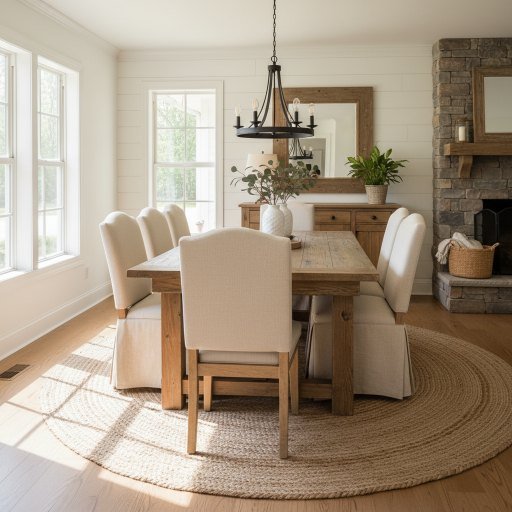
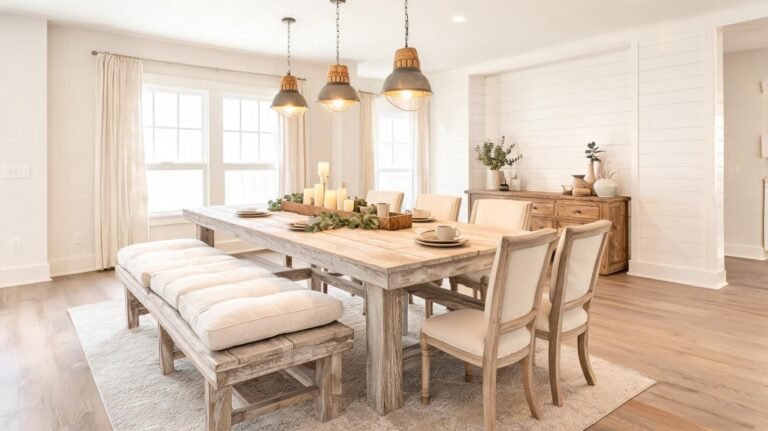
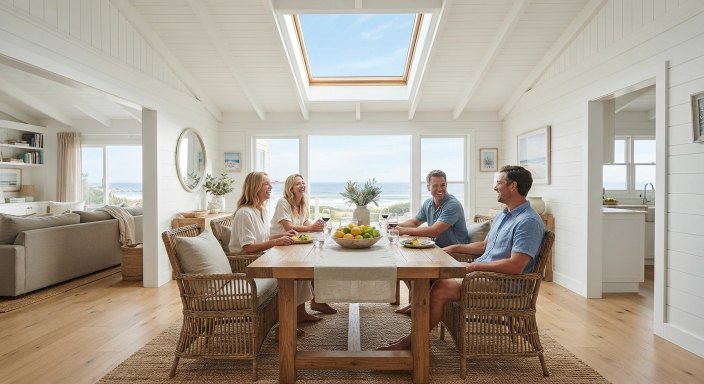
A natural jute rug placed under a wooden dining table creates a warm, textured foundation that grounds the entire room. The fiber’s earthy tone and woven texture add organic charm, making this pairing especially popular for farmhouse or coastal-style dining spaces.
Jute rugs also offer practical durability for high-traffic dining areas, resisting stains and wear better than delicate fabrics. Their neutral color palette pairs effortlessly with wood furniture and layered textiles, giving readers an easy way to add warmth without overwhelming the room’s existing color scheme.
2. Bold Geometric Rug in a Modern Dining Room
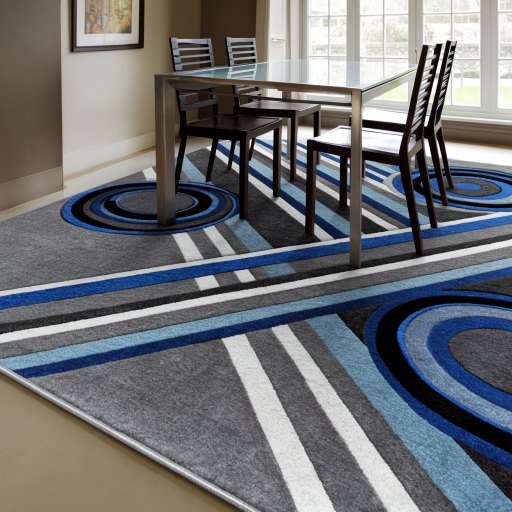
A bold geometric rug instantly becomes the focal point of a modern dining room, adding energy and visual interest beneath a minimalist table setup. The graphic pattern contrasts nicely with clean-lined furniture, creating a dynamic combination that feels curated and intentional.
This styling approach works especially well for readers wanting to introduce color and pattern into an otherwise neutral space. Pairing the bold rug with simple, solid-colored chairs keeps the overall look balanced, letting the rug’s pattern take center stage without competing with busy furniture choices.
3. Vintage Persian Rug for Traditional Elegance
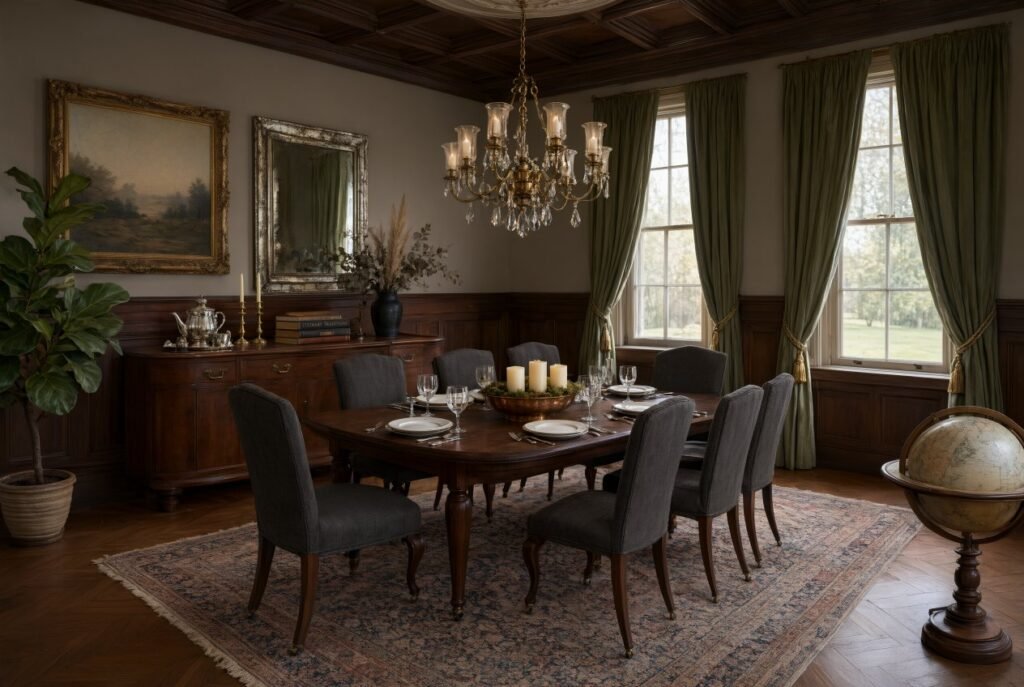
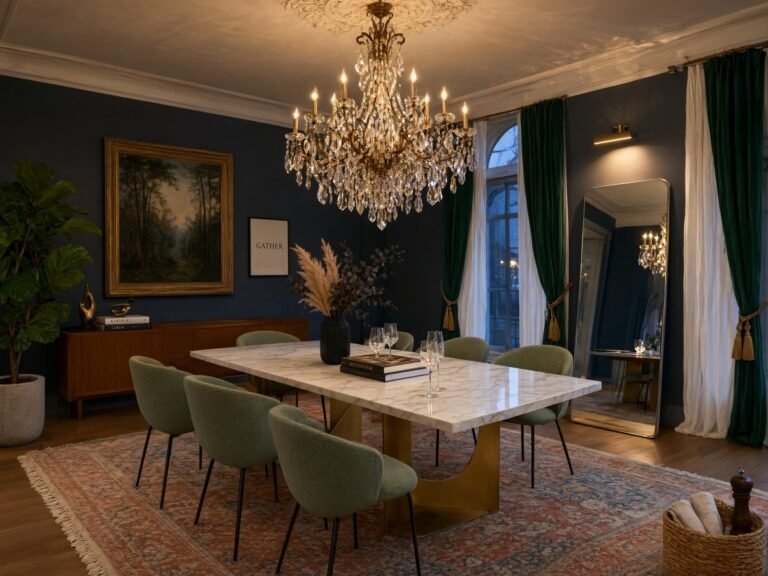
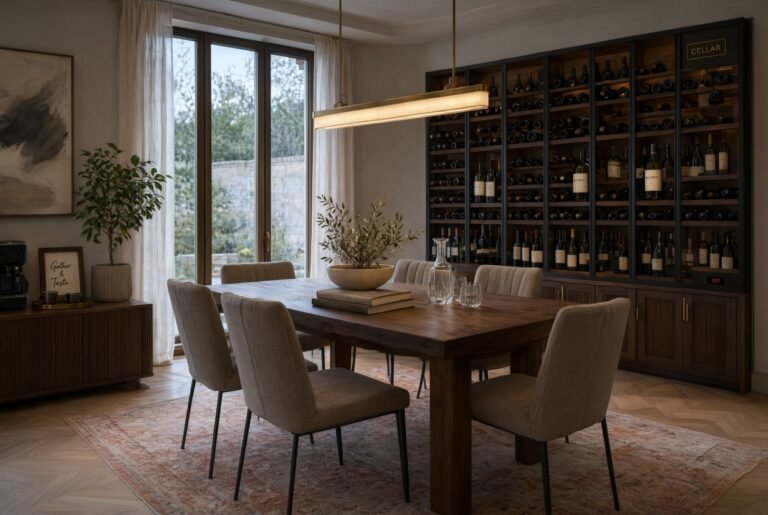
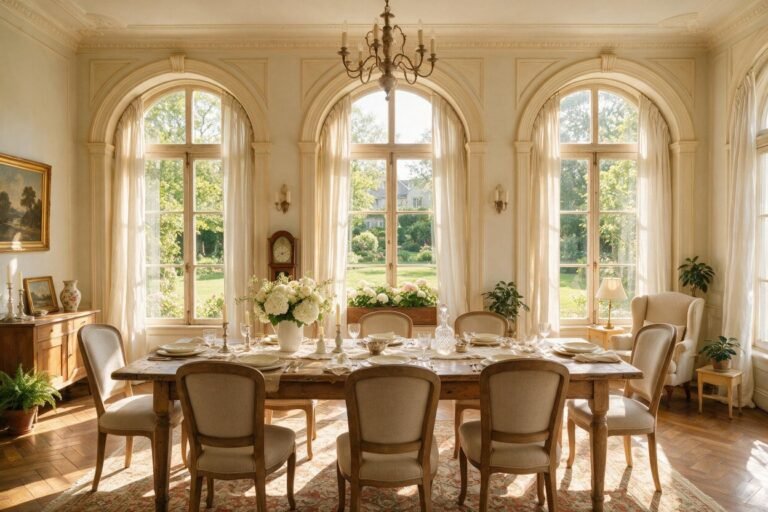
A vintage-style Persian rug brings timeless elegance and rich color to a traditional dining room. The intricate patterns and deep jewel tones add sophistication, making this combination ideal for formal dining spaces meant for hosting dinner parties or holiday gatherings.
These rugs also hide wear beautifully thanks to their busy patterns, making them practical for dining areas prone to spills and crumbs. Layering a Persian rug with dark wood furniture and warm lighting creates a cohesive, classic aesthetic that never feels dated.
4. Round Rug Under a Round Dining Table
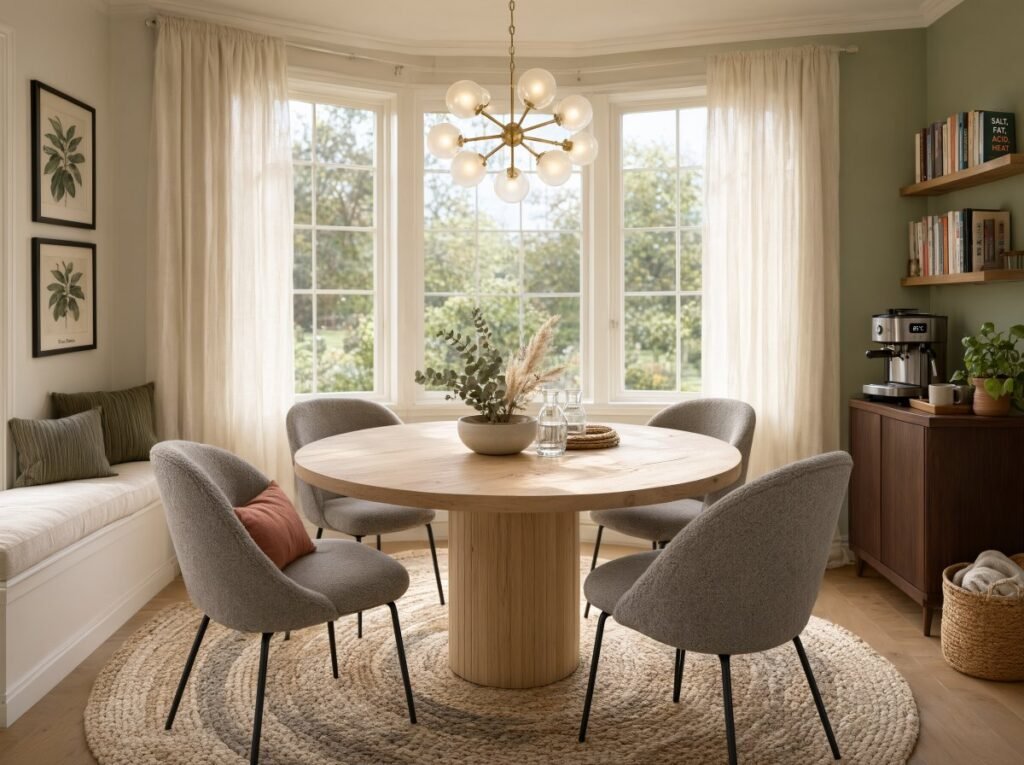
Pairing a round rug with a round dining table creates a cohesive, intentional look that echoes the table’s shape rather than clashing against a rectangular rug. This styling choice is especially popular for smaller breakfast nooks or round-table dining spaces.
The repeated circular shapes create visual harmony, making the room feel more thoughtfully designed. This combination works well for readers wanting to avoid the common mismatch of a round table sitting awkwardly on a rectangular rug, ensuring a polished, coordinated finish.
5. Striped Rug for a Coastal Dining Room
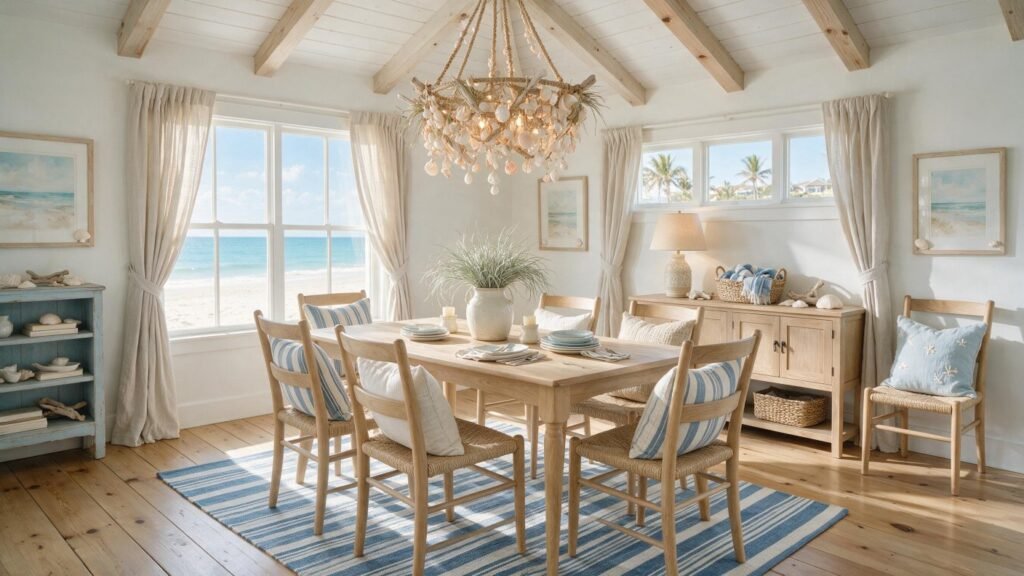
A blue and white striped rug creates a fresh, coastal-inspired foundation for a dining room. The classic nautical pattern adds visual interest without overwhelming the space, pairing naturally with light wood furniture and airy, sunlit interiors near the coast.
This rug style is especially popular for beach house or lake house dining rooms, where a relaxed, breezy aesthetic is the priority. The stripes also help elongate smaller dining spaces, making the room feel larger and more open than it actually is.
6. Layered Rugs for Textural Depth
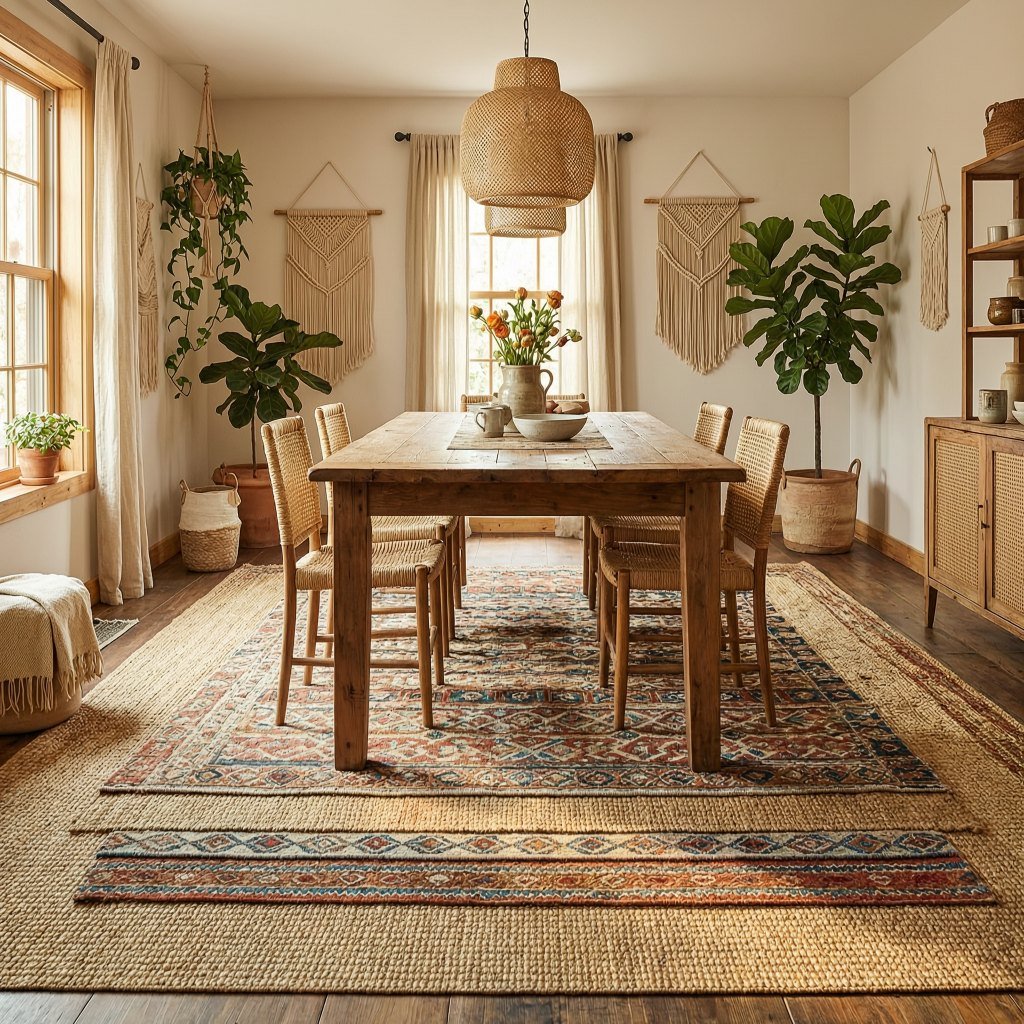
Layering a smaller patterned rug over a larger jute or sisal base rug creates textural depth and visual interest in a dining room. This trending technique allows readers to combine two favorite rug styles without having to choose just one for the space.
The layered approach works particularly well in bohemian or eclectic dining rooms, where mixing textures and patterns is part of the overall design philosophy. It also adds practical cushioning underfoot while making the room feel more collected and personally curated.
7. Solid Neutral Rug for a Minimalist Space
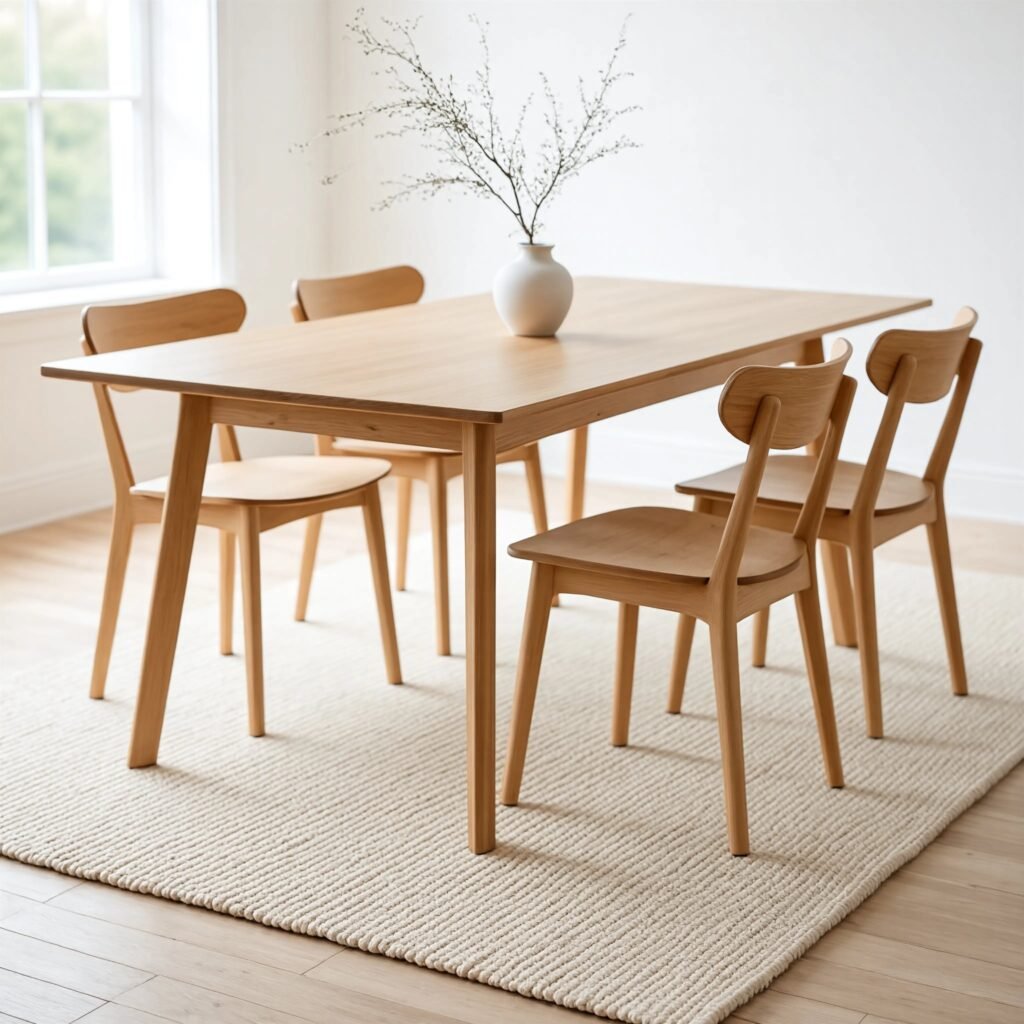
A solid neutral rug in cream, beige, or light grey creates a clean, minimalist foundation that lets other design elements shine. This understated choice is ideal for Scandinavian-inspired dining rooms where simplicity and functionality take priority over bold statements.
The solid color also provides flexibility for readers who like to change decor seasonally, since a neutral rug pairs easily with any table linens, centerpieces, or accent colors introduced throughout the year without ever feeling mismatched.
8. Dark Rug to Anchor a Light Dining Room
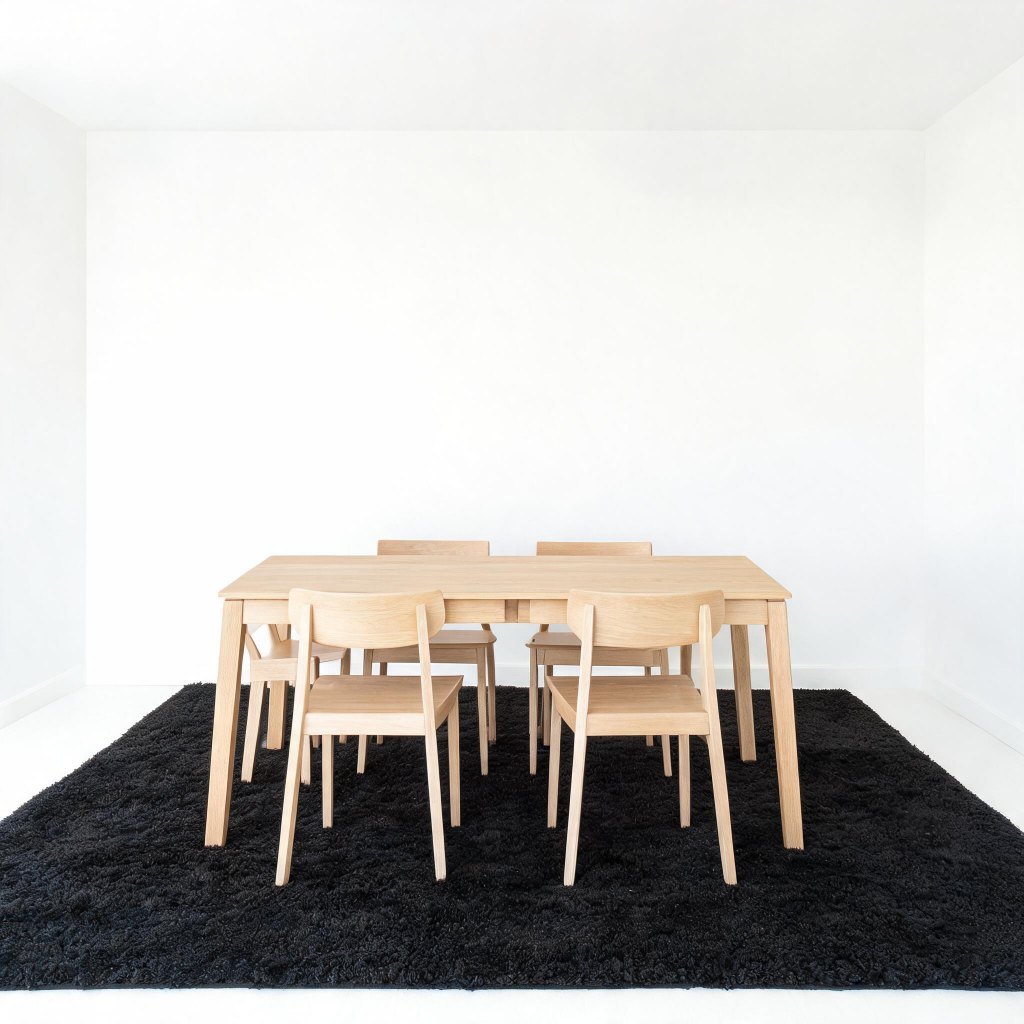
A dark charcoal or navy rug creates striking contrast in an otherwise light, airy dining room. This grounding effect anchors the furniture visually, preventing an all-white or light-toned space from feeling too washed out or lacking definition.
This combination is especially effective for readers with white walls and light wood furniture who want to add depth without a major renovation. The dark rug also practically hides stains better than lighter options, making it a smart choice for busy dining spaces.
9. Floral Rug for a Romantic Dining Room
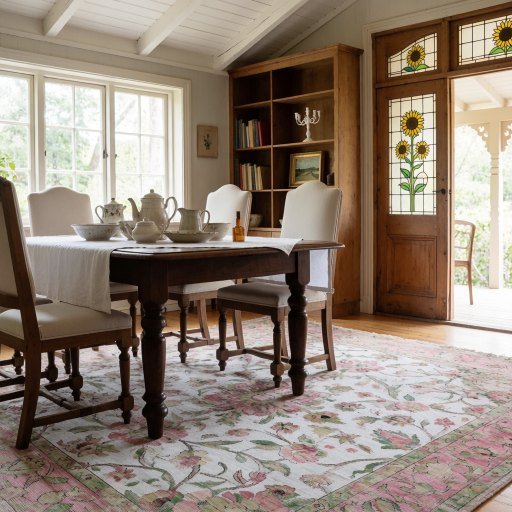
A floral patterned rug brings romantic, vintage-inspired charm to a dining room, especially when paired with antique or heirloom furniture pieces. The soft botanical print adds femininity and warmth, making the space feel inviting for intimate dinners or Sunday brunches.
This rug style pairs beautifully with vintage china displays and soft, layered table linens. Readers drawn to cottagecore or grandmillennial design aesthetics often gravitate toward floral rugs as a foundational piece that ties the entire romantic color palette together.
10. Diamond Pattern Rug for Visual Movement
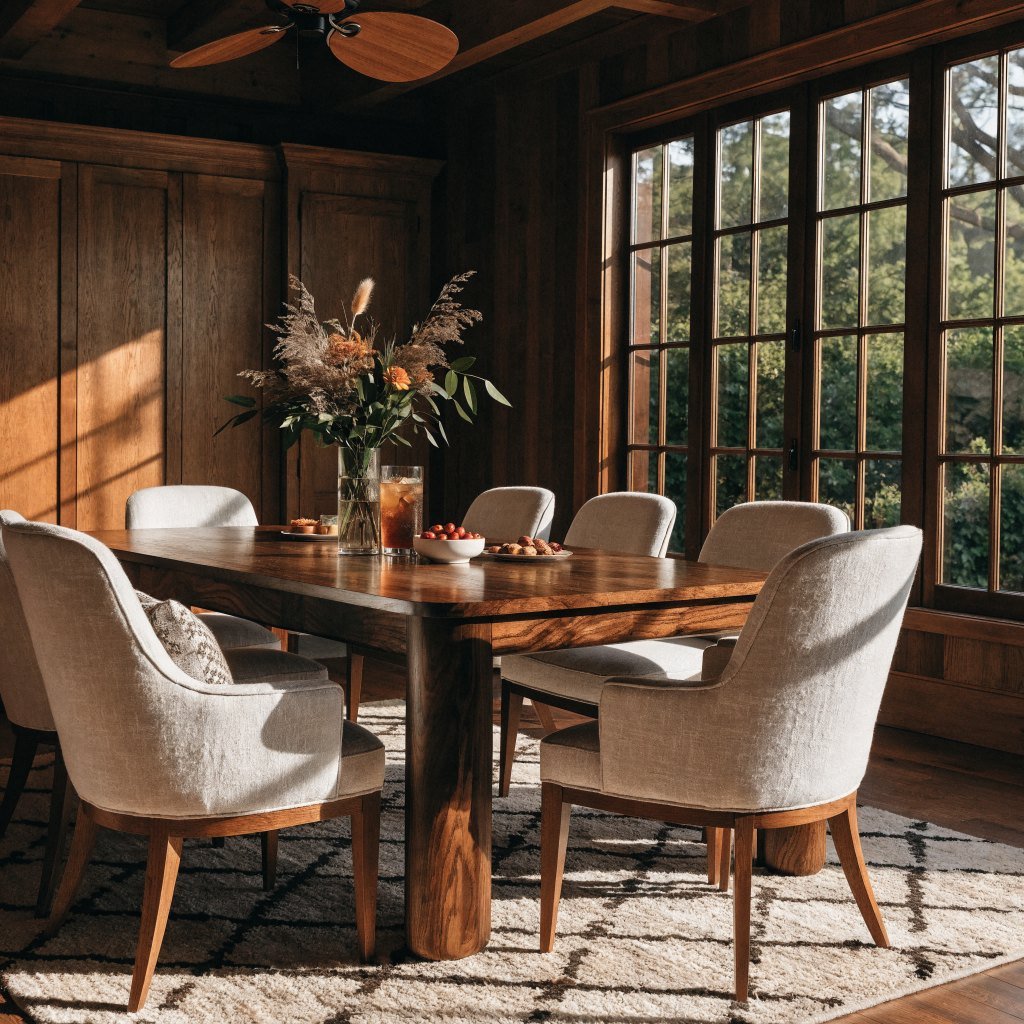
A diamond or trellis pattern rug adds subtle visual movement to a dining room without the boldness of a full geometric statement piece. The repeating shapes create gentle rhythm underfoot, complementing both traditional and contemporary furniture styles.
This versatile pattern works well for readers wanting something more interesting than a solid rug but less dramatic than a bold graphic print. The diamond motif also tends to hide crumbs and minor spills effectively, making it practical for everyday family dining.
11. Oversized Rug for a Spacious Dining Room
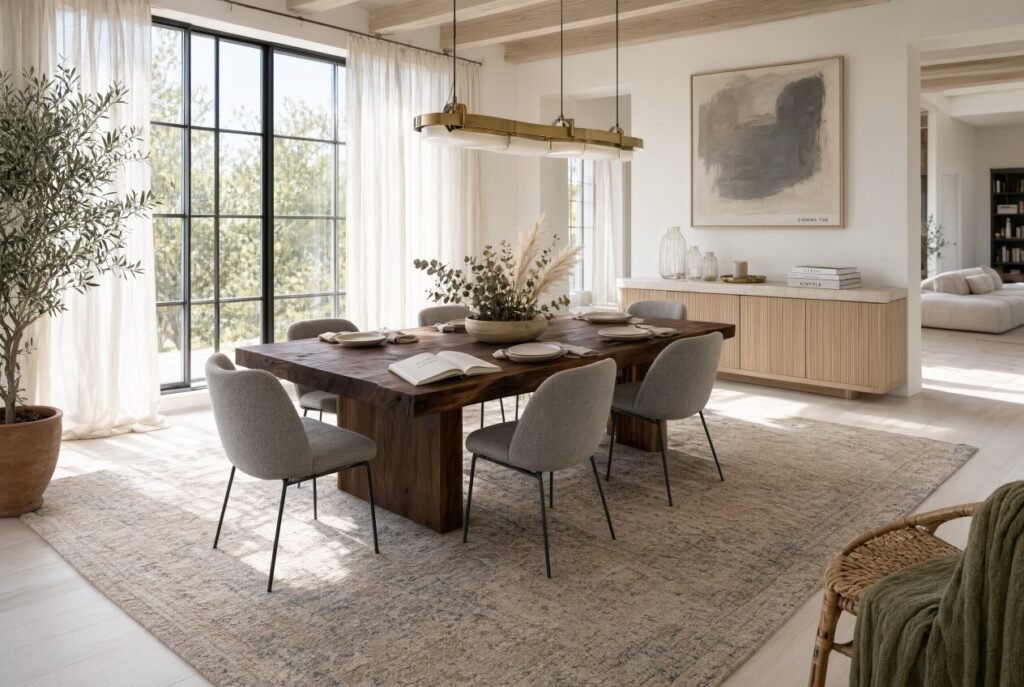
Choosing an oversized rug that extends well beyond the dining table and chairs creates a luxurious, spacious feel in open-concept dining areas. This sizing ensures chairs remain fully on the rug even when pulled out, preventing the common mistake of an undersized rug.
This approach is especially important for readers with larger dining rooms, since a rug that’s too small can make the entire space feel disjointed. An oversized rug visually defines the dining zone while maintaining an open, airy connection to adjacent living spaces.
12. Chevron Rug for a Dynamic Look
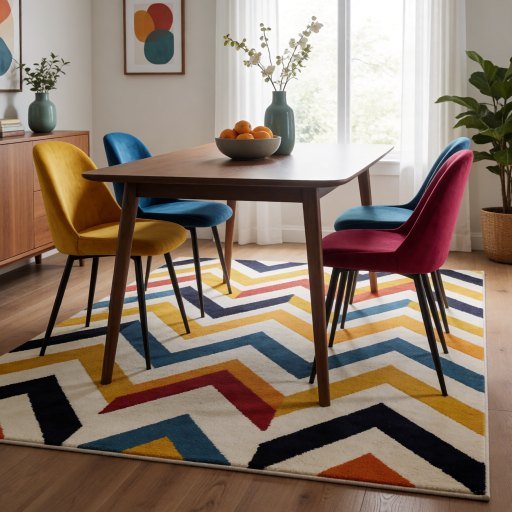
A chevron patterned rug introduces dynamic zigzag movement to a dining room, pairing especially well with colorful accent chairs or eclectic furniture mixes. The bold pattern adds personality and energy, making the space feel current and visually engaging.
This rug style is a favorite among readers who enjoy maximalist or eclectic design, since it provides a strong pattern base that other bold elements can build upon. The chevron’s directional lines also help create a sense of movement throughout the dining space.
13. Wool Rug for Warmth and Durability
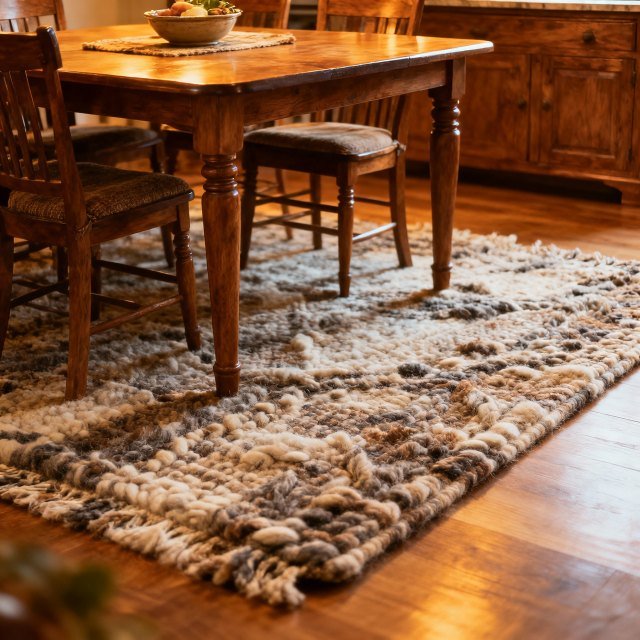
A textured wool rug offers both warmth and exceptional durability, making it a practical yet stylish choice for dining rooms with heavy foot traffic. The natural fiber’s softness underfoot adds comfort, while its resilience handles spills and daily wear gracefully.
This combination works well for readers in colder climates seeking a cozy, tactile addition to their dining space. Wool’s natural stain resistance and easy maintenance make it especially appealing for family dining rooms where messes are inevitable.
14. Black and White Rug for Timeless Contrast
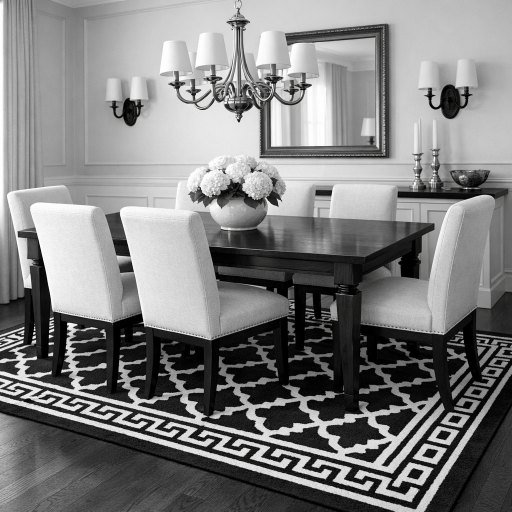
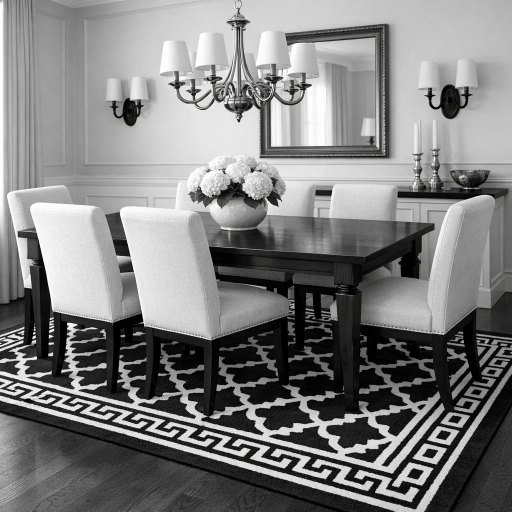
A black and white patterned rug creates timeless, high-contrast style that works across nearly any dining room aesthetic. The classic color combination pairs effortlessly with both traditional and contemporary furniture, offering versatility that won’t feel dated as trends shift.
This rug choice is especially popular among readers who prefer a more monochromatic design approach, since it provides pattern interest without introducing additional colors to coordinate. It also photographs beautifully, making it a favorite for design-focused Pinterest boards.
15. Textured Sisal Rug for Natural Elegance
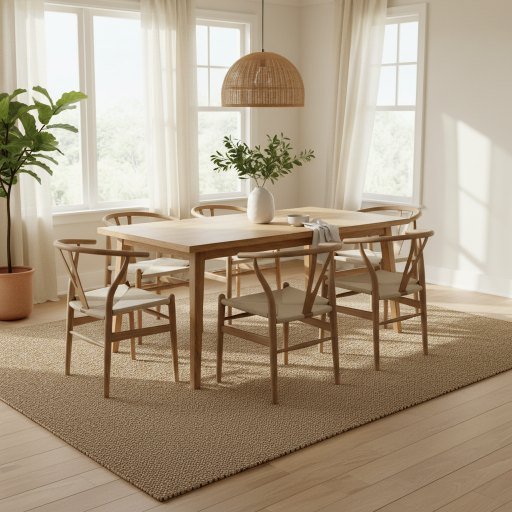
A woven sisal rug brings natural, understated elegance to a dining room while offering excellent durability for everyday use. The fiber’s subtle texture adds visual interest without introducing bold color or pattern, making it a versatile choice for nearly any design style.
Sisal’s natural, earthy tone complements both light and dark wood furniture equally well. This combination is especially popular among readers seeking an organic, grounded foundation for their dining space that feels sophisticated yet unpretentious for everyday family meals.