16 Easy Ways to Arrange Living Room Furniture
Intro
Arranging living room furniture effectively transforms any space into a welcoming functional haven. Discover sixteen easy furniture layout ideas that maximize flow comfort and style in every living room. Whether you have a spacious family area or a compact apartment lounge these simple arrangements enhance daily living. Follow proven designer tips to create inviting conversation zones that reflect your personality beautifully and work seamlessly with your lifestyle.
1. Float the Sofa Away from Walls
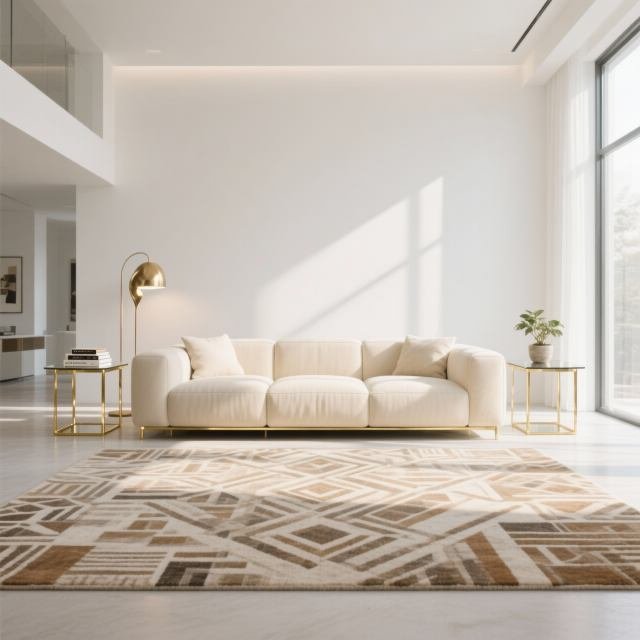
Floating your sofa away from the wall creates an open airy feel that instantly modernizes the living room. This layout establishes a clear center point while allowing natural traffic flow to move freely around the seating area. The technique works beautifully in open plan spaces where you can define the living zone without enclosing it visually.
Position the sofa with its back toward the kitchen or dining area to subtly separate zones. Leave about twelve to eighteen inches of space behind for easy access and to walk around. This arrangement opens up floor space making the living room feel significantly larger and more inviting.
2. Create a Conversation Circle
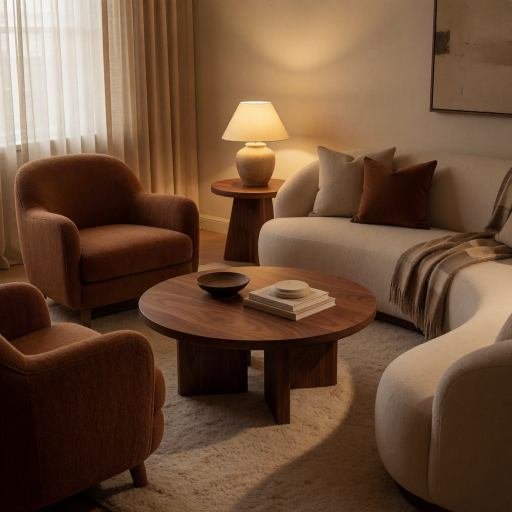
A conversation circle encourages natural interaction and makes the living room feel intentionally designed. Arrange seating to face inward with chairs or sofas positioned at gentle angles rather than all facing one focal point. This layout removes the rigidity of formal arrangements and invites relaxed storytelling among family and guests.
Keep the distance between seats close enough that conversation does not require shouting. A round coffee table in the center provides a convenient surface for drinks and books. This arrangement works especially well in rooms with non traditional shapes where rectangular setups feel awkward.
3. Anchor With a Large Area Rug
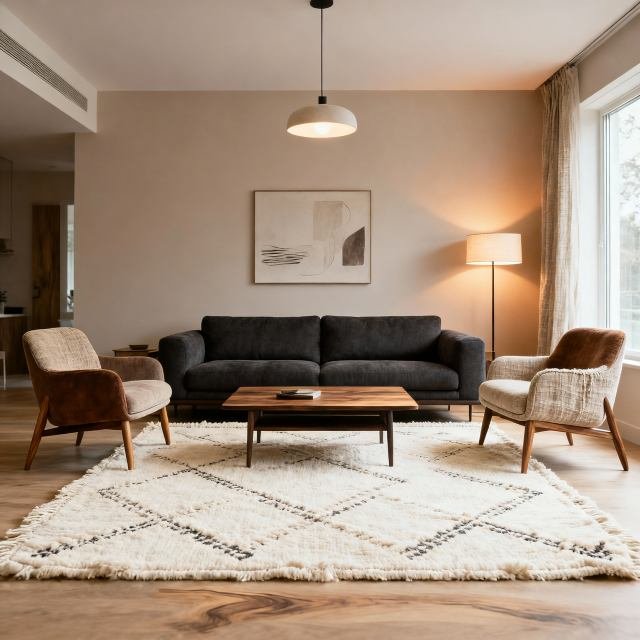
A large area rug serves as the visual foundation that anchors your entire furniture arrangement. Position all front legs of your seating pieces on the rug to create a cohesive grouping. The rug should be large enough for at least the coffee table and the front legs of sofas and chairs to sit comfortably within its borders.
Choose a rug in neutral tones to allow flexibility with future decor changes. A properly sized rug defines the conversation area even in open plan living rooms. Textured rugs in wool or jute add warmth and tactile appeal that elevates the room from ordinary to thoughtfully curated.
4. Position TV Opposite the Main Seating
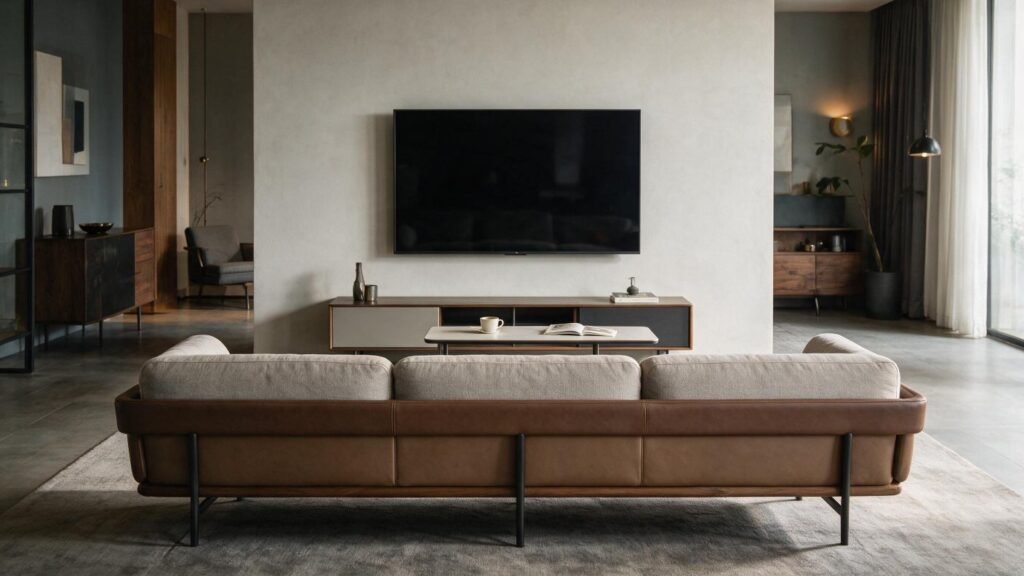
Placing the television directly opposite the main seating ensures comfortable viewing without straining necks or eyes. Mount the TV at eye level when seated and keep the viewing distance about eight to ten feet for a standard screen size. A low media console beneath the TV keeps cables hidden while providing storage for electronics and media accessories.
Angle the sofa slightly toward the TV rather than placing everything in rigid parallel lines. This creates a relaxed atmosphere while maintaining perfect sightlines. Avoid placing the TV near windows or bright lights that could cause screen glare during viewing sessions.
5. Use an L Shaped Sectional for Open Plan Spaces
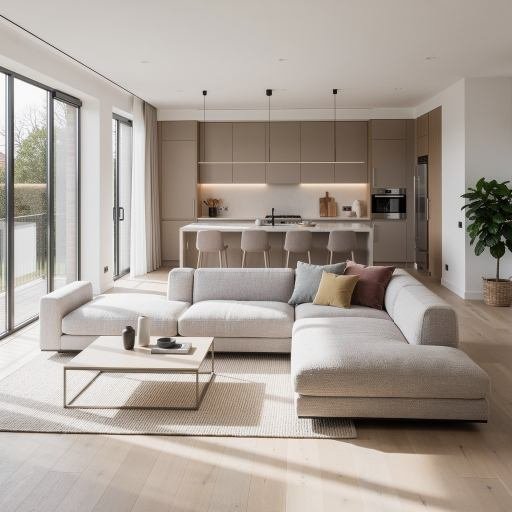
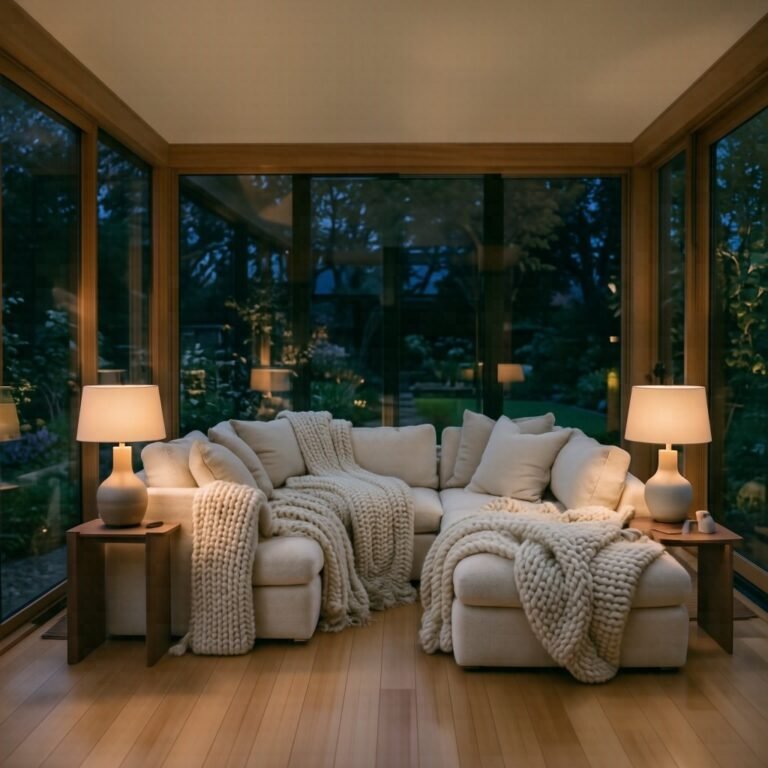
L shaped sectionals excel in open plan living rooms by creating an implicit room boundary without building walls. Position the chaise portion toward the center of the room to define the living area while leaving the back as a subtle divider. This layout maximizes seating while maintaining an airy feeling throughout the open space.
Choose a sectional with removable cushions for easy cleaning and rearrangement. Pair with a rectangular coffee table that tucks neatly into the L shape to preserve traffic flow. This arrangement offers abundant seating for family gatherings while keeping the open plan layout feeling organized.
6. Place Accent Chairs At Angles
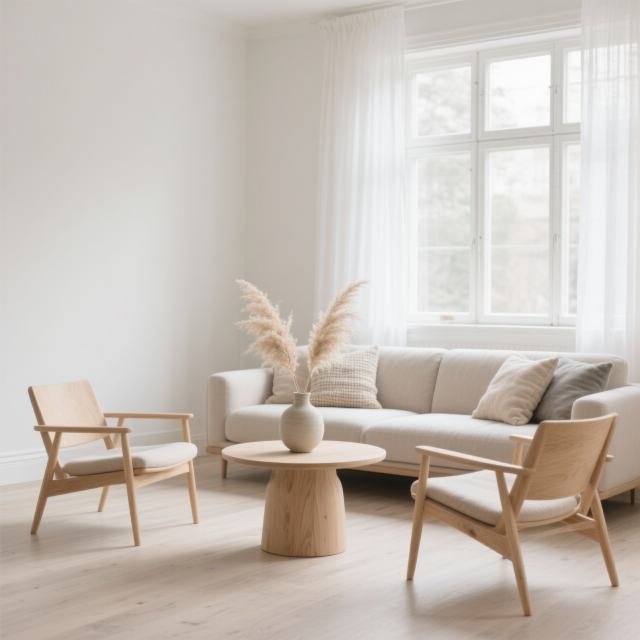
Angling accent chairs creates dynamic energy and breaks up the stiffness of rectangular furniture layouts. Position chairs at a forty five degree angle facing the sofa to form an inviting triangle that encourages conversation. This technique works in both large and small living rooms where parallel arrangements feel too formal or cramped.
Choose chairs with interesting shapes or upholstery to make them focal points. The angled placement also adds visual movement that draws the eye through the room. Keep the angle gentle enough that the arrangement still feels cohesive rather than chaotic or disconnected.
7. Keep Traffic Flow Clear
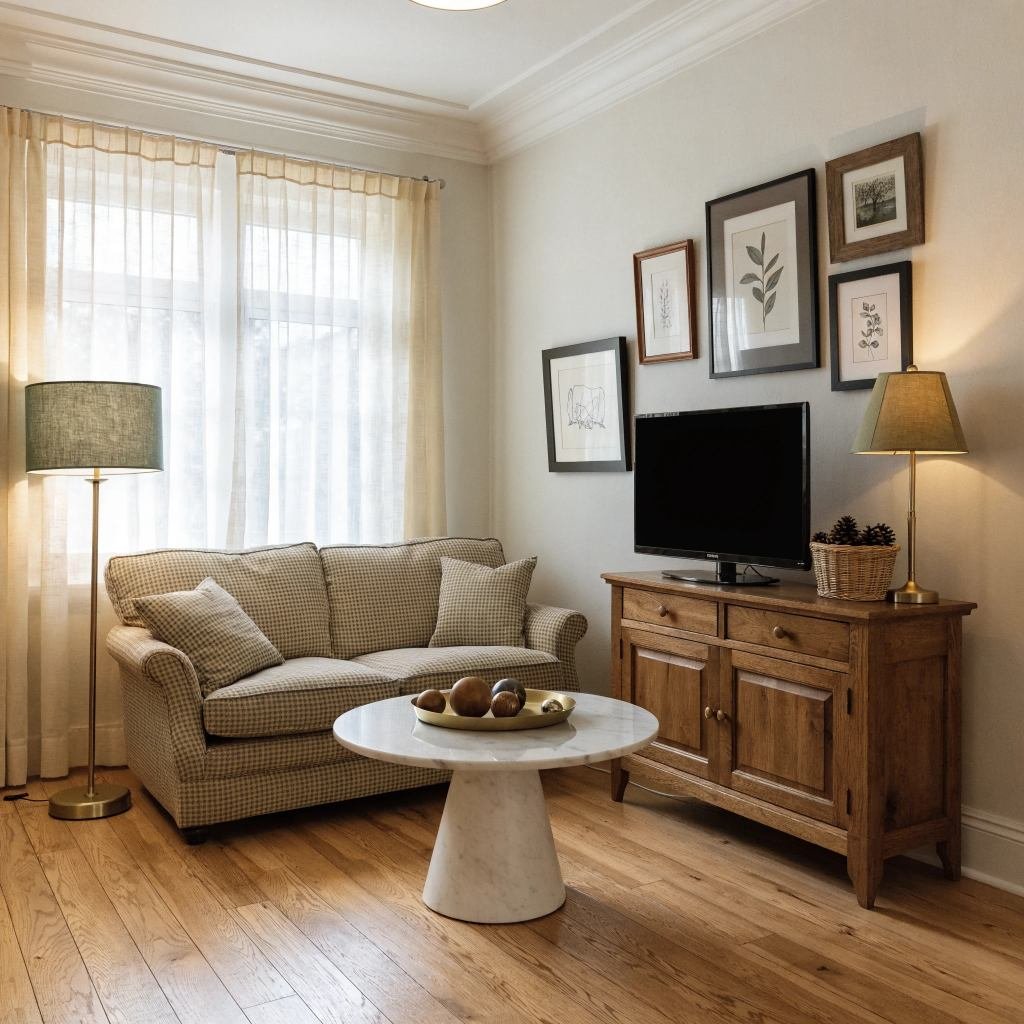
Maintaining clear traffic flow is essential for both comfort and safety in any living room arrangement. Identify the natural pathways people use to enter exit and move through the room then keep those routes unobstructed. At least thirty inches of width is recommended for major walkways while secondary paths need about eighteen inches.
Arrange furniture so that people do not have to squeeze past chairs or navigate around coffee tables unnecessarily. Floating furniture away from walls helps create perimeter walkways. This thoughtful planning ensures the living room functions smoothly for daily use and during gatherings.
8. Layer Small Tables For Function
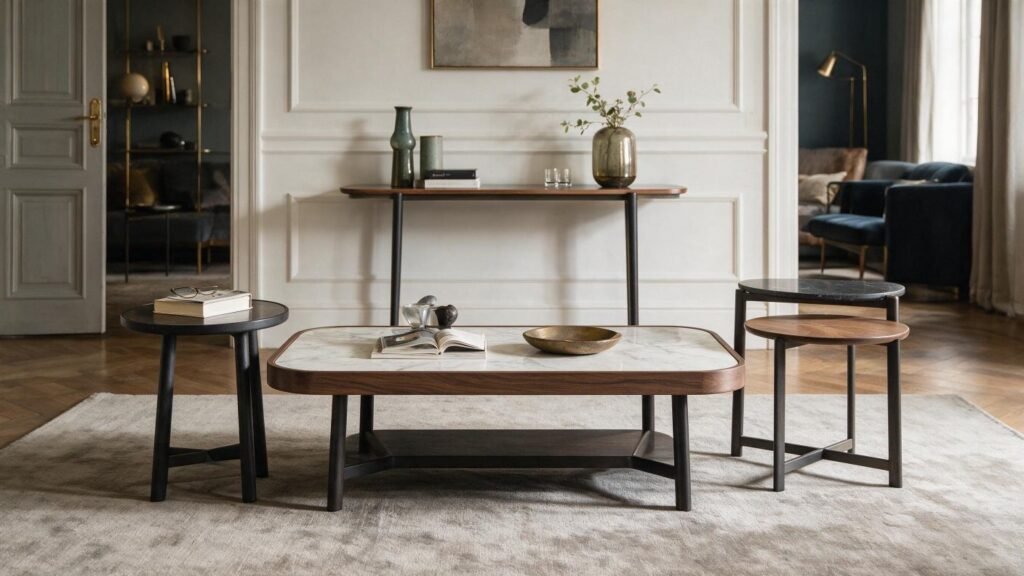
Layering tables of varying heights adds visual interest and practical surfaces throughout the living room. Position a coffee table within easy reach of the sofa and place side tables at both ends. Introduce a nesting table set that can expand when needed or tuck away when not in use to save space.
Mix materials like wood glass and metal to create a curated eclectic look. Different table heights prevent the arrangement from feeling flat or repetitive. This layering strategy provides spots for drinks lamps books and decor while maintaining a sophisticated multi dimensional appearance.
9. Create a Reading Nook
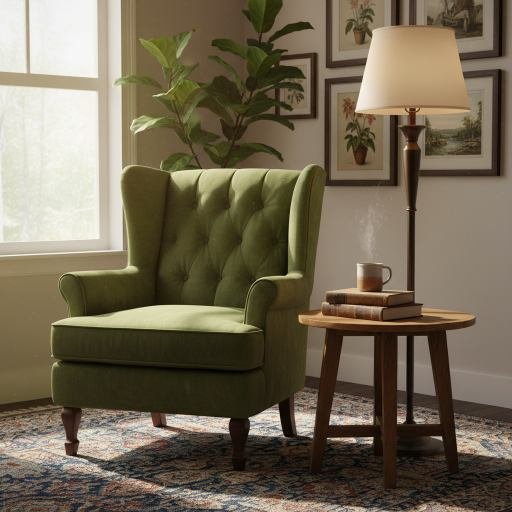
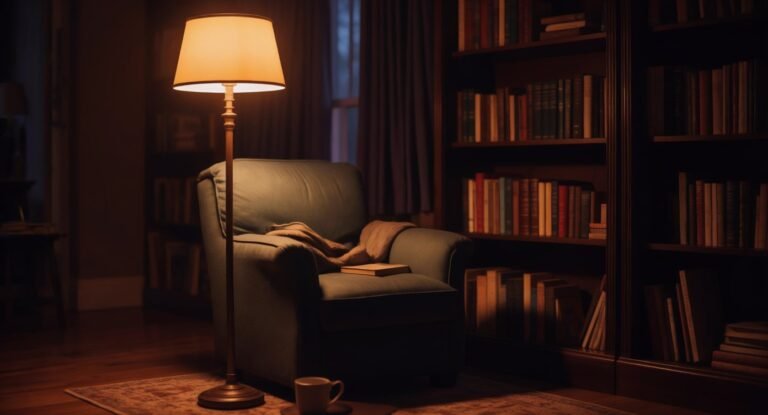
A dedicated reading nook transforms an unused corner into one of the most loved spots in the living room. Position a comfortable armchair near a window for natural light and add a tall floor lamp for evening reading. Include a small side table for books tea or glasses and a soft throw blanket draped over the chair.
This arrangement shows how a simple corner can become a functional retreat. The nook adds visual interest to the room while providing a peaceful space for relaxation. Choose a chair with supportive cushioning for long reading sessions and enjoy the cozy atmosphere.
10. Use Furniture With Rounded Edges
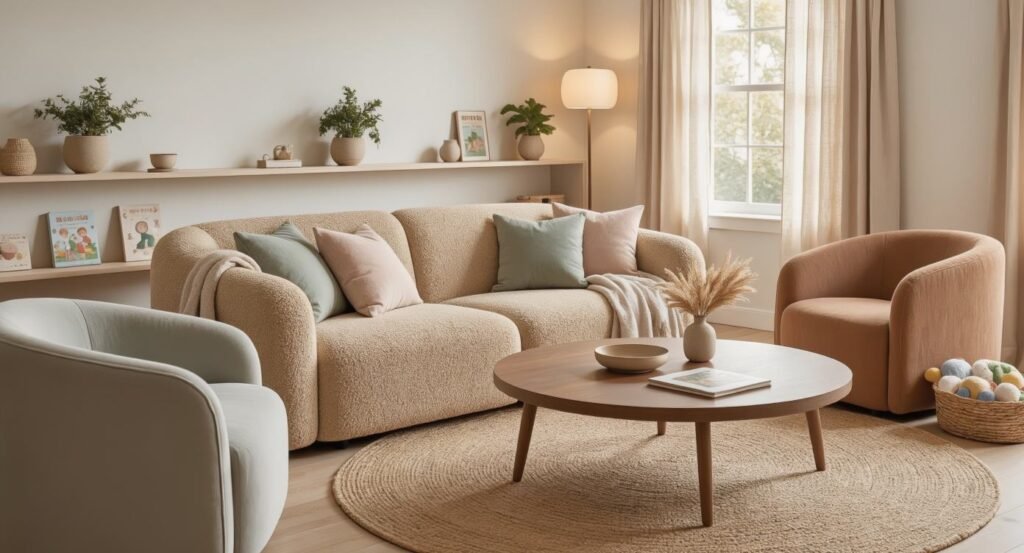
Rounded furniture edges soften the overall appearance of the living room and make it safer for households with young children or pets. Curved sofas round coffee tables and circular side tables eliminate sharp corners that could cause bumps or injuries. The organic shapes also create a more relaxed and inviting atmosphere compared to boxy rectangular pieces.
Rounded furniture naturally encourages circular conversation patterns that feel less formal. These pieces often become the focal point of the room due to their unique silhouettes. The gentle curves work well in both modern and traditional interiors adding timeless appeal.
11. Align Furniture With Architectural Features
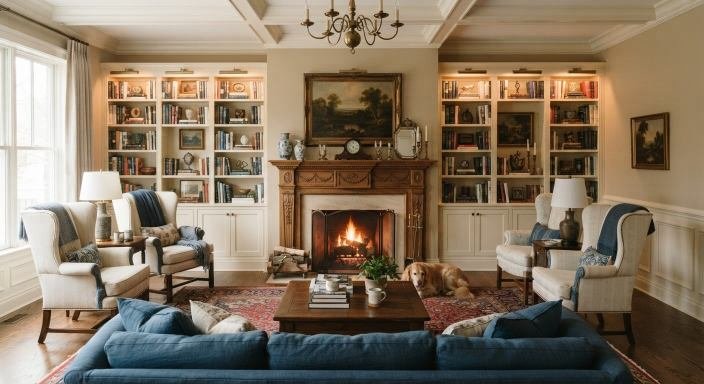
Aligning furniture with architectural features like fireplaces bay windows or built in shelving creates a polished intentional look. Position the sofa parallel to the fireplace or under a large window to highlight these permanent design elements. This alignment creates natural focal points that anchor the entire room arrangement.
Symmetrical arrangements around a fireplace feel balanced and elegant for traditional spaces. For modern rooms you can align furniture with ceiling beams or accent walls. Using architecture as a guide ensures the furniture arrangement feels integrated with the room itself rather than randomly placed.
12. Separate Zones With Furniture
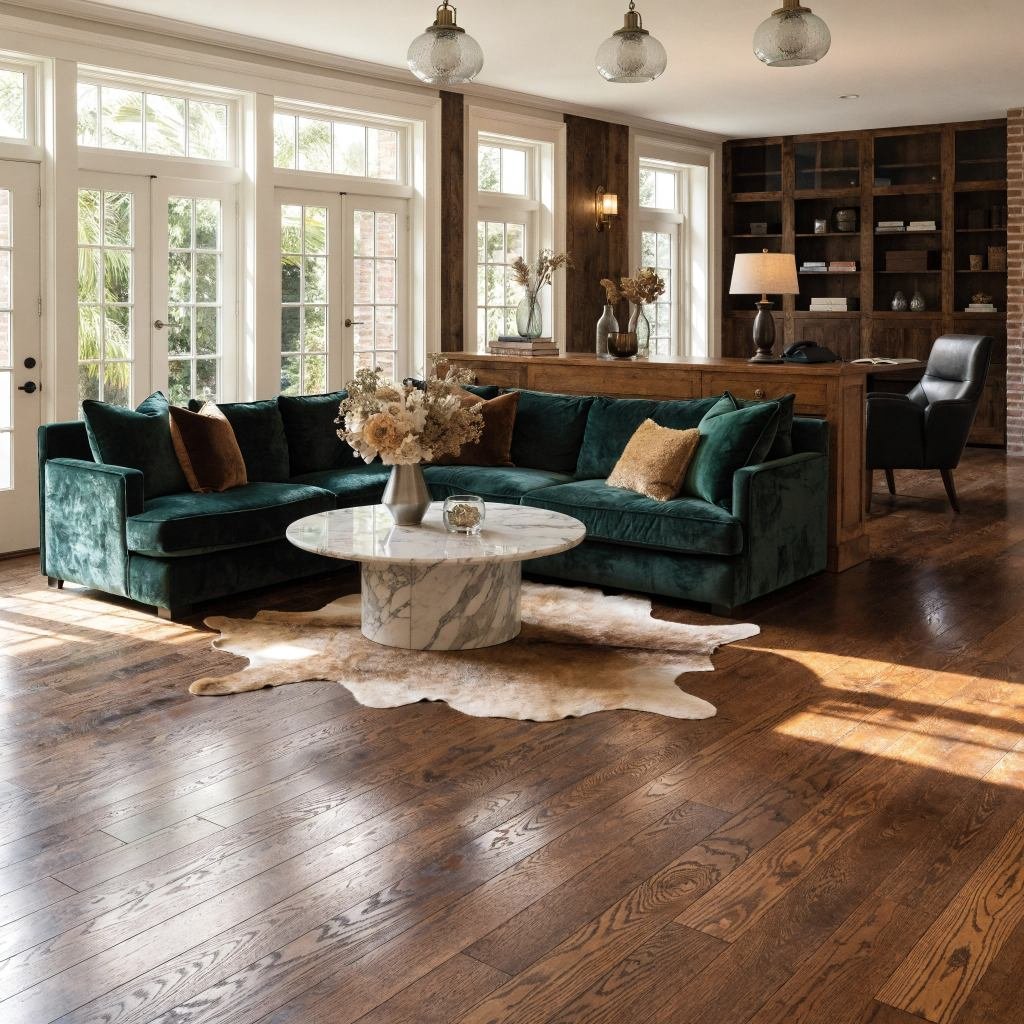
In open plan spaces use furniture to visually separate different functional zones without building walls. Place the back of a sofa toward the dining area or a console table behind it creates a natural divider. This arrangement maintains the openness of the plan while giving each area its own defined identity.
A slim console table behind the sofa works as a divider and provides a surface for lamps or decor. Bookshelves can also serve as partial room dividers that allow light to pass through. This zoning technique keeps the open concept intact while bringing order to multi purpose spaces.
13. Balance Seating On Both Sides
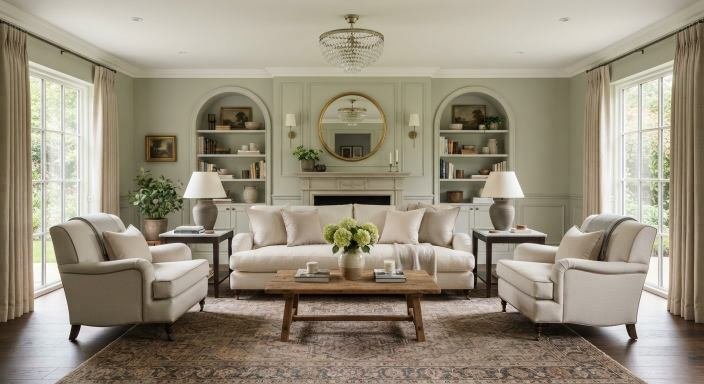
Balancing seating on opposite sides of the room creates visual equilibrium that feels professionally designed. Place a sofa in the center with similar chairs or side tables on each side to achieve symmetry. This arrangement works well in formal living rooms where a balanced appearance is desired.
Even in casual spaces maintaining some balance prevents one side from feeling heavier or neglected. You can mix different chairs as long as they are visually similar in height and scale. This balanced approach creates a sense of order and intentionality that immediately elevates the room.
14. Keep the Focal Point Clear
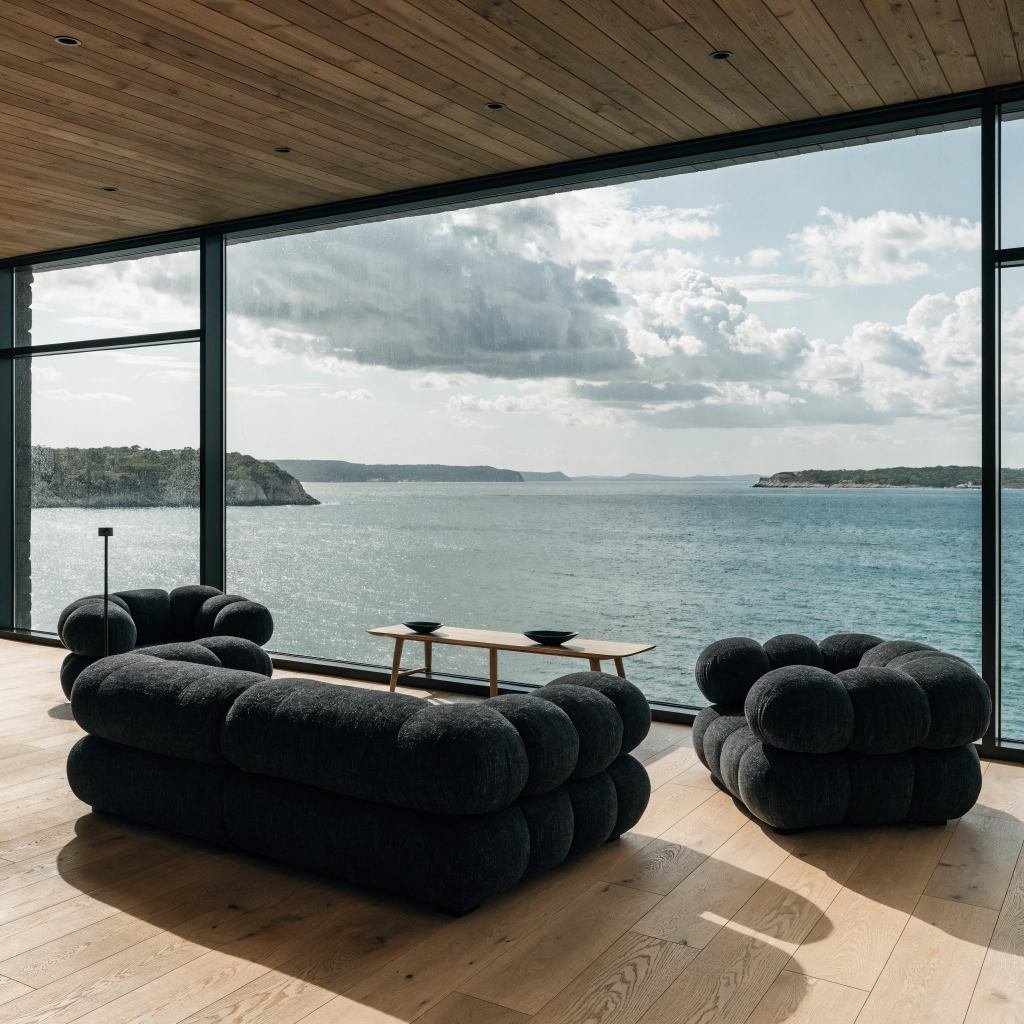
Identify the natural focal point of your living room and arrange furniture to highlight it. This could be a fireplace a television a large window with a view or even a piece of art. Position the main sofa facing the focal point with secondary seating angled toward it. Keeping the sightline clear ensures the focal point remains the star of the arrangement.
Avoid placing tall furniture or large decor pieces directly in front of the focal point. Arrange seating so everyone has a clear view whether the focal point is for entertainment or appreciation of architecture. This intentional arrangement gives the living room purpose and direction.
15. Use Slim Profile Furniture For Small Rooms
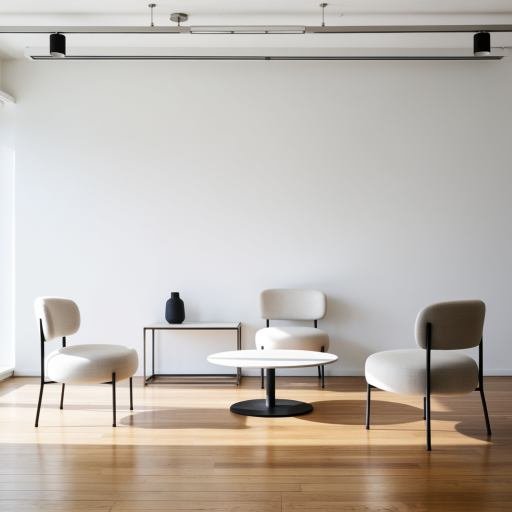
In smaller living rooms choose furniture with slim profiles and visible legs to maintain an airy feeling. Furniture raised off the floor on slender legs allows light to pass underneath making the room feel more spacious. Avoid bulky pieces that consume floor area and block sightlines which can make compact rooms feel cramped.
Select armless or low armed sofas and chairs to save valuable inches of space. A narrow console table instead of a wide coffee table keeps the center of the room open. These choices create breathing room that visually expands the living area while providing all necessary function.
16. Rearrange Seasonally For Fresh Energy
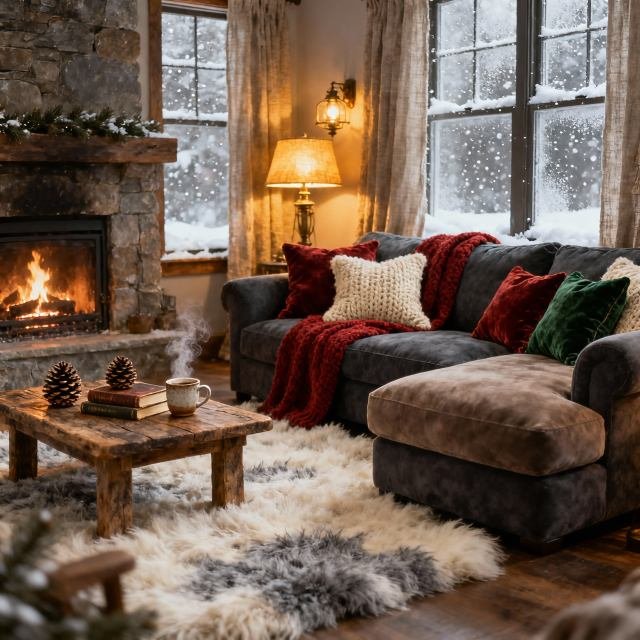
Rearranging living room furniture seasonally refreshes the space and adapts to changing needs throughout the year. In winter pull seating closer to the fireplace or heating source for warmth and coziness. Summer arrangements can move furniture away from heat sources and toward windows for better airflow and natural light.
Seasonal rearranging also gives you the opportunity to deep clean behind and under furniture. Even minor adjustments like angling a chair differently or swapping the coffee table position can make the room feel entirely new. This practice keeps your living space dynamic and aligned with the rhythm of each season.
Conclusion
Arranging living room furniture does not require professional help or expensive renovations. These sixteen easy strategies empower anyone to create a functional beautiful living room that fits their lifestyle perfectly. Start with one or two ideas that resonate most with your space and gradually incorporate others. Your living room will soon become the welcoming hub your home deserves.