16 Small Living Room Ideas on a Budget That Work
Introduction
Decorating a small living room on a budget doesn’t mean sacrificing style or comfort. With a little creativity, smart furniture choices, and a few clever design tricks, even the tightest spaces can feel open, cozy, and put-together — all without breaking the bank. Whether you’re furnishing your first apartment or refreshing a cramped family room, these 16 budget-friendly small living room ideas will help you make the most of every square foot while keeping your wallet happy.
1. Use Multi-Functional Furniture
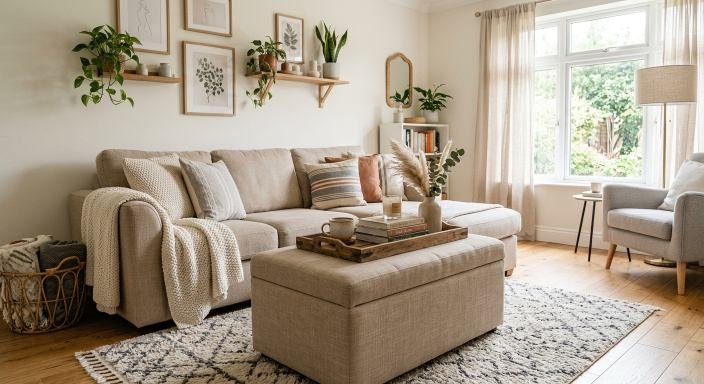
Multi-functional furniture is a budget-saver’s best friend in small living rooms. Ottomans with hidden storage, coffee tables with drawers, and sofa beds all serve double duty without cluttering your space. Choosing pieces that do more than one job means fewer purchases and more usable floor space overall.
Look for nesting tables that tuck away when not needed, or benches that double as extra seating and storage. This approach keeps your room functional for everyday living while avoiding the cramped feeling that comes from too much single-purpose furniture crowding a small footprint.
2. Choose Light, Neutral Wall Colors
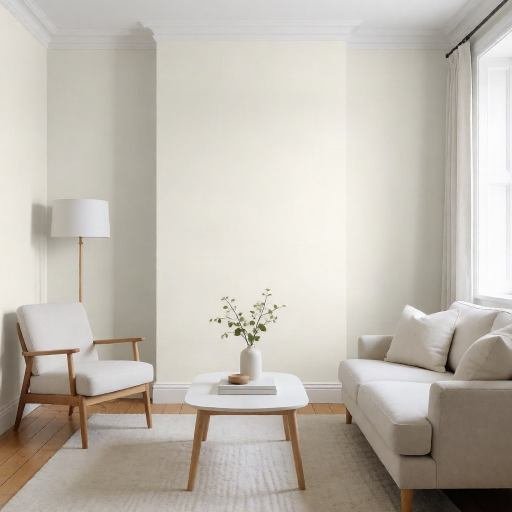
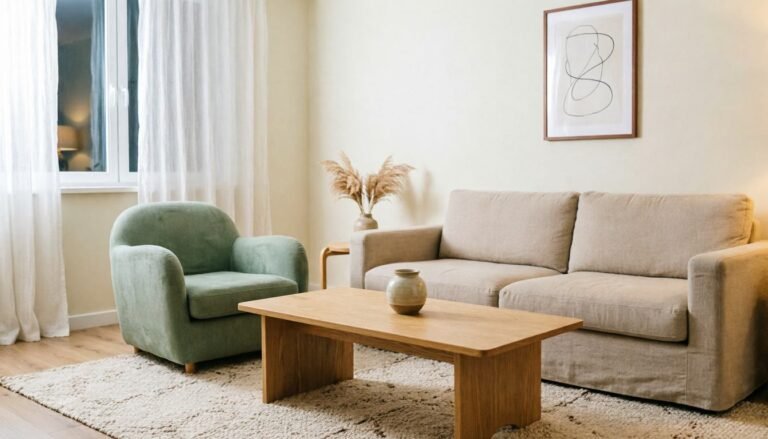
Light, neutral wall colors instantly make a small living room feel larger and brighter. Shades like soft white, warm beige, and pale gray reflect natural light and open up tight spaces visually. A fresh coat of budget-friendly paint is one of the cheapest, most effective small-space upgrades available.
Avoid dark, heavy colors that can make walls feel like they’re closing in on limited square footage. If you crave color, add it through affordable accessories like pillows or artwork instead. This keeps your base neutral while still allowing personality and warmth to shine through.
3. Hang Mirrors to Create the Illusion of Space
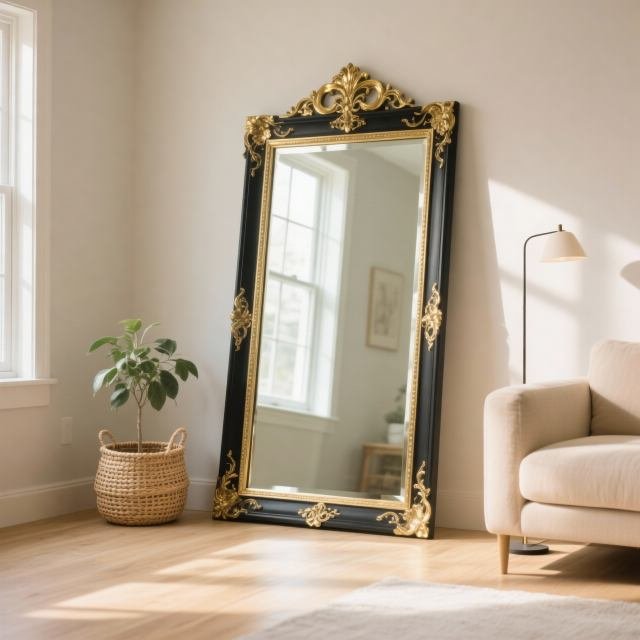
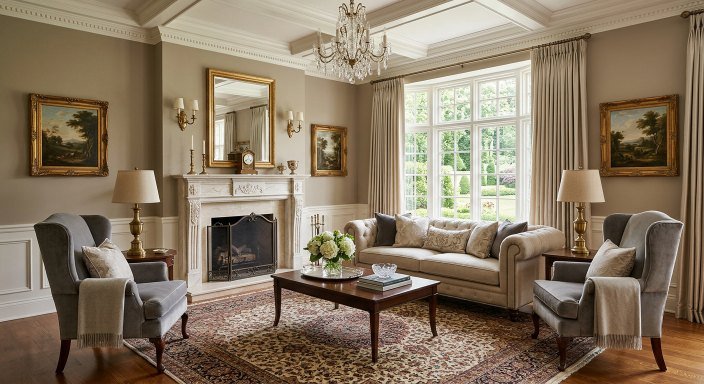
Mirrors are a classic budget trick for making small living rooms feel significantly larger. Placing a large mirror opposite a window reflects natural light throughout the room, instantly brightening dark corners. Thrifted or discount-store mirrors work just as well as expensive designer versions for this effect.
Try a gallery of smaller mirrors if you can’t find one large statement piece within budget. Grouping different shapes and frames adds visual interest while still multiplying light. This affordable trick transforms a cramped living room into a space that feels open and airy.
4. Opt for Slim, Space-Saving Furniture
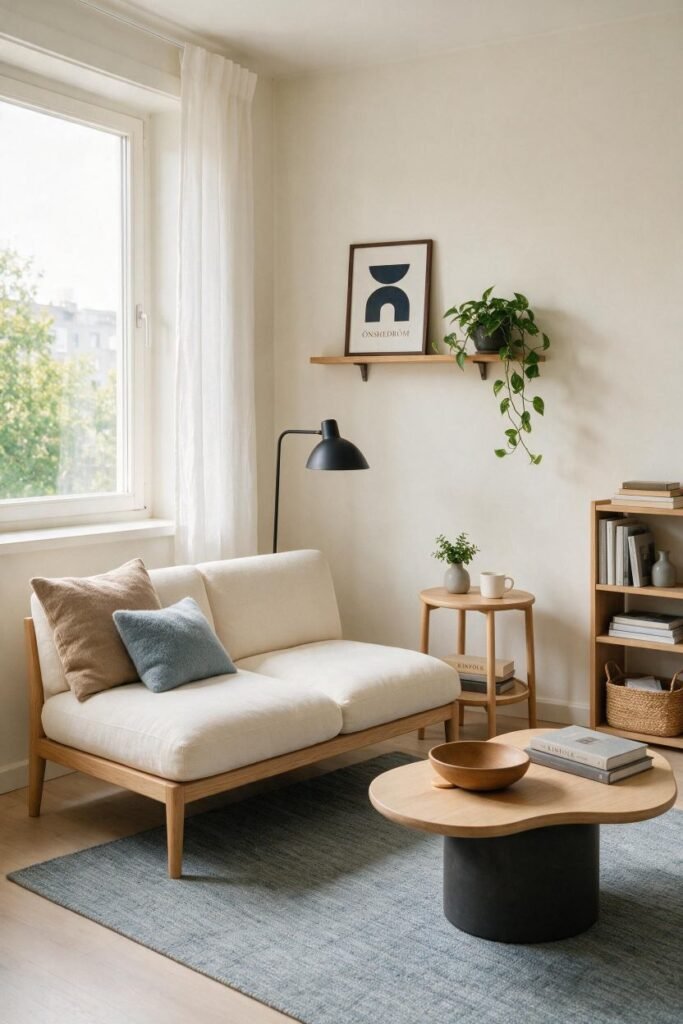
Bulky furniture overwhelms small living rooms fast, so choose slim, space-saving pieces instead. Armless sofas, narrow console tables, and low-profile chairs take up less visual and physical space while still offering comfort. Budget retailers often carry compact furniture lines designed specifically for smaller apartments and homes.
Measure your room carefully and prioritize furniture with exposed legs, since this creates an airy feel by showing more floor space underneath. Skinny profiles don’t mean sacrificing comfort — many space-saving designs are just as cozy as their bulkier, more expensive counterparts.
5. Add Floating Shelves Instead of Bulky Cabinets
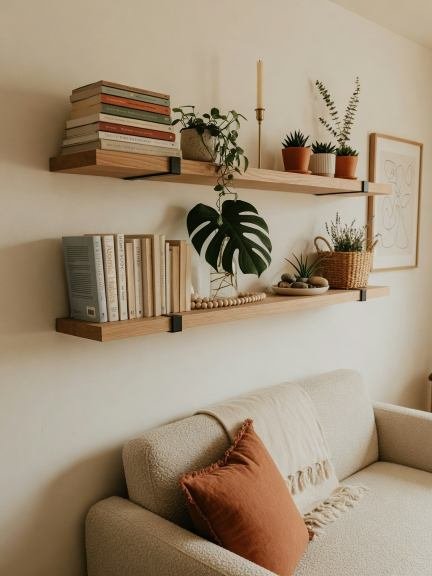
Floating shelves offer storage and display space without eating up valuable floor area, making them perfect for small budgets and small rooms. Unlike bulky cabinets or bookshelves, floating shelves keep sightlines open, helping the room feel less crowded while still giving you room to showcase books and décor.
DIY floating shelves are inexpensive to install and customize to any wall size. Paint them to match your walls for a seamless look, or choose a contrasting wood tone for visual interest. This budget upgrade adds function and style without consuming precious square footage.
6. Use Vertical Space with Tall Bookcases
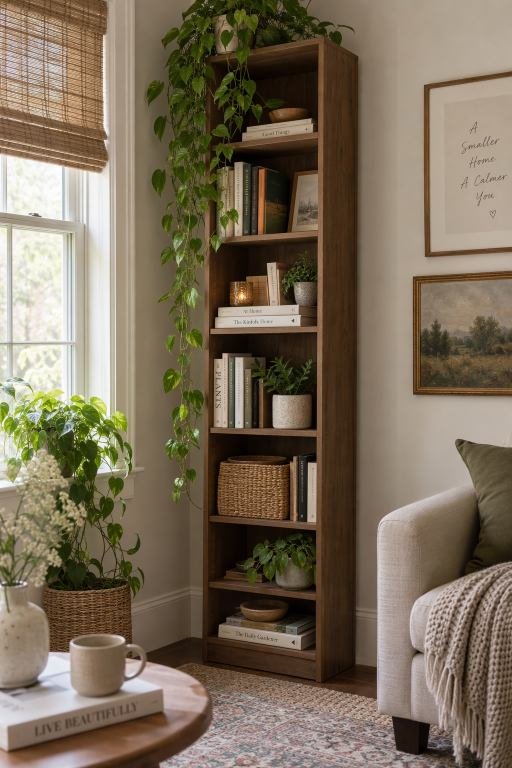
When floor space runs out, look up. Tall, narrow bookcases make use of vertical space that often goes unused in small living rooms. This storage strategy keeps clutter off the floor while drawing the eye upward, which makes ceilings feel higher and rooms feel more spacious overall.
Budget stores and secondhand shops often have affordable tall shelving units perfect for this purpose. Fill lower shelves with baskets to hide clutter, and use upper shelves for display items. This simple layout shift maximizes storage without requiring any costly renovations.
7. Layer Lighting for a Cozy Atmosphere
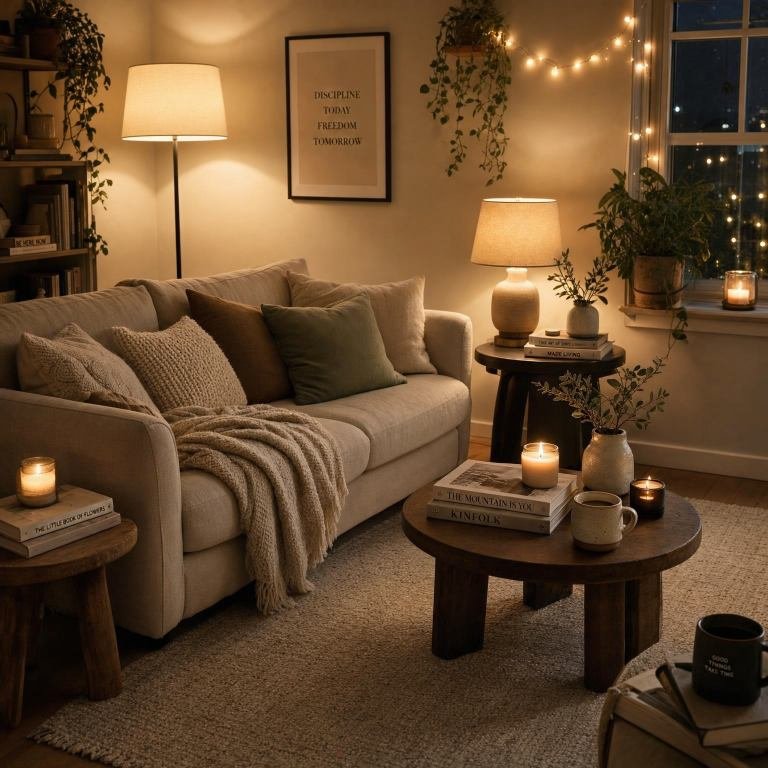
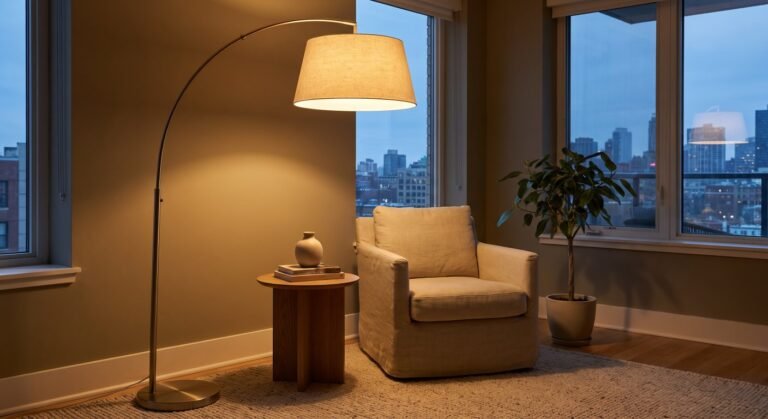
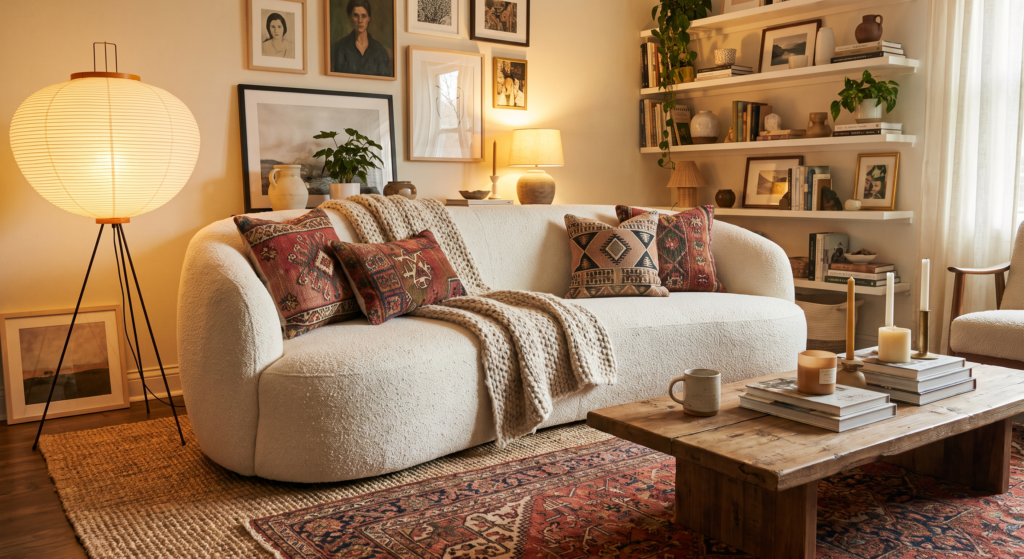
Good lighting transforms a small living room without spending much money at all. Layering floor lamps, table lamps, and string lights creates warmth and depth that a single overhead fixture can’t achieve. Thrift stores and discount retailers often have budget lamp options in stylish, modern designs.
Avoid harsh overhead lighting, which can flatten a small space and make it feel sterile. Instead, use warm-toned bulbs and soft lighting placed at different heights around the room. This layered approach adds coziness and dimension for very little financial investment.
8. Choose a Rug to Define the Space
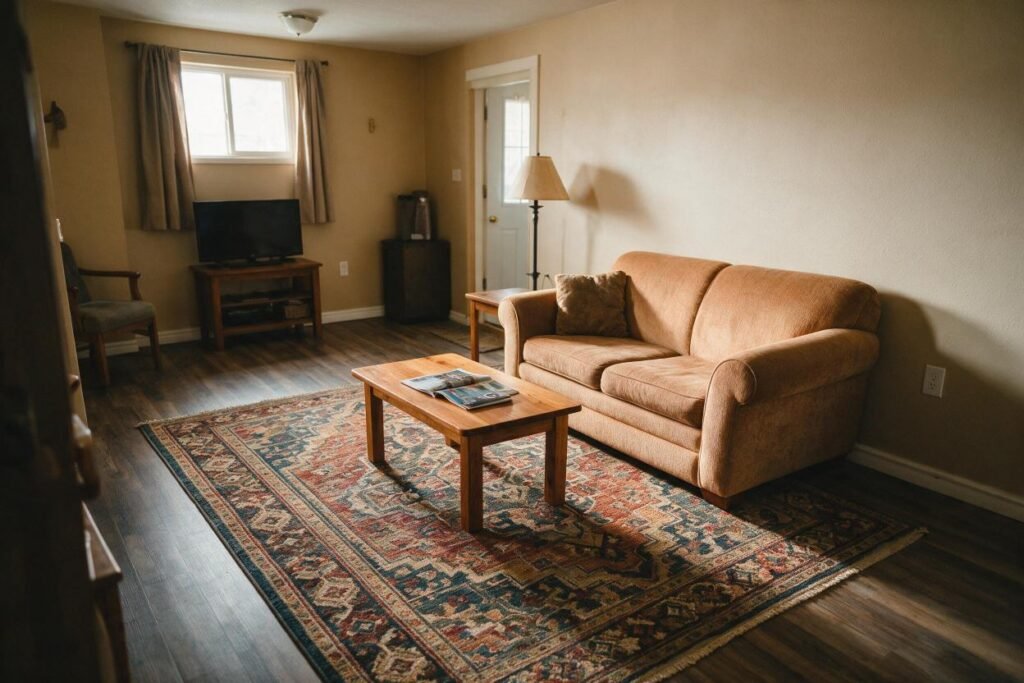
An area rug anchors furniture and visually defines your living room, even in an open-concept small space. Choosing the right rug size prevents furniture from looking like it’s floating awkwardly. Budget-friendly rugs from discount retailers can instantly elevate a room’s look without a significant financial commitment.
Light-colored or patterned rugs help hide dirt while brightening the room visually. Make sure at least the front legs of your furniture sit on the rug for a cohesive, intentional layout. This small addition ties the whole room together on a modest budget.
9. Repurpose and Upcycle Old Furniture
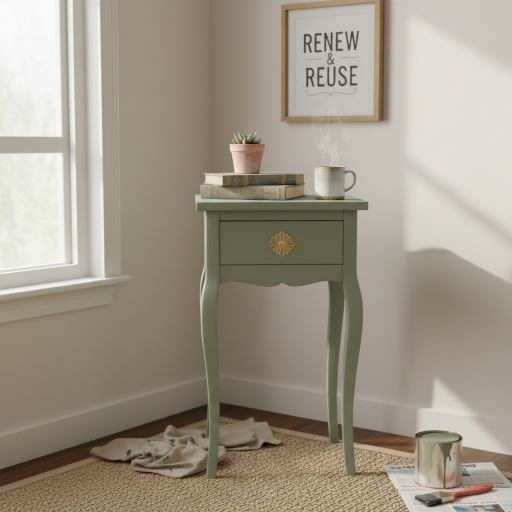
Repurposing old furniture is one of the most budget-friendly small living room ideas available. A fresh coat of paint, new hardware, or reupholstered cushions can completely transform outdated pieces. Thrift store finds and hand-me-down furniture often just need a little creativity to shine again.
DIY upcycling projects also let you customize furniture to fit your exact space and style preferences. Search online tutorials for simple techniques like sanding, painting, or fabric wrapping. This approach saves money while giving your small living room a unique, personal touch.
10. Keep Window Treatments Simple and Light
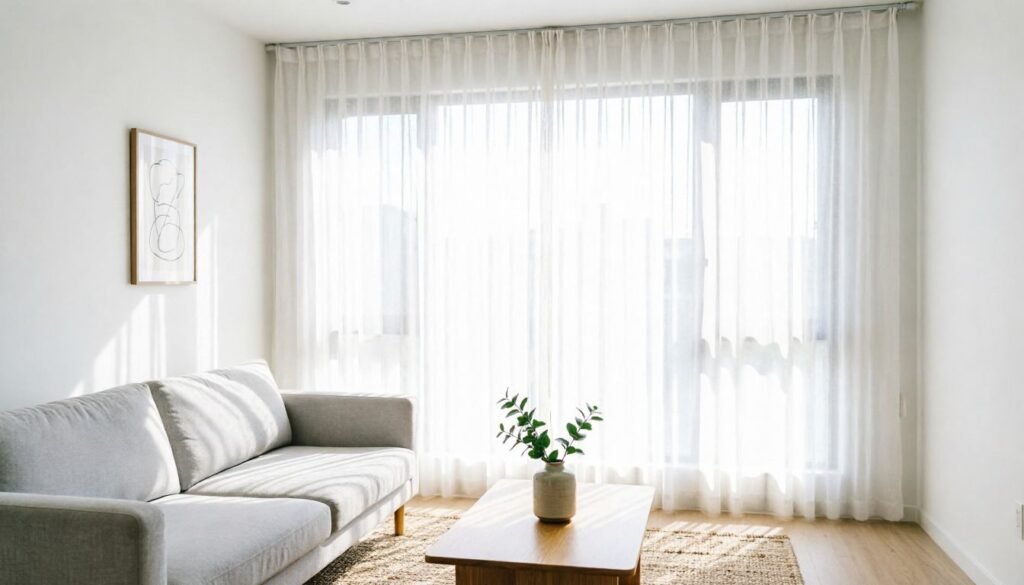
Heavy, dark curtains can make a small living room feel closed off and cramped. Instead, choose simple, light-colored window treatments like sheer curtains or budget roller shades that let natural light flow freely. Affordable curtain options from discount stores work just as well as expensive custom designs.
Hang curtain rods closer to the ceiling rather than directly above the window frame. This trick creates the illusion of taller ceilings and larger windows for very little cost. Simple, light treatments keep the room feeling open, bright, and effortlessly styled.
11. Declutter and Edit Your Décor
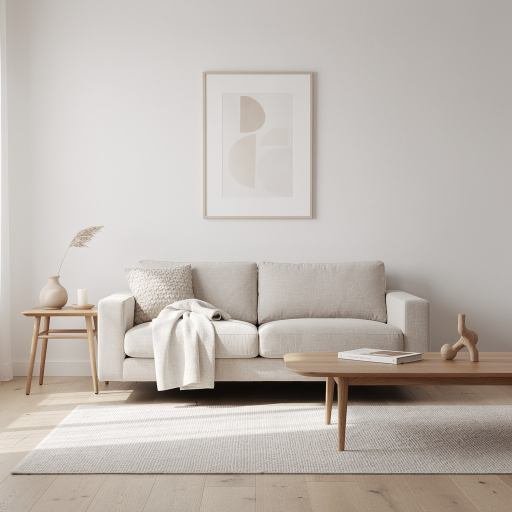
Decluttering is a completely free way to make any small living room feel bigger and more budget-conscious. Removing excess items, unused furniture, and decorative clutter instantly opens up visual space. Editing down to a few meaningful pieces creates a calmer, more intentional atmosphere overall.
Storage baskets and bins help corral remaining items out of sight without spending much money. Regularly reassessing what you truly need and love keeps small spaces functional. This simple habit costs nothing but makes a noticeable difference in how open your room feels.
12. Use Wall Art to Add Personality Affordably
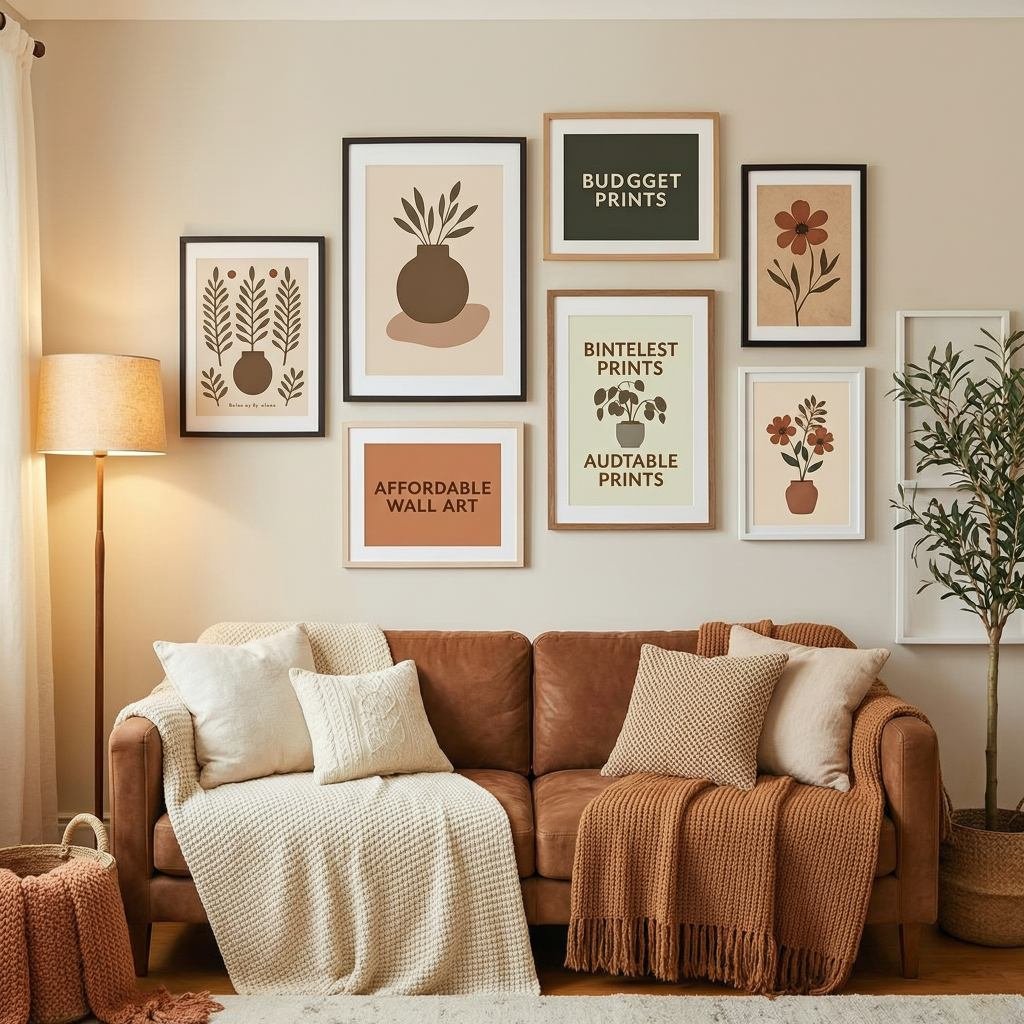
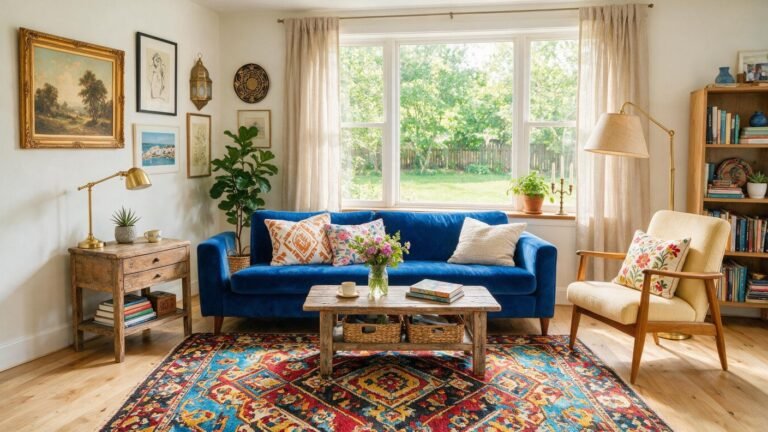
Wall art adds personality and visual interest to a small living room without requiring major furniture investments. Printable digital art, budget frame shops, and thrifted paintings offer affordable ways to fill wall space with style. A well-curated gallery wall can become the room’s focal point instantly.
Mixing frame sizes and styles adds character while keeping costs low, since mismatched thrifted frames often look more curated than a matching set. This budget-friendly styling trick draws the eye upward and outward, making the room feel more designed and complete.
13. Select Furniture with Exposed Legs
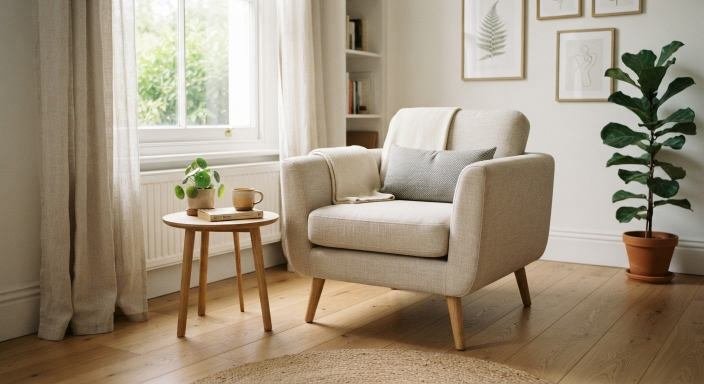
Furniture with exposed legs allows more floor and light to show through, creating an airier feel in small living rooms. Sofas, chairs, and tables that sit directly on the floor tend to look bulkier and heavier by comparison, even when they’re not actually larger in size.
This simple furniture styling choice costs nothing extra but makes a noticeable visual difference. When shopping secondhand or budget retailers, prioritize pieces with visible legs over skirted or boxy designs. It’s a small detail that significantly impacts how spacious your room feels.
14. Add Plants for Affordable Freshness
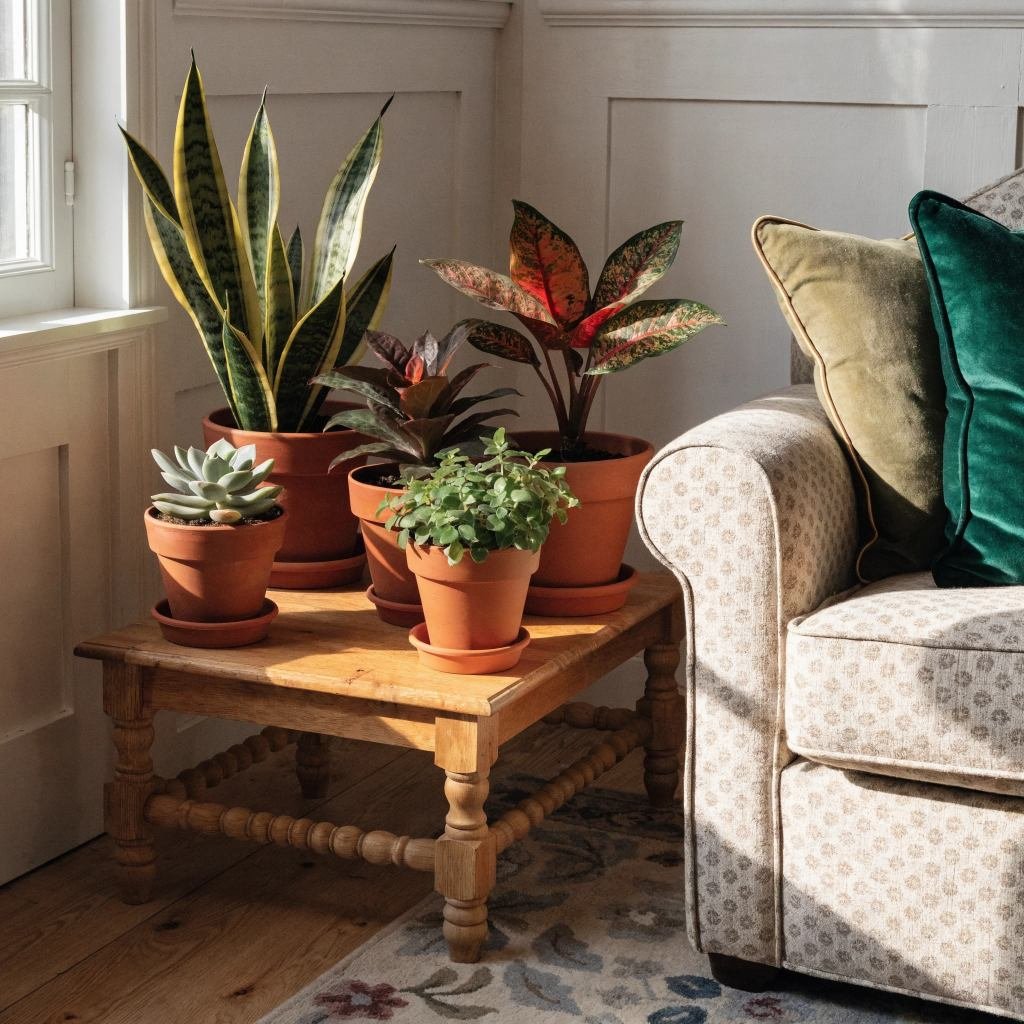
Plants bring life, color, and freshness to a small living room without costing much money. Budget-friendly options like pothos, snake plants, and succulents thrive with minimal care and instantly soften a room’s overall look. Thrifted planters or DIY-painted pots add style without additional expense.
Grouping plants at varying heights adds visual interest and draws the eye around the room naturally. Even a few affordable plants placed thoughtfully on shelves or floor corners can make a small space feel more vibrant, welcoming, and lived-in without any major investment.
15. Rearrange Furniture for Better Flow
Sometimes the most budget-friendly small living room upgrade is simply rearranging what you already own. Pulling furniture slightly away from walls, angling seating toward a focal point, or removing one bulky piece can dramatically improve flow and openness without spending a single dollar on anything new.
Experiment with a few different layouts before settling on one, since even small adjustments can free up unexpected space. Free room-planning apps make this process easier by letting you visualize changes digitally. This zero-cost trick often delivers surprisingly high-impact results.
16. Use Curtains or Screens to Create Zones
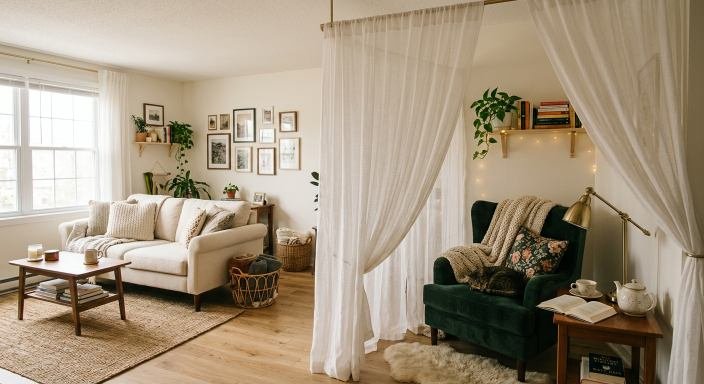
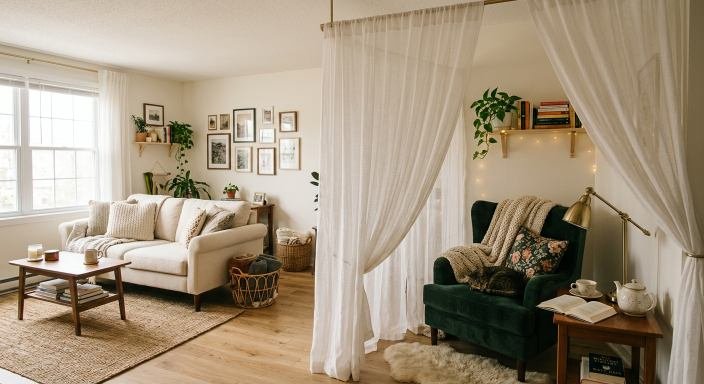
In studio apartments or open-concept small spaces, curtains and folding screens offer an affordable way to create visual zones. A simple curtain rod and fabric panel can separate a living area from a sleeping or work zone without the cost or permanence of building an actual wall.
Budget folding screens also work well for temporary privacy and room definition. This flexible solution allows you to reconfigure your space as needs change over time. It’s a low-cost way to make one small room function like several distinct living areas.