16 Zero Waste Interior Design Ideas for a Greener Home
Zero waste design goes a step beyond general sustainability, focusing specifically on reducing what ends up in landfills through smarter choices at every stage of decorating. This Pinterest-inspired guide shares 16 zero waste interior design ideas, complete with image prompts and SEO-optimized copy, to help you build a genuinely greener home.

1. Choose Modular Furniture That Grows With You
Modular furniture, like sectional sofas with rearrangeable pieces or expandable shelving systems, adapts to changing needs and spaces without requiring complete replacement when life circumstances shift throughout the years. This zero waste interior design idea reduces the cycle of buying and discarding furniture as households grow or relocate.
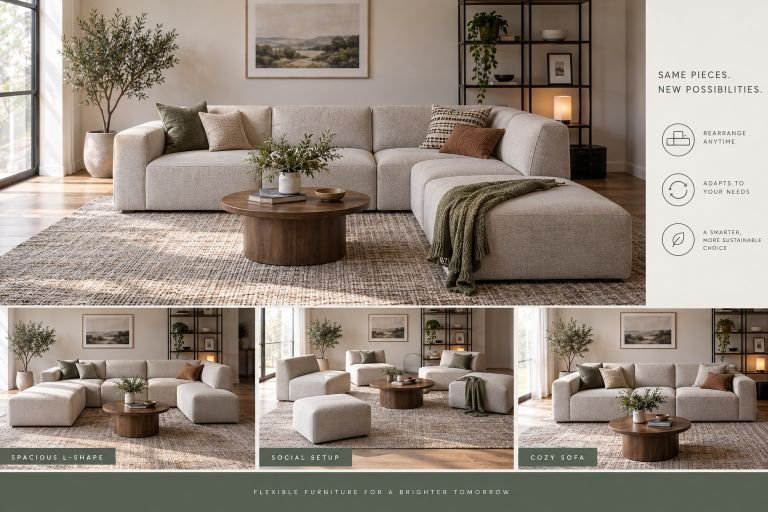
Choosing pieces designed for reconfiguration means a single modular sofa can function in a studio apartment today and a larger family home down the line throughout different life stages. Modular furniture remains one of the most practical zero waste design choices, extending a single purchase’s usefulness significantly over time.
2. Opt for Furniture Made From Recycled Materials
Furniture manufactured from recycled plastic, reclaimed metal, or repurposed industrial materials diverts waste from landfills while creating genuinely functional, often stylish pieces for the home throughout the design process. This zero waste interior design idea supports a circular economy where materials get a second life rather than being discarded.

These recycled-material pieces have evolved significantly in design quality, no longer limited to obviously eco-focused aesthetics but now available in genuinely sophisticated, modern styles throughout furniture collections. Choosing furniture made from recycled content remains a meaningful way to support zero waste principles while still achieving stylish results.
3. Avoid Single-Use Decor and Disposable Styling
Avoiding single-use decor items, like disposable table runners, paper decorations, or seasonal throwaway accents, reduces the constant cycle of purchasing and discarding temporary styling pieces throughout the year. This zero waste interior design idea favors reusable fabric alternatives that can be styled differently for various occasions instead.
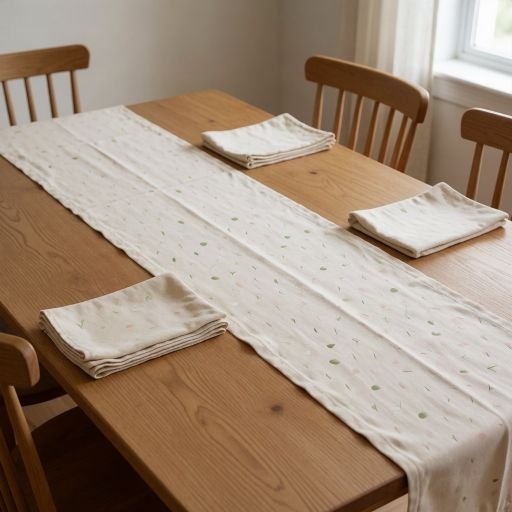
Choosing cloth napkins, reusable table linens, and durable seasonal decor that gets stored and reused annually significantly cuts down on household waste generated through entertaining and styling choices. Avoiding disposable decor remains a foundational zero waste design principle that pays off both environmentally and financially over time.
4. Choose Refillable and Reusable Home Products
Refillable dispensers for soap, lotion, or cleaning products eliminate the ongoing waste generated by single-use plastic bottles that typically accompany these everyday household items throughout regular use. This zero waste interior design idea works beautifully in bathrooms and kitchens, where product packaging often accumulates most quickly.
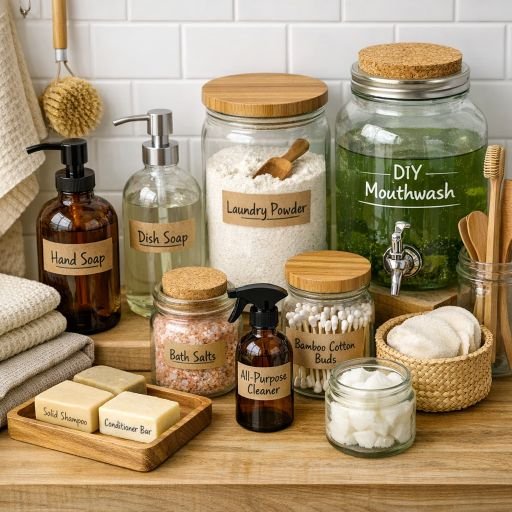
Choosing attractive glass or ceramic refillable containers also elevates the look of these functional items, proving zero waste choices can enhance rather than detract from a room’s overall design aesthetic. Refillable home products remain an easy, ongoing way to reduce household waste within the interior design process.
5. Design a Compost-Friendly Kitchen Space
Integrating a dedicated compost bin into kitchen cabinetry or countertop design makes composting a convenient, visually seamless part of the daily cooking routine rather than an afterthought stored awkwardly elsewhere. This zero waste interior design idea significantly reduces food waste sent to landfills throughout regular household meal preparation.
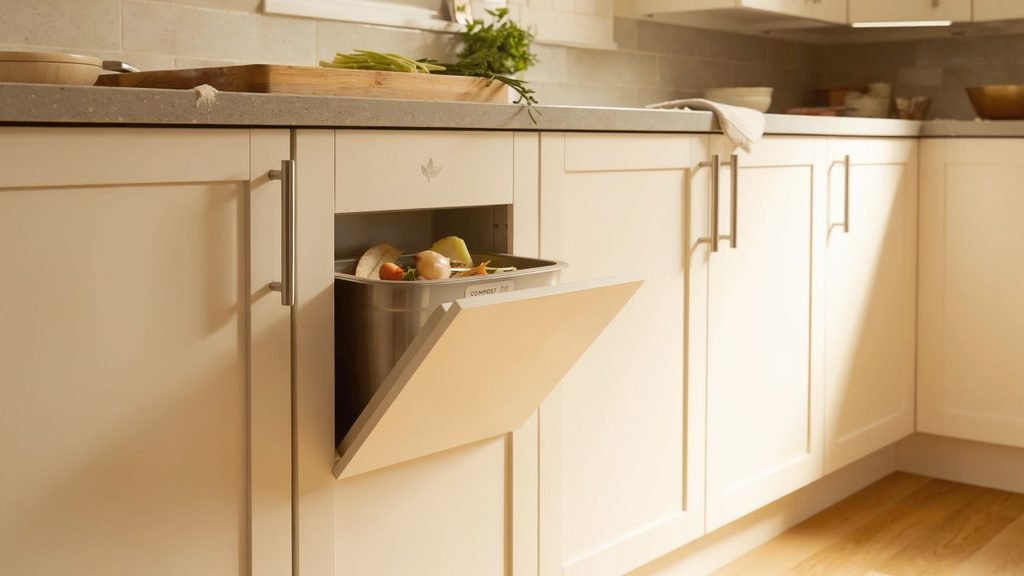
Choosing a stylish, well-designed compost container that fits naturally within the kitchen’s overall aesthetic encourages consistent use rather than feeling like an inconvenient, hidden chore. A compost-friendly kitchen design remains an increasingly popular zero waste feature for households serious about reducing their overall environmental footprint.
6. Build a Capsule Decor Wardrobe
A capsule decor wardrobe applies the minimalist fashion concept to home styling, maintaining a small, versatile collection of pieces that can be rearranged or restyled for different seasons and occasions. This zero waste interior design idea reduces the need for constantly purchasing new seasonal decor throughout the year.

Choosing neutral, adaptable base pieces alongside a few interchangeable accent items allows significant styling variety without requiring new purchases for every holiday or seasonal refresh. A capsule decor approach remains one of the most effective zero waste design strategies for reducing overall home styling consumption.
7. Use Salvaged Architectural Elements
Salvaged architectural elements, like vintage doors, reclaimed mantels, or antique hardware, divert materials from demolition waste while adding genuine historical character that new reproductions simply can’t replicate authentically. This zero waste interior design idea works beautifully as statement pieces throughout various rooms in the home.
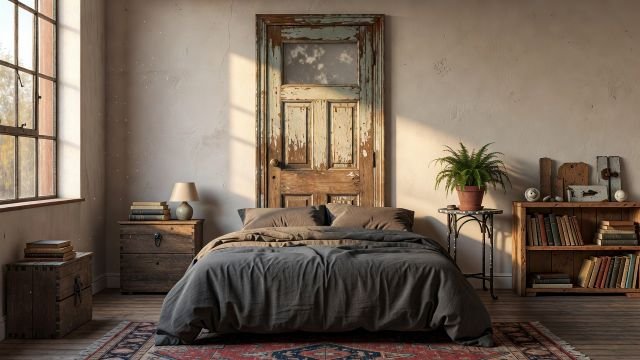
Architectural salvage yards and demolition reclamation centers offer treasure troves of unique materials waiting for creative repurposing within a new home’s design scheme throughout the renovation process. Using salvaged architectural elements remains a rewarding zero waste design practice that combines environmental benefit with genuinely one-of-a-kind style.
8. Choose Furniture Designed for Disassembly and Recycling
Furniture specifically engineered for disassembly allows individual components, like metal legs or fabric cushions, to be separated and recycled appropriately once the piece eventually reaches the end of its useful life. This zero waste interior design idea represents a growing trend among manufacturers committed to circular design principles.
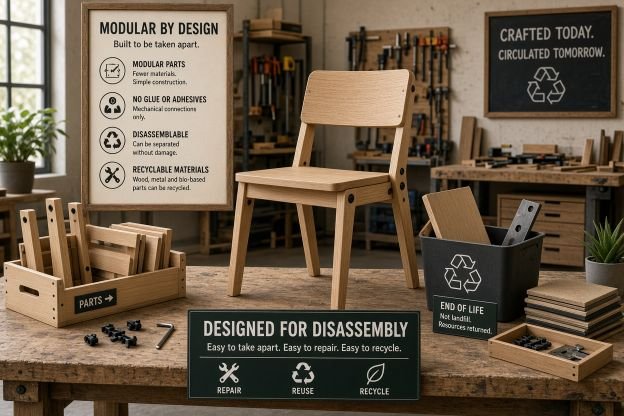
Choosing furniture built this way ensures that even when a piece can no longer be used or repaired, its individual materials can still be processed and reused rather than ending up as mixed waste. Furniture designed for disassembly remains an important zero waste consideration for environmentally conscious long-term purchasing decisions.
9. Rent or Borrow Decor for Temporary Needs
Renting or borrowing decor and furniture for temporary needs, like staging a home for sale or hosting a one-time event, avoids unnecessary purchases that often get discarded shortly after their brief useful life. This zero waste interior design idea works particularly well for short-term styling situations throughout various occasions.

Furniture and decor rental services have grown significantly, offering stylish options for temporary needs without contributing to the cycle of buy-and-discard consumption common in event and short-term staging. Renting or borrowing remains a practical, often overlooked zero waste strategy for situational interior design requirements.
10. Repurpose Packaging and Shipping Materials
Repurposing packaging materials, like turning sturdy shipping boxes into covered storage containers or using glass jars from food products as organizational vessels, keeps these materials out of recycling or waste streams entirely. This zero waste interior design idea requires creativity rather than additional purchases throughout the process.

Covering cardboard boxes in fabric or contact paper transforms purely functional shipping materials into genuinely attractive storage solutions suited for closets, pantries, or home offices throughout the space. Repurposing packaging remains an accessible, no-cost zero waste practice available to virtually every household immediately.
11. Choose Zero Waste Cleaning and Storage Solutions
Zero waste cleaning and storage solutions, like reusable glass jars for bulk pantry items or washable cloth cleaning rags instead of disposable paper towels, reduce ongoing household waste generation significantly. This zero waste interior design idea integrates sustainability directly into daily organizational and cleaning routines throughout the home.
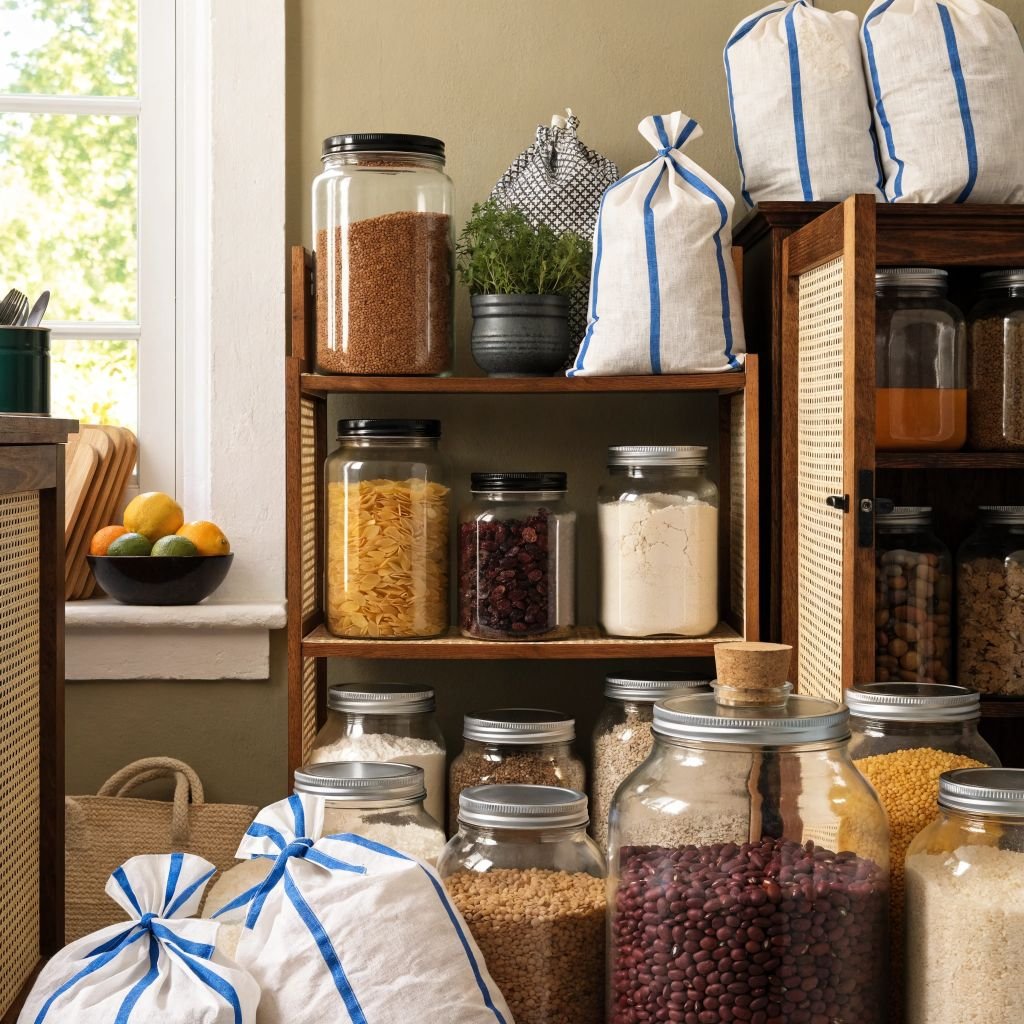
Choosing attractive, uniform glass storage containers also creates a more visually cohesive pantry or cabinet space, proving zero waste choices can enhance organization alongside their environmental benefits. These storage and cleaning solutions remain practical, everyday zero waste practices woven directly into interior design and home organization.
12. Host a Decor Swap With Friends
Hosting or attending a decor swap with friends, neighbors, or community groups allows unwanted furniture and decor to find new homes rather than heading to landfills or sitting unused in storage. This zero waste interior design idea builds community while giving items a genuine second life elsewhere.

These swaps work particularly well for seasonal decor, furniture that no longer fits a changed space, or items simply ready for a style refresh without requiring disposal. Decor swaps remain a social, genuinely effective zero waste practice that benefits multiple households simultaneously through shared, circular exchange.
13. Choose Furniture With Take-Back or Recycling Programs
Some furniture manufacturers now offer take-back or recycling programs, accepting their products back at the end of their useful life to properly recycle or refurbish materials rather than contributing to landfill waste. This zero waste interior design idea shifts responsibility partly onto manufacturers committed to circular design principles.
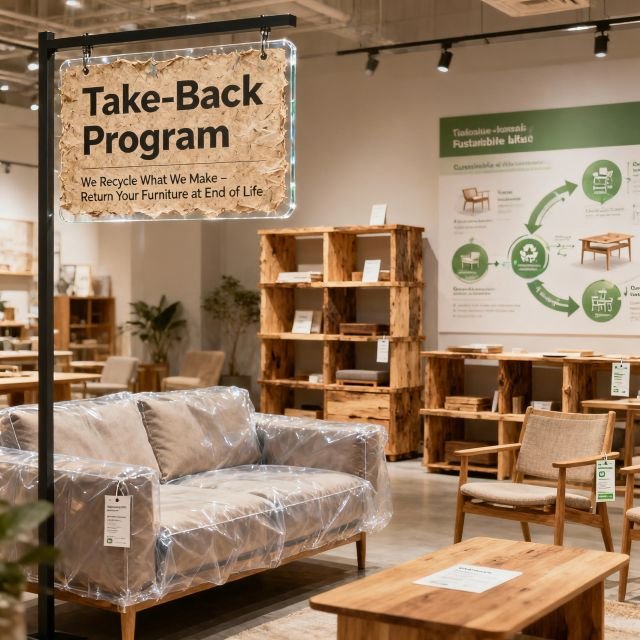
Researching brands with these programs before making furniture purchases ensures a more complete zero waste approach, covering not just acquisition but also responsible end-of-life disposal throughout the furniture’s lifecycle. Take-back programs remain an emerging but increasingly important consideration for genuinely comprehensive zero waste interior design choices.
14. Design a Dedicated Recycling and Composting Station
A dedicated, well-designed recycling and composting station makes proper waste sorting genuinely convenient, increasing the likelihood that household members actually follow through with these zero waste practices consistently. This zero waste interior design idea works beautifully integrated into kitchen cabinetry or a nearby utility space.

Choosing attractive, clearly labeled bins for different waste streams removes friction from the sorting process, making zero waste habits feel effortless rather than burdensome throughout daily household routines. A dedicated sorting station remains a practical, design-forward way to support zero waste goals within everyday home life.
15. Choose Paint and Finishes With Minimal Packaging Waste
Choosing paint and finish products from companies offering bulk purchasing, reusable containers, or take-back programs for empty cans reduces the packaging waste typically generated during home renovation and decorating projects. This zero waste interior design idea applies to an often-overlooked source of household waste throughout renovation work.
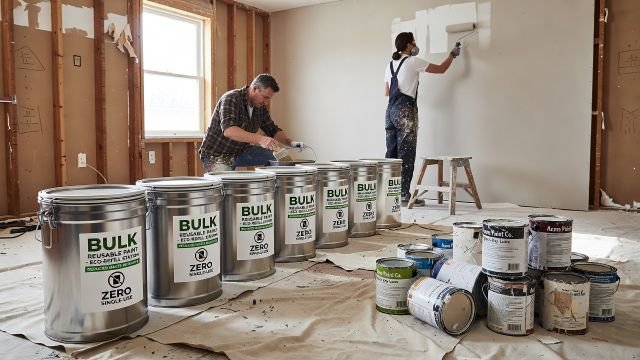
Researching paint brands committed to reducing packaging waste, alongside choosing low-VOC formulations, combines multiple sustainability considerations into a single purchasing decision throughout the painting process. Minimal-packaging paint choices remain an important but frequently overlooked element of genuinely comprehensive zero waste interior design planning.
16. Embrace a “Buy Nothing New” Decorating Challenge
Challenging yourself to decorate a room entirely through secondhand finds, repurposed items, or borrowed pieces pushes zero waste principles to their fullest, most intentional expression within the interior design process. This zero waste interior design idea often results in surprisingly creative, genuinely unique finished spaces throughout the home.
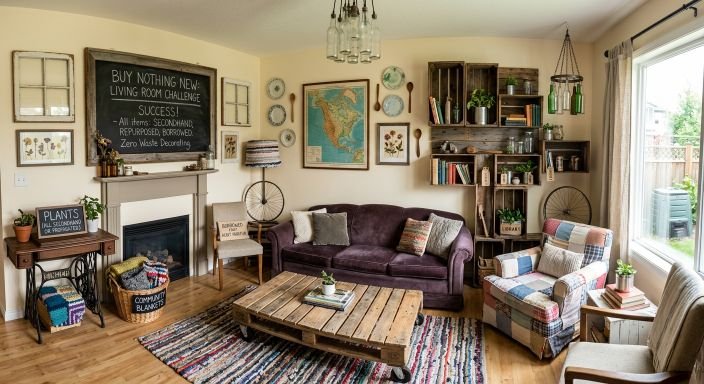
This approach requires patience and creative problem-solving, but consistently proves that stylish, cohesive design doesn’t require purchasing anything new whatsoever throughout the entire decorating process. A “buy nothing new” challenge remains one of the most ambitious, rewarding zero waste interior design practices for committed environmentally conscious homeowners.