16 Clever Attic Tips for a Cozy Stylish Space
Transforming an attic into a cozy, stylish retreat starts with smart planning around sloped ceilings and limited headroom. From strategic lighting and warm color palettes to custom storage solutions and layered textiles, small design choices make a dramatic difference in comfort and function. Whether you’re converting your attic into a bedroom, reading nook, or home office, these clever tips help maximize every awkward angle while keeping the space feeling inviting rather than cramped. Focusing on natural light, soft textures, and furniture scaled to fit sloped walls ensures your attic becomes one of the most charming rooms in your home. These sixteen practical, budget-friendly ideas are perfect inspiration for anyone ready to give their attic a cozy, personality-filled makeover that feels both functional and beautifully styled.
1. Paint Ceilings and Walls the Same Light Tone
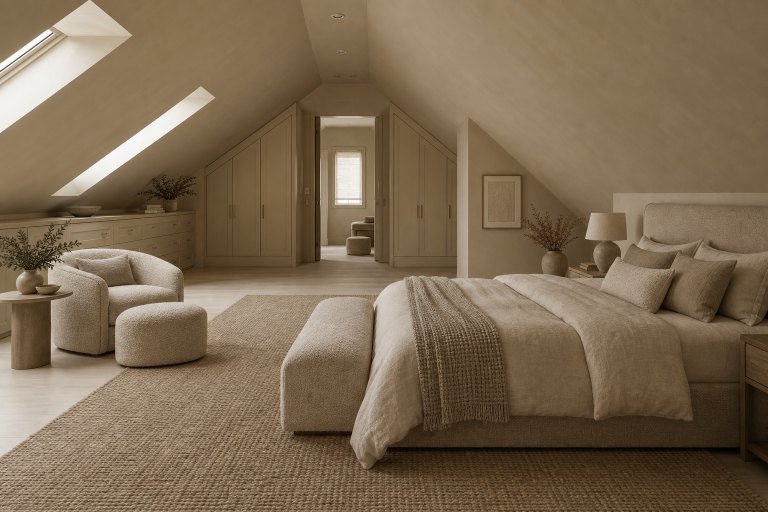
Painting a sloped attic ceiling the same soft color as the walls eliminates visual breaks, making the space feel taller and more unified. This seamless approach is one of the simplest, most effective ways to counteract the boxed-in feeling low ceilings often create.
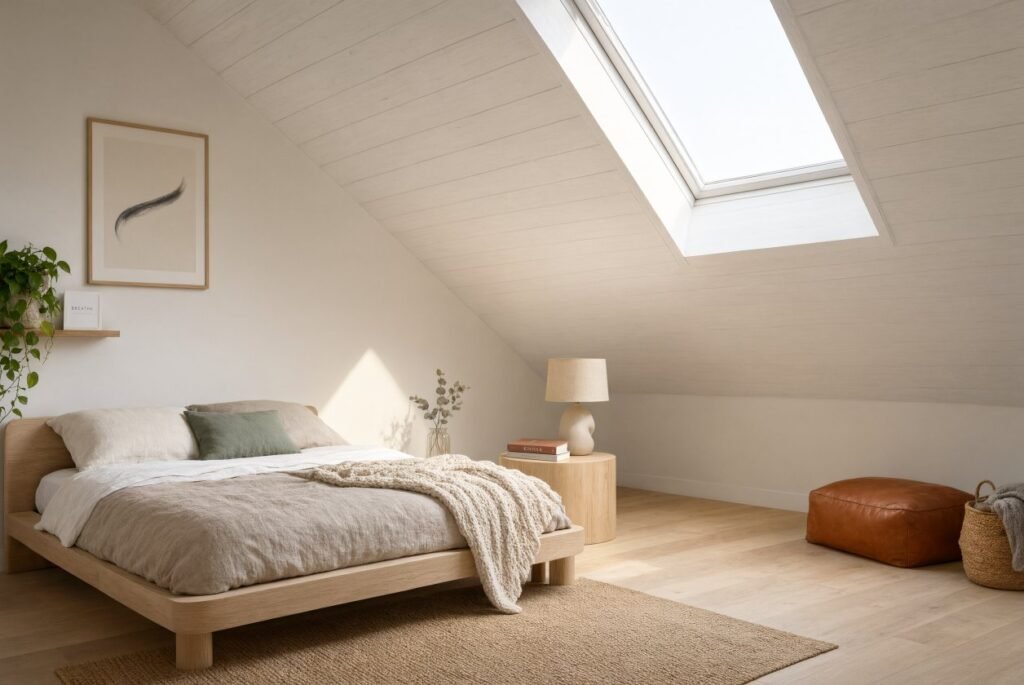
Light neutral tones also reflect natural light more effectively than darker shades, brightening the entire room. This combination works especially well for readers converting attics into bedrooms or offices, where an airy, spacious atmosphere significantly improves daily comfort and usability.
2. Add a Skylight for Natural Light
Installing a skylight introduces natural light from directly overhead, an angle standard windows can’t achieve in attics with limited wall space. This addition brightens the entire room while offering sky views that make the space feel more connected to the outdoors.
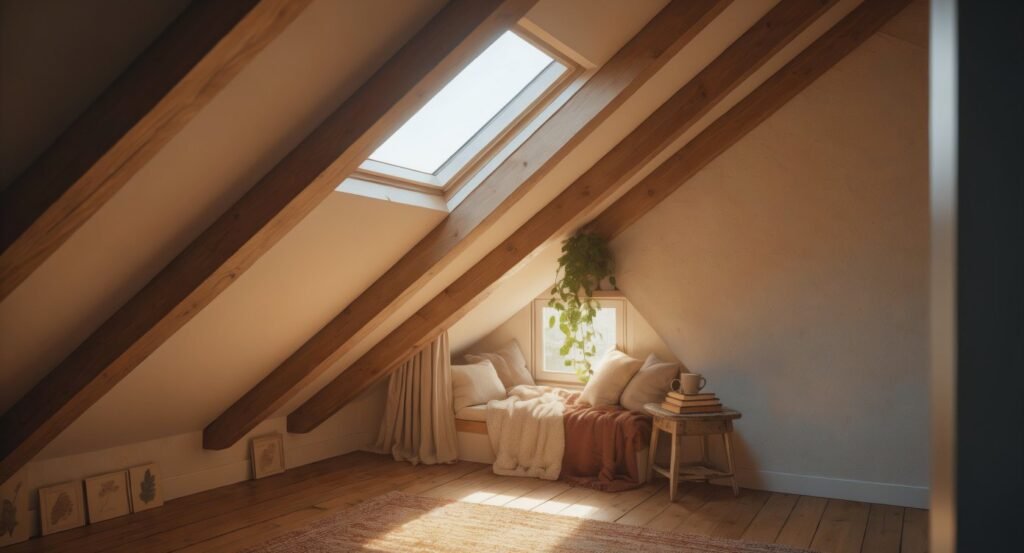
This upgrade is especially valuable for readers with attics lacking sufficient vertical wall space for traditional windows. Beyond brightness, skylights improve mood and reduce reliance on artificial lighting during the day, enhancing the room’s overall cozy, uplifting atmosphere.
3. Use Angled Shelving Along the Slope
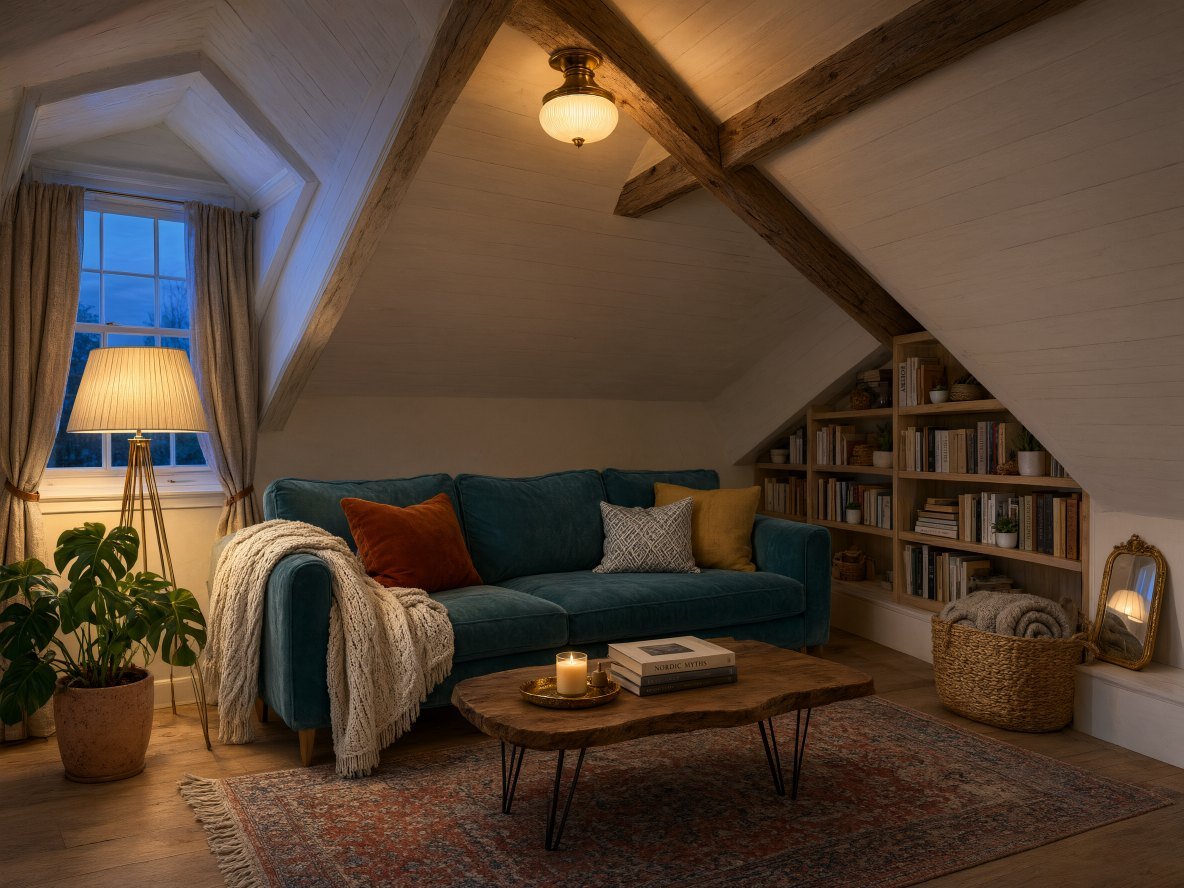
Custom shelving that follows the roofline transforms awkward sloped sections into functional storage rather than wasted space. This angled design accommodates books, decor, or folded items while working with the attic’s architecture instead of against it.
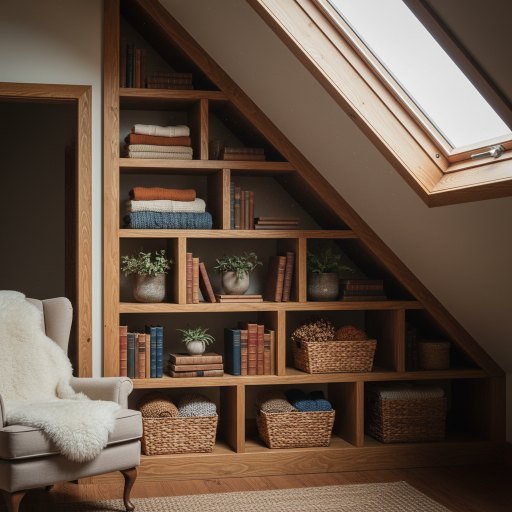
This solution is particularly popular among readers seeking practical ways to organize attic bedrooms or offices. Choosing warm wood tones for the shelving adds cozy texture, turning a structural limitation into an intentional, charming design feature throughout the space.
4. Layer Soft Textiles for Warmth
Layering plush throw blankets and an assortment of pillows across attic seating or bedding instantly boosts coziness while softening the room’s often exposed architectural elements. This simple styling trick makes the space feel warm and inviting regardless of season.
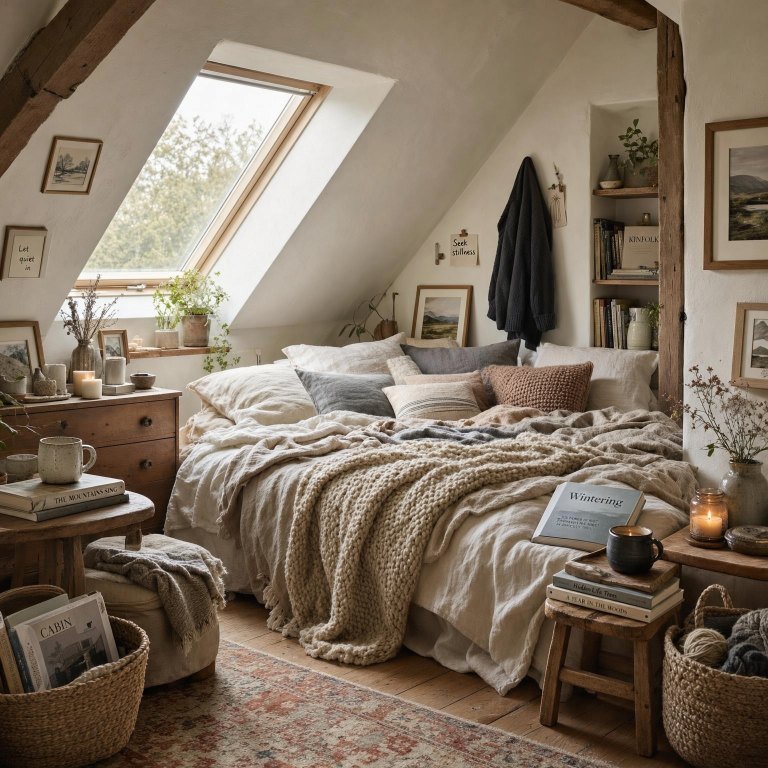
This combination is especially useful for readers in older homes where attics can feel drafty or stark. Mixing different textures, like chunky knits with smooth linen, adds tactile richness that enhances the room’s overall comfort and visual appeal.
5. Choose Low-Profile Furniture
Furniture with a low profile, like platform beds or floor-level seating, maximizes usable headroom beneath sloped attic ceilings. This thoughtful selection prevents the space from feeling cramped, since lower pieces leave more vertical clearance in areas where the ceiling drops.
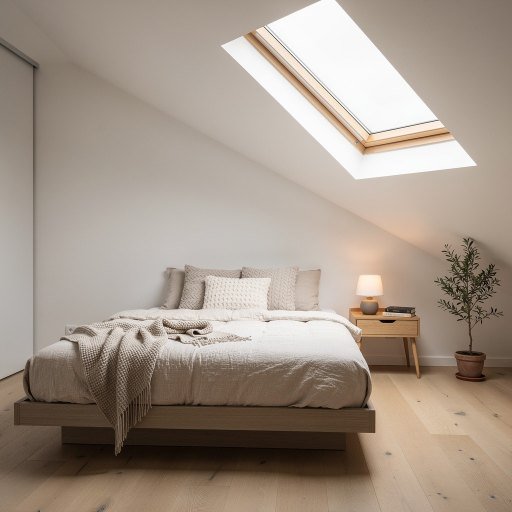
This approach is essential for readers furnishing attic bedrooms or lounges with limited height. Pairing low furniture with soft, layered textiles creates a cozy, grounded feel that makes the most of every inch without sacrificing comfort or style.
6. Install Warm Wood Flooring
Warm-toned wood flooring adds instant coziness to an attic space while complementing exposed beams or wood ceiling details often found in these rooms. The natural material grounds the space, creating continuity between floor and architectural elements.
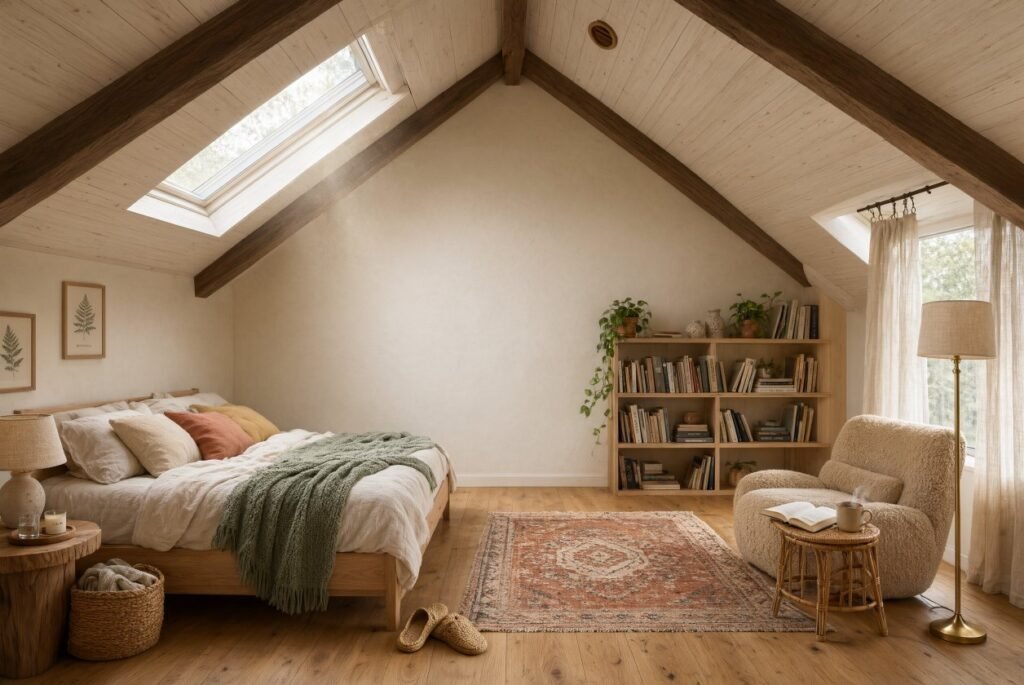
This flooring choice is especially popular among readers renovating older attics with existing timber framing. Adding a soft area rug on top introduces additional warmth and texture, further enhancing the room’s inviting, lived-in atmosphere.
7. Add a Reading Nook by the Window
Positioning a comfortable armchair or window seat near an attic’s best light source creates a dedicated cozy nook perfect for reading or relaxing. This intentional zoning gives the room a clear focal point that maximizes both comfort and natural daylight.
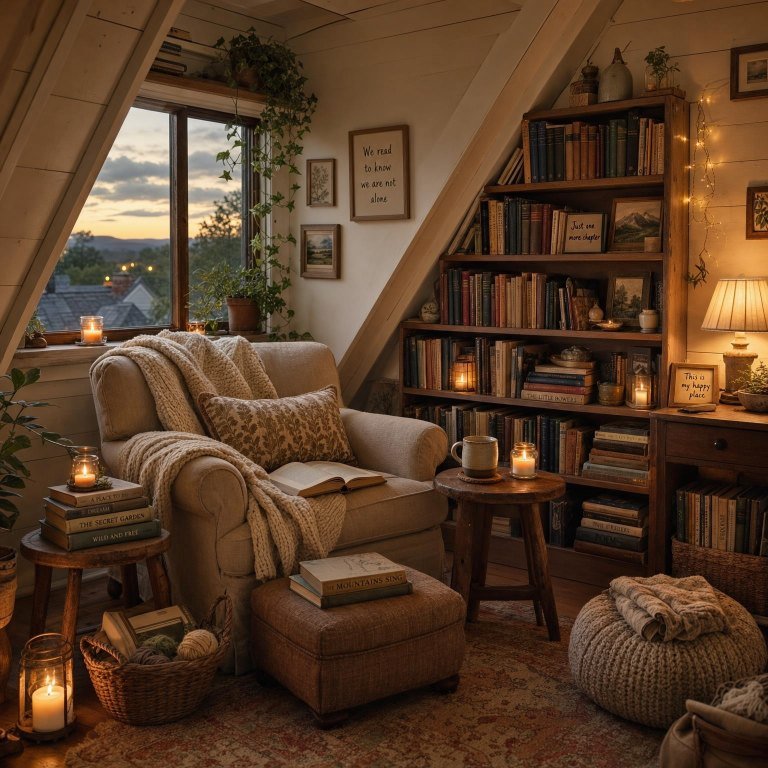
This idea is a favorite among readers wanting a quiet personal retreat within their home. Adding a small side table and a soft throw blanket completes the nook, making it an inviting spot for morning coffee or evening unwinding.
8. Use String Lights for Soft Ambiance
Draping warm white string lights along exposed beams or shelving adds a soft, magical glow to an attic space without requiring electrical installation. This affordable lighting solution instantly enhances the room’s cozy, relaxed atmosphere, especially during evening hours.
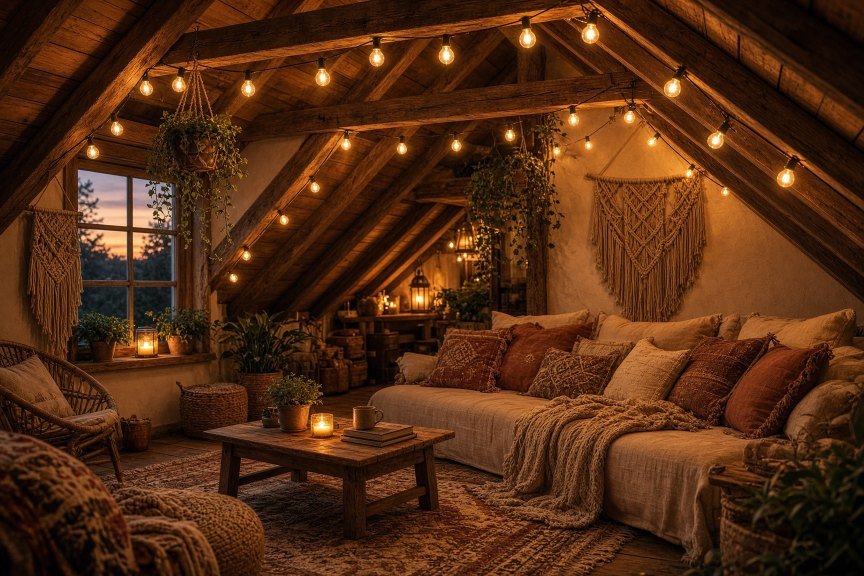
This combination is especially popular among readers decorating attic spaces on a budget. The flexible, low-commitment nature of string lights makes them easy to add or remove, offering warmth and charm without a significant investment in permanent fixtures.
9. Incorporate a Statement Rug
A boldly patterned area rug adds color, texture, and warmth underfoot in an attic space, softening exposed wood or unfinished flooring. This statement piece anchors the room’s design while providing practical comfort during colder months when attics tend to feel drafty.
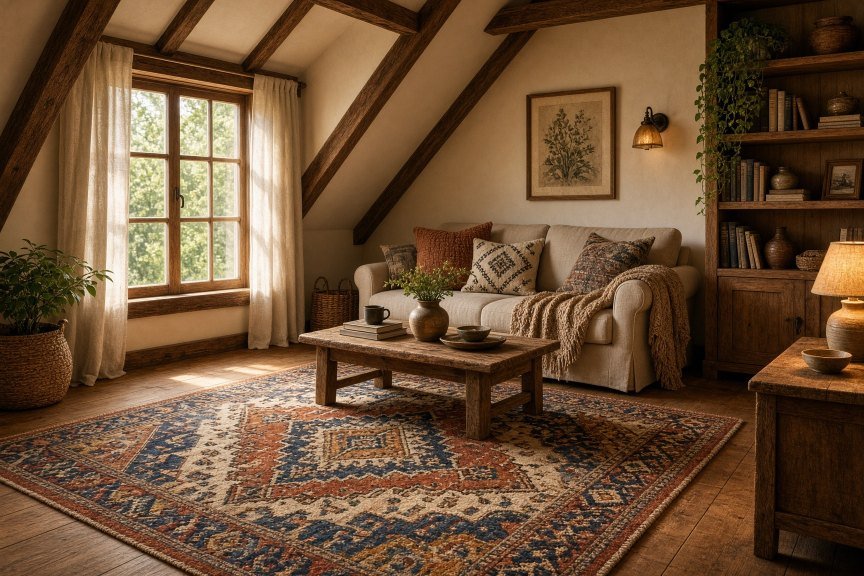
This combination is a strong choice for readers wanting to inject personality into a neutral attic space. Choosing a rug with rich, warm tones enhances the room’s overall coziness while creating a defined, intentional seating or lounging area.
10. Build a Cozy Window Seat with Storage
A built-in window seat with drawers underneath transforms an attic’s dormer area into a dual-purpose feature offering both seating and practical storage. This custom solution maximizes an often underutilized architectural element while adding charm and function.
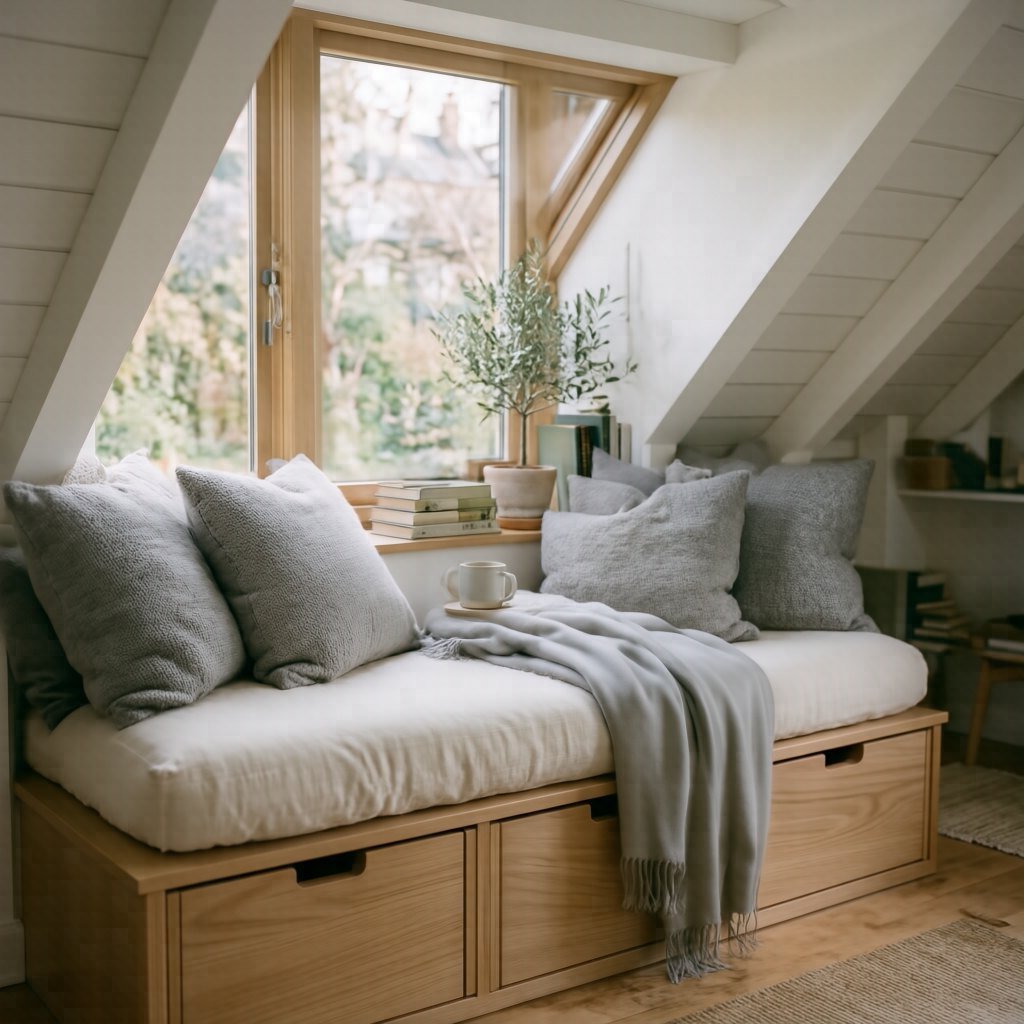
This idea is especially valuable for readers seeking efficient storage in a naturally space-limited attic conversion. Adding soft cushions and pillows to the seat completes the cozy nook, making it a favorite spot for relaxing or additional guest seating.
11. Choose a Warm, Earthy Color Palette
Selecting warm, earthy colors like terracotta, rust, or soft cream for an attic’s walls and decor creates an inherently cozy, grounded atmosphere. These tones work beautifully with natural wood elements often found in attic spaces, enhancing rather than competing with existing architecture.
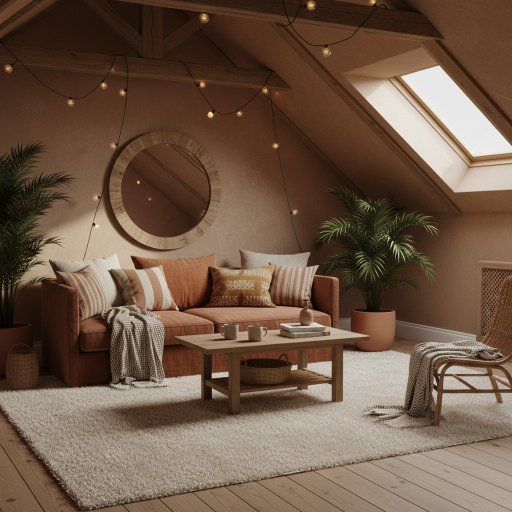
This palette choice is especially popular among readers wanting their attic to feel like a warm retreat rather than a stark, underused space. Layering different warm shades throughout textiles and decor reinforces the room’s inviting, cohesive design.
12. Add Exposed Beam Details
Leaving structural wood beams exposed and unpainted adds architectural character and rustic charm to an attic space. These natural details draw the eye along the ceiling’s lines, turning a potential limitation into an intentional, visually interesting design feature.
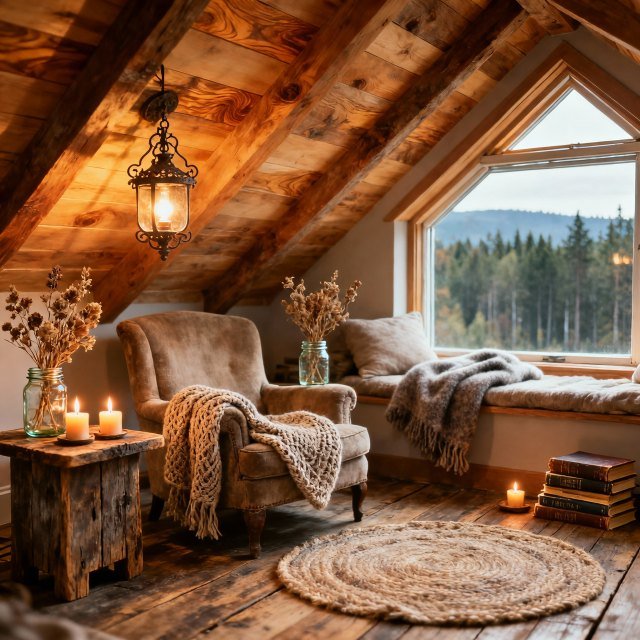
This approach works particularly well for readers renovating older homes with existing timber framing. The natural wood tone adds warmth without darkening the room, keeping the overall attic space feeling both cozy and appropriately bright throughout the day.
13. Use Curtains Instead of Doors for Storage Nooks
Replacing solid doors with soft fabric curtains for attic storage nooks saves valuable floor space while adding a relaxed, textural touch to the room. This flexible solution avoids the swing clearance traditional doors require in already tight attic layouts.
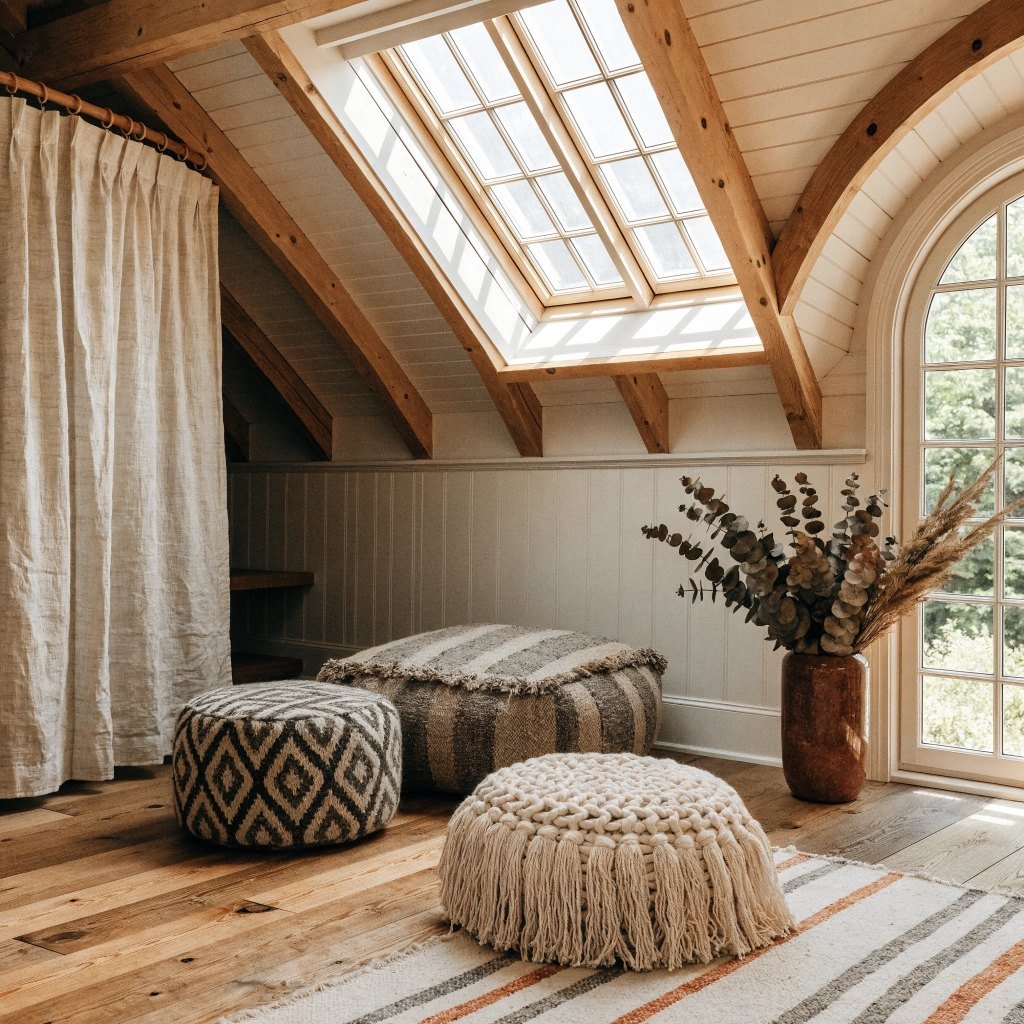
This idea is especially useful for readers working with awkward knee-wall storage areas. Choosing a curtain fabric that complements the room’s overall color palette keeps the look cohesive while enhancing the attic’s soft, cozy character.
14. Add Potted Plants for Natural Texture
Placing potted plants near an attic’s natural light source introduces organic texture and a refreshing pop of green to the space. Plants soften hard architectural lines while contributing to a calming, nature-inspired atmosphere throughout the room.
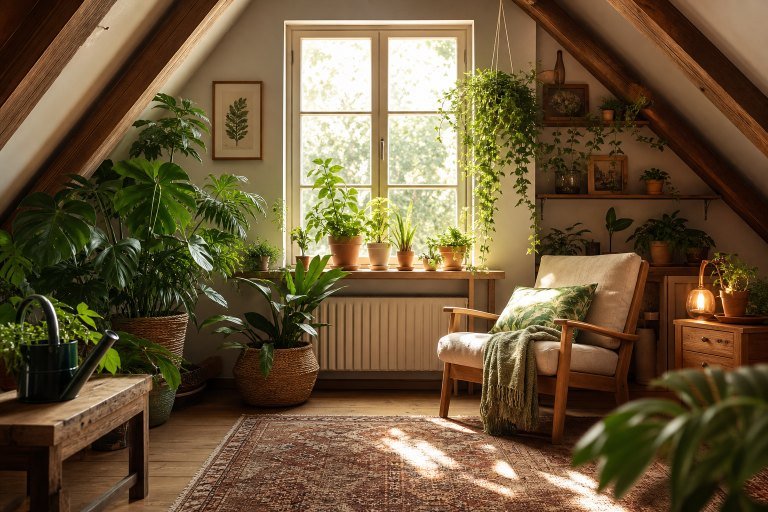
This combination is especially popular among readers wanting to bring life and warmth into a converted attic space. Mixing plant sizes, from small succulents to taller leafy varieties, adds depth and visual interest without requiring significant additional decor investment.
15. Layer Multiple Light Sources
Combining a floor lamp with overhead or recessed lighting creates layered illumination that eliminates harsh shadows in an attic’s sloped corners. This approach offers flexibility for different activities while ensuring every part of the room receives adequate, flattering light.
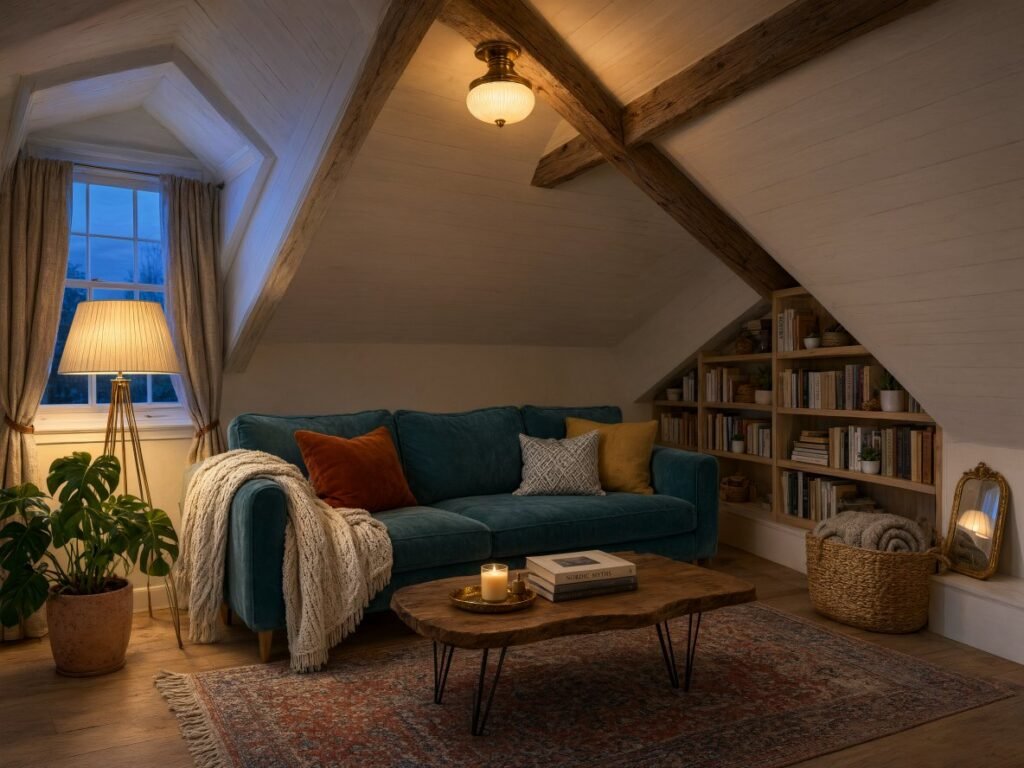
This lighting strategy is essential for readers converting attics into functional living spaces. Choosing warm-toned bulbs throughout enhances the room’s cozy ambiance, making the space feel inviting whether used for reading, relaxing, or entertaining guests.
16. Personalize with Meaningful Decor
Displaying personal items, like framed photos, travel souvenirs, or handmade decor, gives an attic space genuine warmth and character beyond its physical design elements. This personalization transforms the room from a generic space into a meaningful, lived-in retreat.
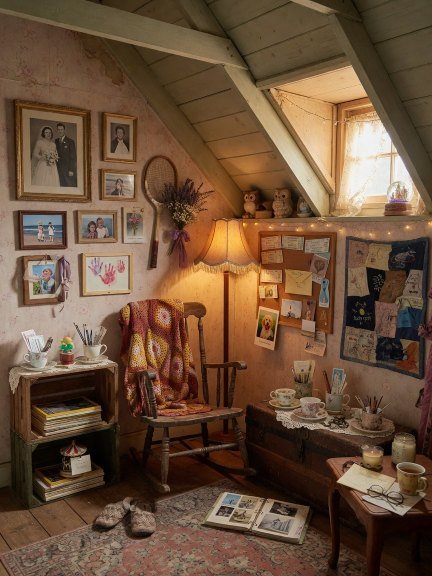
This final touch is especially important for readers wanting their attic to feel like a true personal sanctuary. Arranging cherished items thoughtfully throughout the space reinforces its cozy, welcoming atmosphere while reflecting the homeowner’s unique story and style.