14 Clever Ways to Make Any Space Look Larger
Small spaces don’t have to feel cramped or restrictive with the right design strategies. From strategic mirror placement and light color palettes to multi-functional furniture and clever lighting techniques, small adjustments can dramatically transform how spacious a room feels. These design principles work across any room type, whether you’re tackling a compact apartment, a small bedroom, or a tight living area. The key lies in creating visual continuity, maximizing natural light, and choosing furniture that doesn’t overwhelm the available square footage. These fourteen practical, budget-friendly ideas offer inspiration for readers wanting to open up their space without a full renovation, proving that thoughtful design choices matter more than square footage alone.
1. Hang Mirrors Opposite Windows
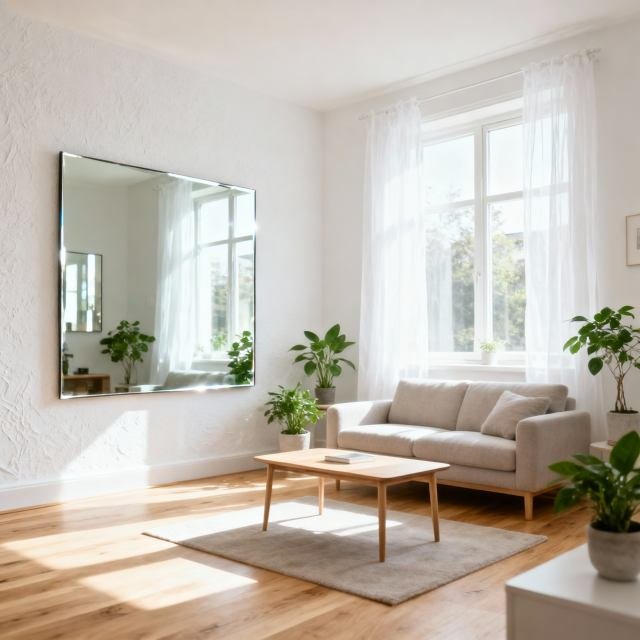
Hanging a large mirror directly opposite a window reflects natural light throughout the room, instantly making the space feel brighter and larger. This simple, affordable trick doubles the perceived square footage without any structural changes to the room.
This technique is especially effective for readers with small living rooms or bedrooms lacking sufficient natural light sources. Positioning the mirror to reflect the room’s best view or light source maximizes the illusion of depth and openness throughout the day.
2. Choose a Light, Monochromatic Color Palette
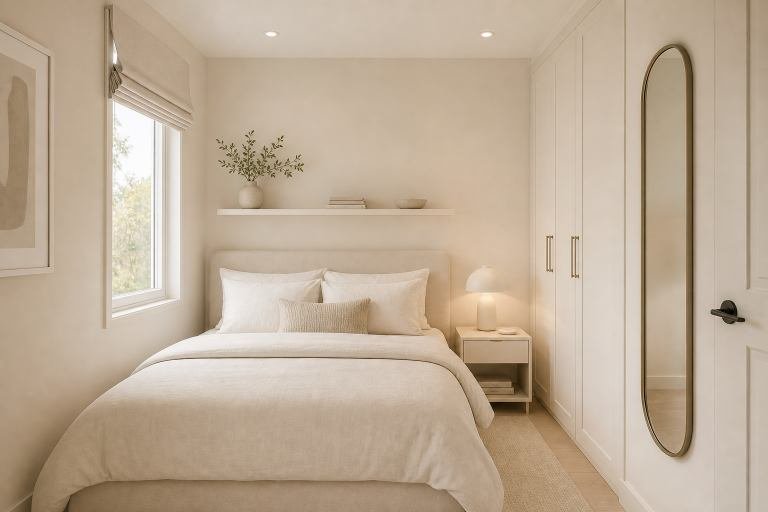
Painting walls, trim, and ceiling in the same light color eliminates visual breaks that can make a small room feel choppy or divided. This seamless approach tricks the eye into perceiving continuous, uninterrupted space rather than a confined, boxed-in room.
This color strategy works especially well for readers with low ceilings or narrow rooms. Extending the same light tone across furniture and textiles further enhances the illusion, creating a cohesive, airy atmosphere that feels significantly more open than the actual dimensions.
3. Use Multi-Functional Furniture
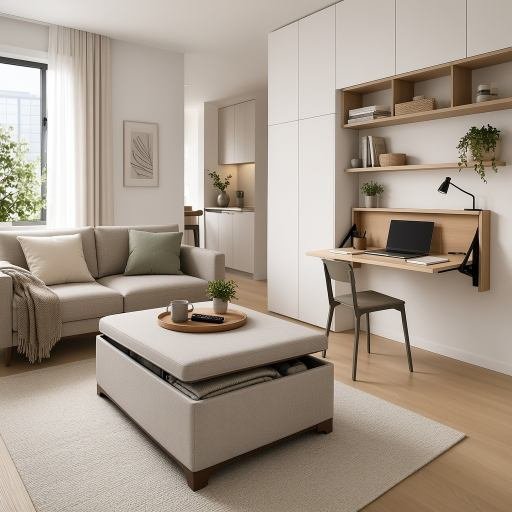
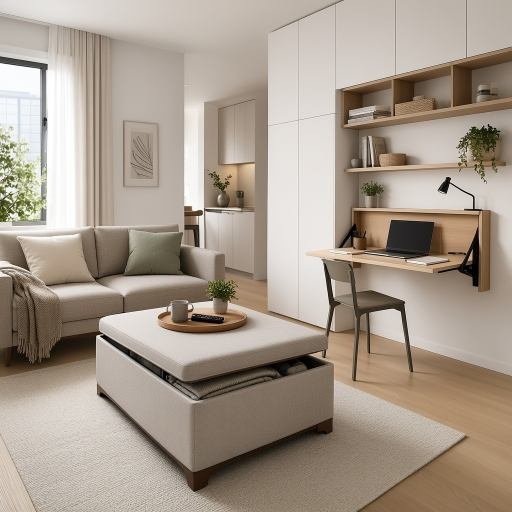
Furniture that serves multiple purposes, like a storage ottoman or a fold-down desk, eliminates the need for separate pieces that would otherwise crowd a small room. This strategic approach maximizes function while minimizing the overall furniture footprint.
This solution is a favorite among readers furnishing studio apartments or small multi-purpose rooms. Choosing pieces that transform or hide away when not in use keeps the room feeling open and adaptable rather than permanently cluttered with single-purpose furniture.
4. Install Floor-to-Ceiling Curtains
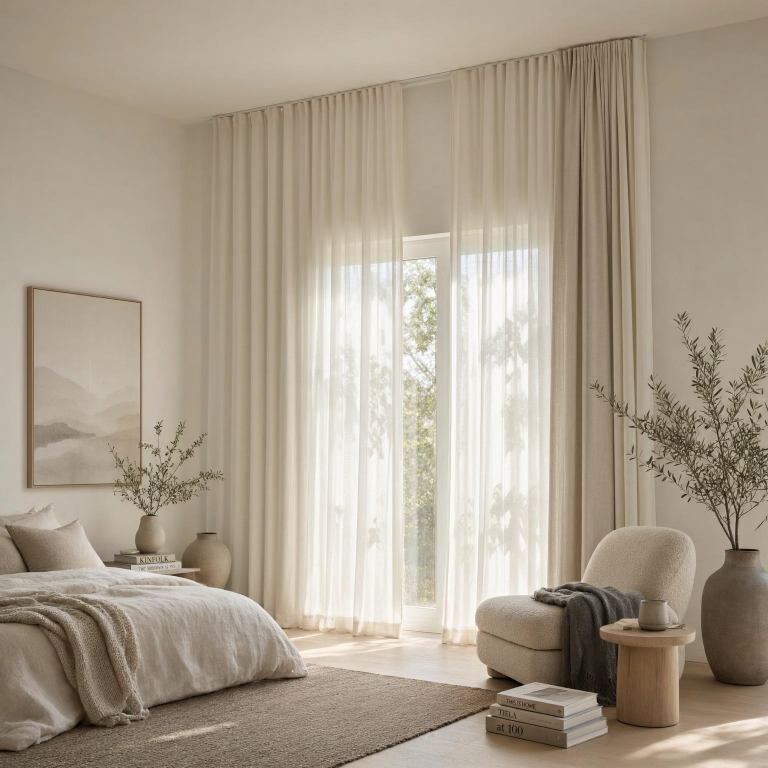
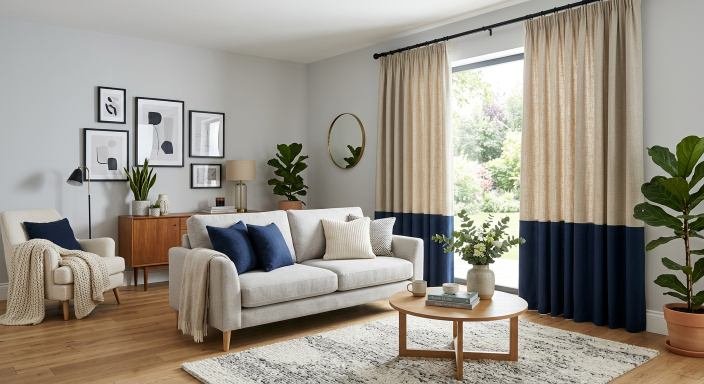
Hanging curtains higher than the actual window frame and extending them to the floor creates an optical illusion of taller ceilings and larger windows. This simple installation trick draws the eye upward, making the entire room feel more expansive.
This technique is especially popular among readers with standard window sizes wanting to maximize perceived height. Choosing curtains in a color that matches the wall keeps the look seamless, further enhancing the room’s sense of continuous, uninterrupted space.
5. Opt for Glass or Acrylic Furniture
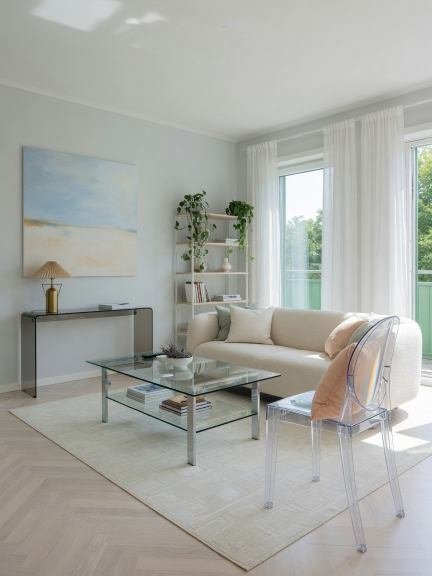
Furniture made from glass or clear acrylic takes up visual space without blocking sightlines, allowing the eye to travel uninterrupted through the room. This transparency creates a sense of openness that solid, opaque furniture simply cannot achieve.
This solution works particularly well for readers with small living rooms needing a coffee table or side table. Replacing even one solid furniture piece with a transparent alternative can noticeably reduce visual clutter and enhance the room’s overall spaciousness.
6. Use Vertical Striped Elements
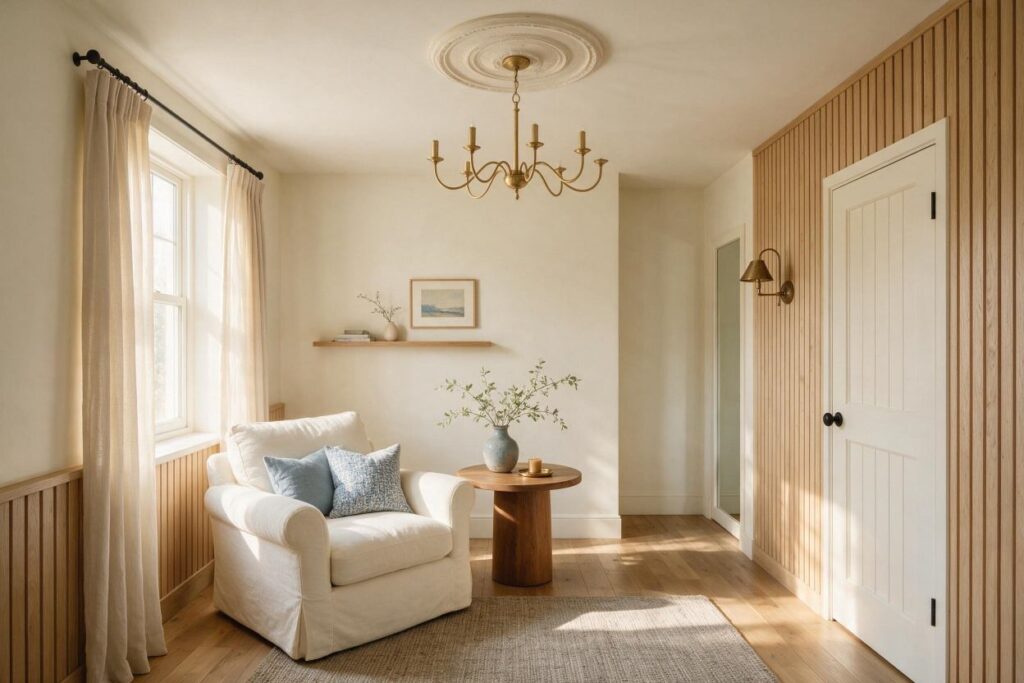
Vertical stripes on walls, whether through wallpaper, paint, or paneling, create an optical illusion that elongates the space, drawing the eye upward and making ceilings feel higher than they actually are. This classic design trick is simple to implement.
This technique is especially popular among readers wanting a stylish yet functional solution for visually raising low ceilings. Choosing subtle, tonal stripes rather than high-contrast patterns keeps the look sophisticated while still achieving the desired elongating effect.
7. Maximize Natural Light with Sheer Curtains
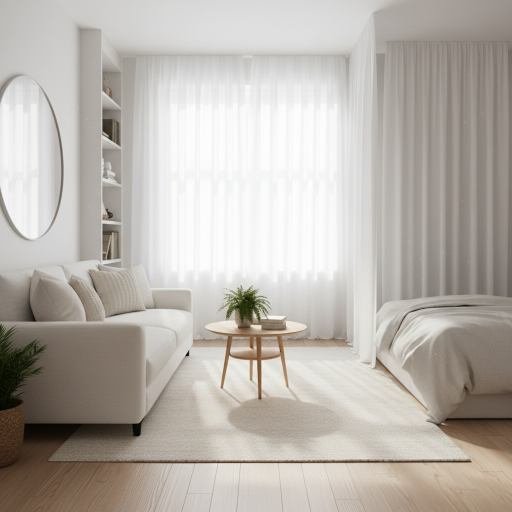
Sheer white curtains allow maximum natural light to filter into a room while still providing privacy, keeping the space feeling bright and open throughout the day. This lightweight window treatment avoids blocking light the way heavier fabrics often do.
This combination is especially practical for readers whose small rooms rely heavily on natural light for a spacious feel. The soft, diffused glow created by sheer fabric enhances the room’s airy character without sacrificing necessary privacy from outside views.
8. Choose Furniture with Exposed Legs
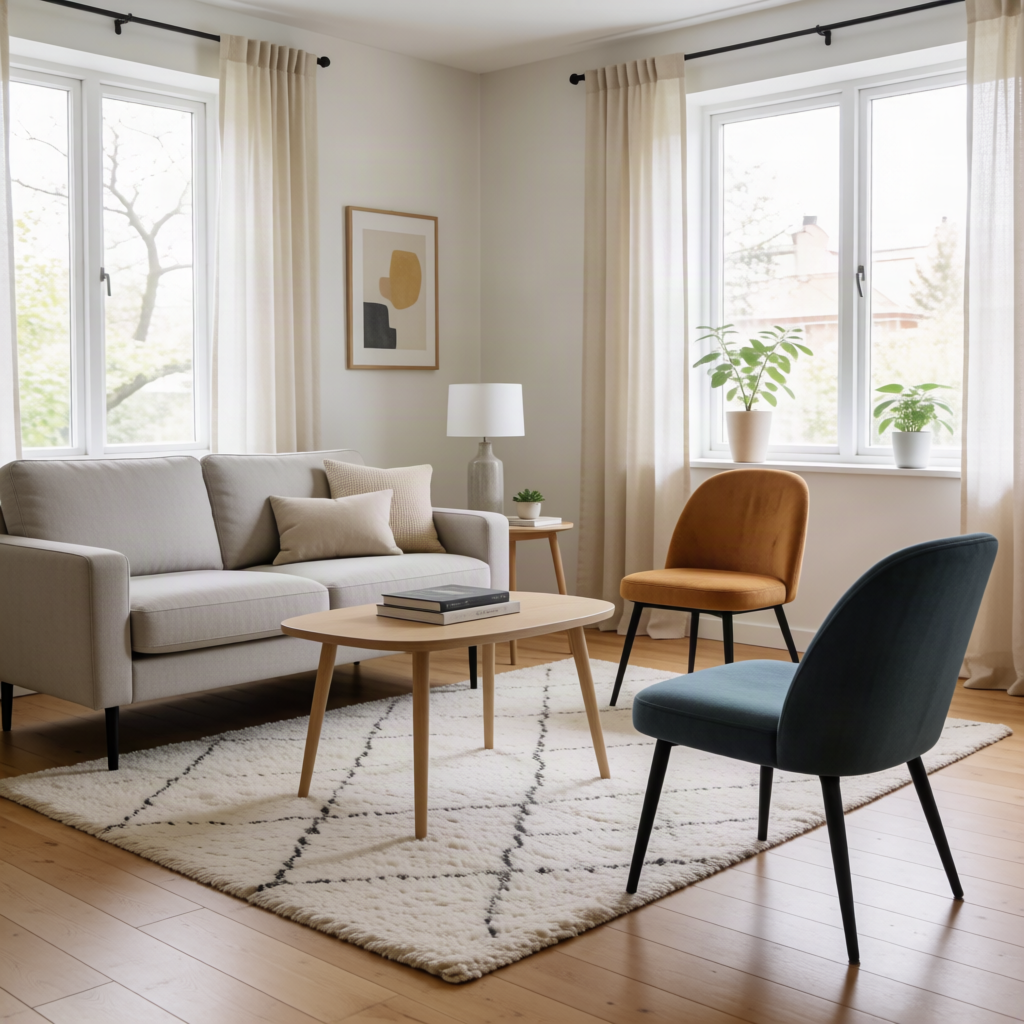
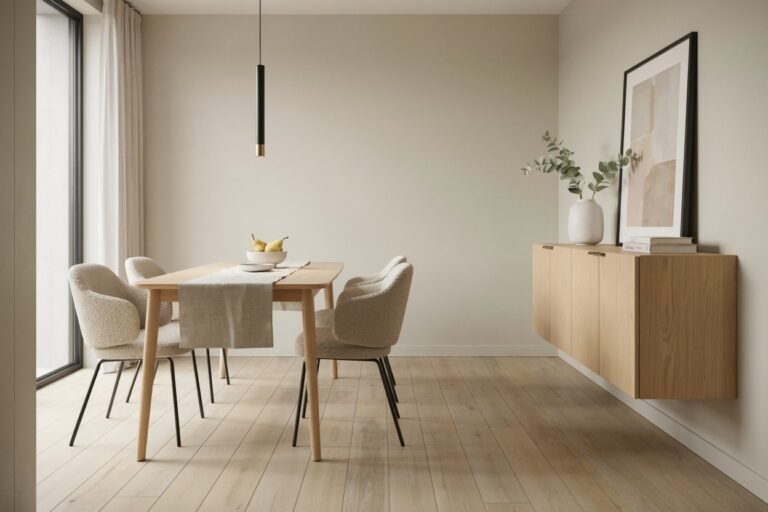
Furniture with exposed, slim legs allows more floor space to remain visible, creating a lighter, more open feel compared to furniture with solid bases that touch the ground entirely. This visual trick makes rooms feel less crowded and more spacious.
This furniture style is a favorite among readers furnishing small living rooms or bedrooms. Choosing sofas, chairs, and tables with visible legs throughout the space maintains a consistent, airy aesthetic that maximizes the perception of available floor area.
9. Use Large-Scale Rugs
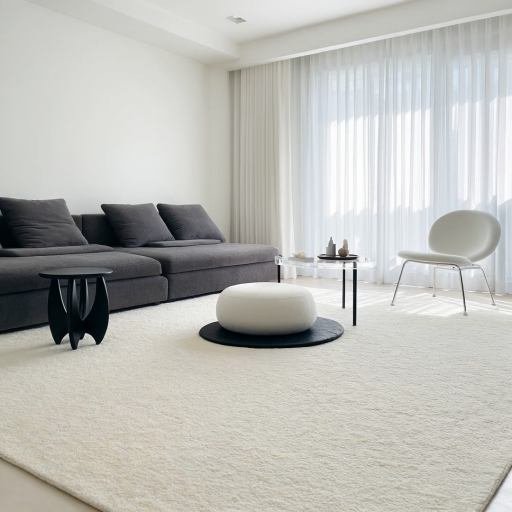
Choosing an oversized area rug that extends beneath all furniture pieces, rather than a small rug that only fits under a coffee table, creates a cohesive, expansive foundation for the room. This sizing prevents the space from feeling fragmented or cramped.
This approach is especially important for readers with small living rooms where an undersized rug can make the entire space feel disjointed. An appropriately large rug visually unifies the seating area, making the room feel more intentional and spacious.
10. Declutter and Embrace Minimalism
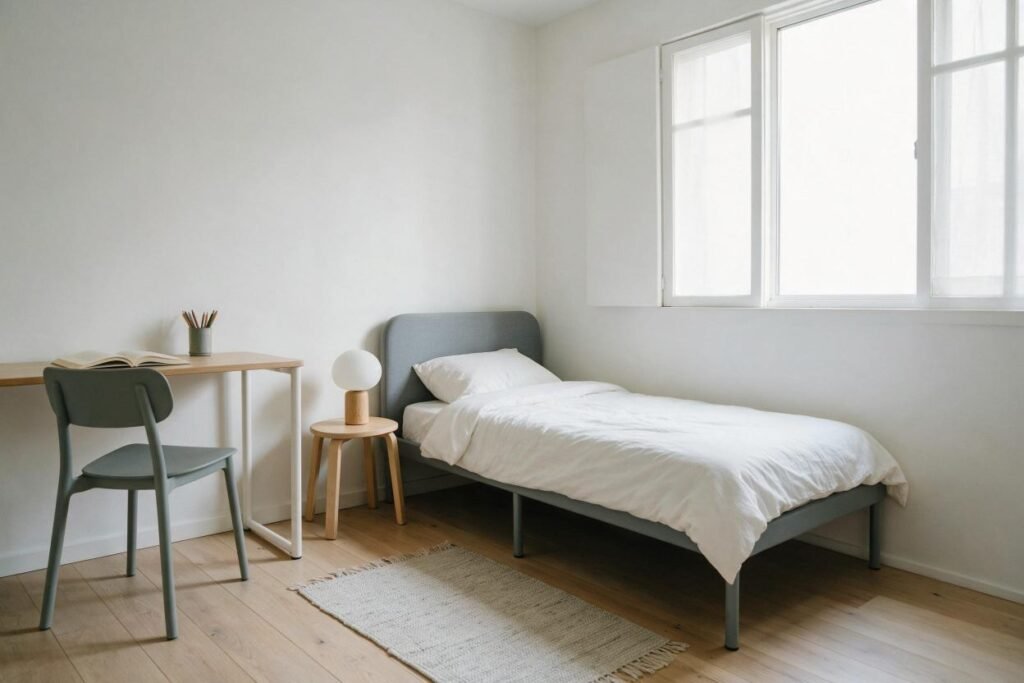
Reducing the number of decorative objects, furniture pieces, and visible clutter throughout a room allows the eye to rest and the space to breathe. This minimalist approach prioritizes function and simplicity over excessive decoration that can overwhelm a small area.
This strategy is a favorite among readers wanting an immediate, cost-free way to make their space feel larger. Storing away rarely used items and keeping surfaces clear creates a calm, open atmosphere that maximizes the room’s perceived square footage.
11. Install Recessed or Track Lighting
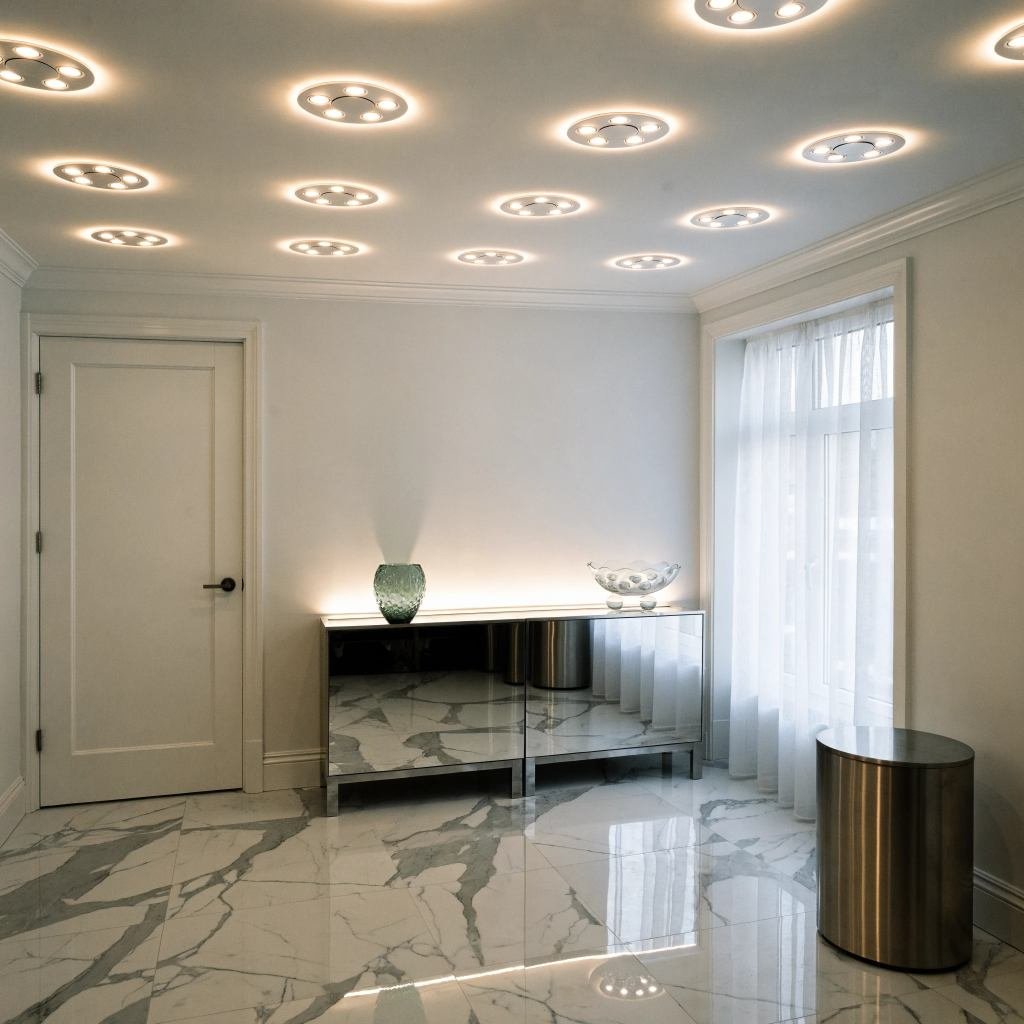
Recessed lighting installed flush into the ceiling avoids the visual bulk that hanging pendant fixtures can create in a small room. This unobtrusive lighting solution brightens the space evenly without adding clutter to already limited vertical space.
This lighting choice is especially practical for readers with low ceilings or compact rooms where a large fixture would feel overwhelming. Recessed lights also contribute to a clean, minimalist aesthetic that reinforces the room’s overall sense of openness.
12. Use Furniture That Matches Wall Color
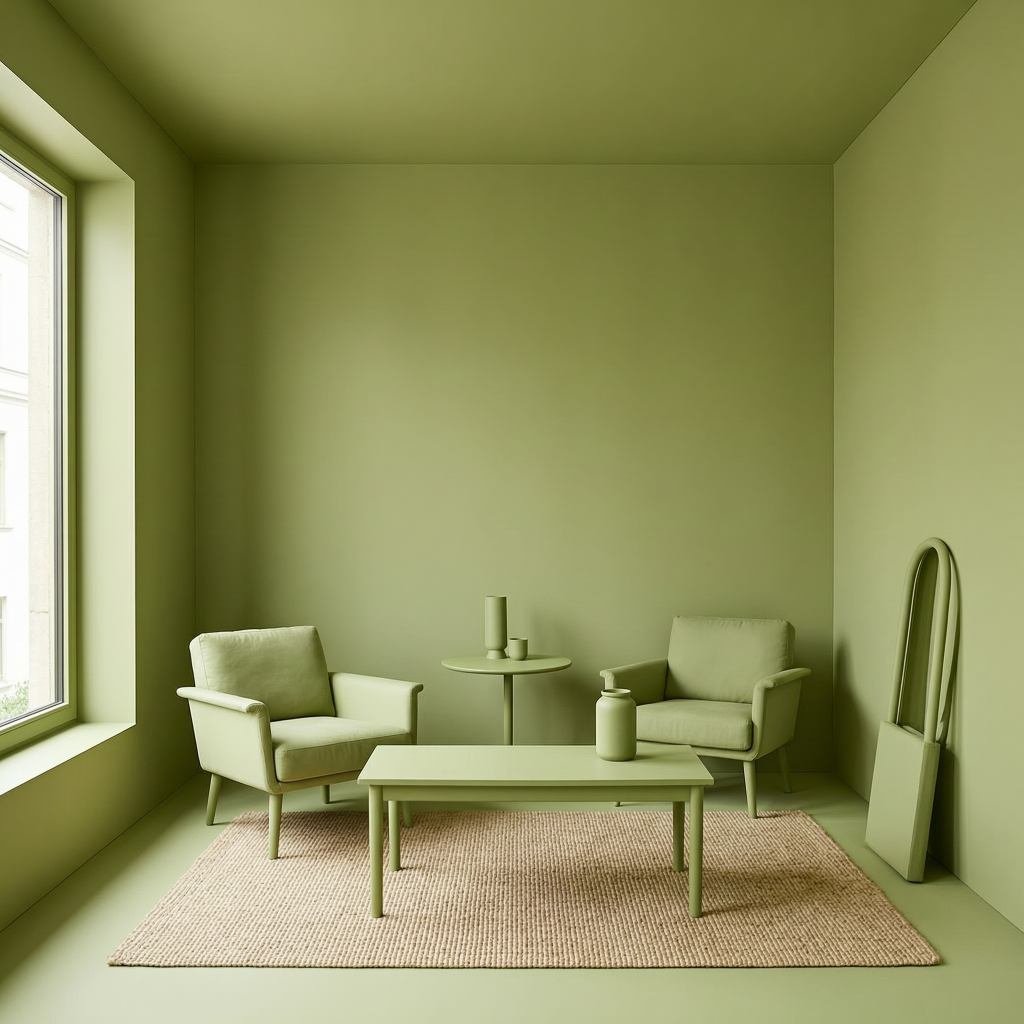
Choosing furniture in the same color as the surrounding walls creates a seamless, blended look that minimizes visual contrast and boundaries within the room. This camouflage effect makes furniture feel like an extension of the space rather than a separate, bulky addition.
This technique is especially effective for readers with built-in shelving or storage units in small rooms. Painting these pieces to match the wall color helps them visually disappear, making the overall room feel significantly more open and uncluttered.
13. Add a Statement Mirror as Wall Art
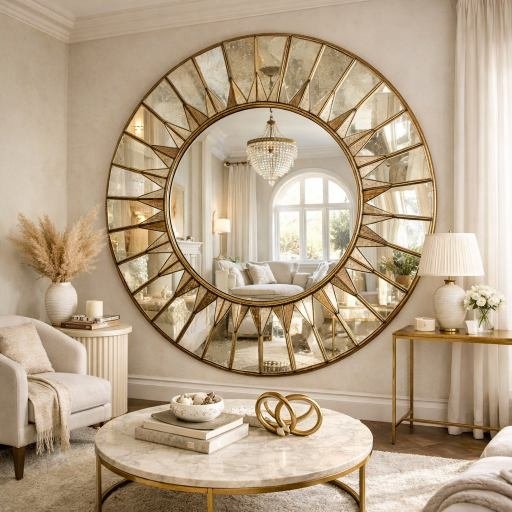
Using an oversized decorative mirror as a wall art focal point serves double duty, adding visual interest while simultaneously reflecting light and views throughout the room. This dual-purpose piece makes the space feel larger without requiring additional furniture or storage.
This combination is especially popular among readers wanting an easy way to elevate their small room’s overall design. Choosing a mirror with an interesting frame adds decorative value beyond its functional light-reflecting and space-expanding properties.
14. Create Zones with Furniture Placement
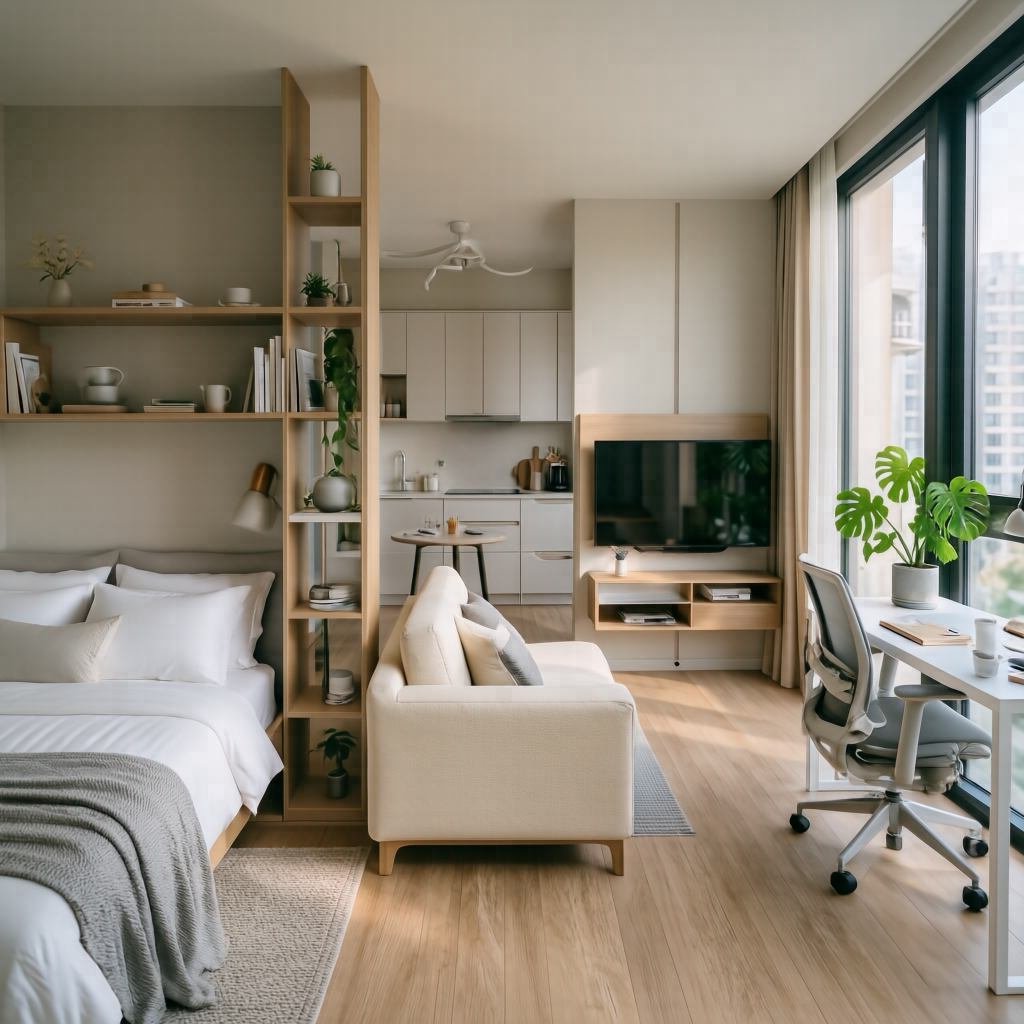
Strategically arranging furniture to create distinct functional zones, like a sleeping area separate from a workspace, helps a small room feel more organized and intentional rather than cluttered and undefined. This zoning technique maximizes the sense of purposeful space.
This approach is especially valuable for readers living in studio apartments or multi-purpose rooms. Using a rug or furniture placement to visually separate zones, rather than solid walls, maintains an open flow while still making the space feel larger and more thoughtfully designed.