14 Tips for Choosing the Perfect Sofa for Your Space
Introduction
Choosing the perfect sofa for your space is one of the biggest furniture decisions you’ll make for your home. A sofa isn’t just a place to sit — it’s the centerpiece of your living room, the spot for movie nights, lazy Sundays, and hosting friends. With so many shapes, fabrics, and styles available, picking the right one can feel overwhelming. This guide breaks down 14 practical, easy-to-follow tips to help you choose a sofa that fits your space, your lifestyle, and your personal style — without the stress or the buyer’s remorse.
1. Measure Your Space Before You Shop
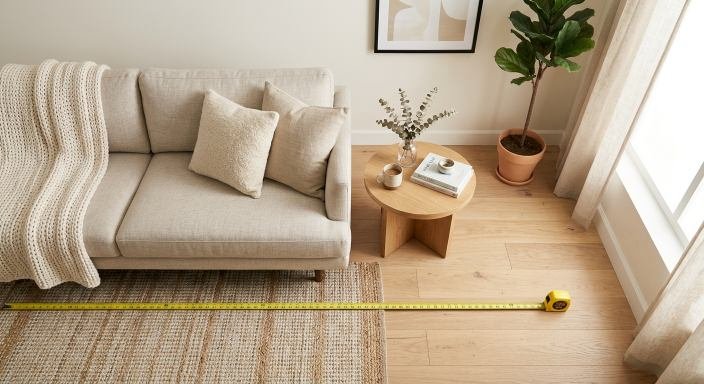
Before falling in love with any sofa, measure your living room carefully, including doorways, hallways, and staircases. Knowing your exact space dimensions prevents costly mistakes and ensures your new sofa fits comfortably without overwhelming the room. Always leave enough space for walking paths and other furniture pieces around it.
Many homeowners skip this simple step and regret it later when their dream sofa doesn’t fit through the door. Use painter’s tape to outline the sofa’s footprint on your floor beforehand. This visual trick helps you picture the actual scale of the piece before committing to a purchase online or in-store.
2. Choose the Right Sofa Shape for Your Room Layout
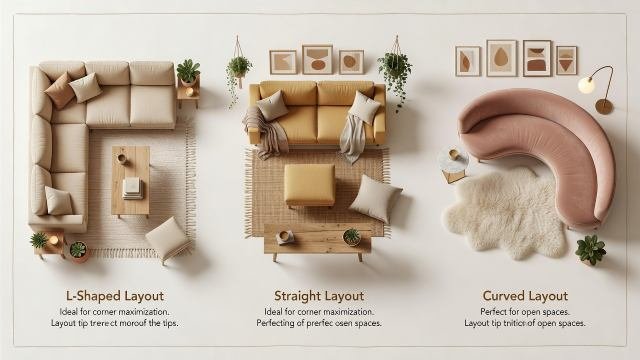
Your room’s layout determines which sofa shape works best. Small rectangular rooms often suit straight sofas, while open-concept spaces can handle L-shaped sectionals beautifully. Curved sofas add softness to modern spaces, while chaise-style sofas maximize lounging comfort in narrower rooms with awkward corners or angles.
Think about traffic flow and how people move through the room when selecting a shape. A well-chosen sofa shape improves both function and visual balance. Sketch your layout or use a free room-planning app to visualize how each sofa silhouette interacts with existing furniture and walkways.
3. Pick a Durable, High-Quality Fabric
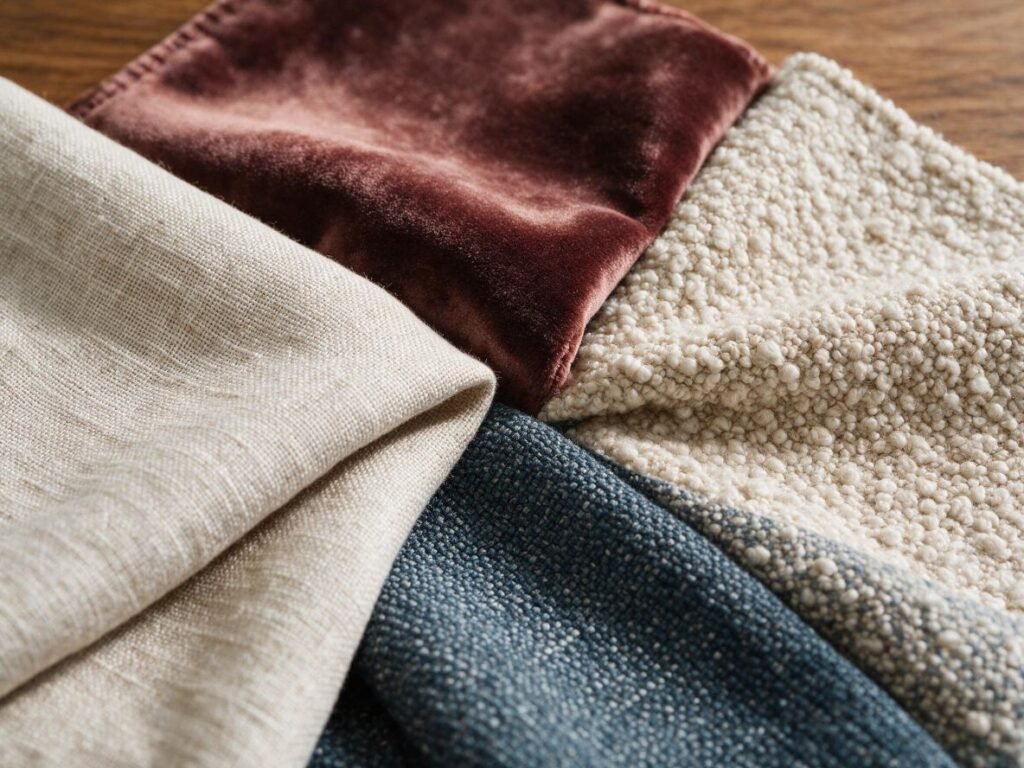
Fabric choice affects both comfort and longevity, so prioritize durability alongside aesthetics. Performance fabrics resist stains and wear, making them ideal for busy households. Natural fibers like linen and cotton feel breathable and elegant, while velvet adds luxury but may require more careful maintenance and cleaning routines.
Consider your climate and daily use before deciding on fabric type. High-traffic homes benefit from tightly woven, easy-to-clean materials, while formal living rooms can embrace delicate textures. Always request fabric samples before buying, since color and texture can look different under real lighting conditions.
4. Consider Your Lifestyle (Kids, Pets, Guests)

Your lifestyle should heavily influence your sofa choice, especially if you have kids or pets at home. Stain-resistant, machine-washable slipcovers are lifesavers for messy households. Darker colors and patterned fabrics hide everyday wear better than light solids, helping your sofa look fresh for years despite daily use.
If you frequently host guests, consider a sleeper sofa or a sectional with extra seating capacity. Removable cushion covers also make cleaning easier after spills or accidents. Choosing a sofa that matches your real daily routine ensures long-term satisfaction rather than just short-term visual appeal.
5. Match the Sofa Style to Your Home’s Décor

A sofa should complement your home’s existing design language, whether it’s modern minimalist, bohemian, farmhouse, or traditional. Clean lines and neutral tones suit contemporary spaces, while tufted backs and rolled arms fit classic interiors. Matching your sofa style creates a cohesive, intentional look throughout your living space.
If your décor mixes styles, choose a transitional sofa design that bridges both aesthetics smoothly. Avoid picking a sofa in isolation — bring fabric swatches or photos of your room when shopping. This helps you visualize how the piece will genuinely blend with your current furniture and color palette.
6. Prioritize Comfort with Cushion Fill

Cushion fill dramatically affects comfort, so understand your options before buying. High-density foam offers firm, long-lasting support, while down-filled cushions feel plush but require regular fluffing. Hybrid cushions combine foam cores with down wrapping, delivering both structure and softness for everyday lounging and relaxation.
Always sit on the sofa in-store, if possible, to test cushion firmness personally. Everyone’s comfort preference differs, so what feels perfect to one person may feel too soft or too firm to another. Reading verified customer reviews about cushion durability also helps set realistic long-term expectations.
7. Select a Color That Complements Your Space
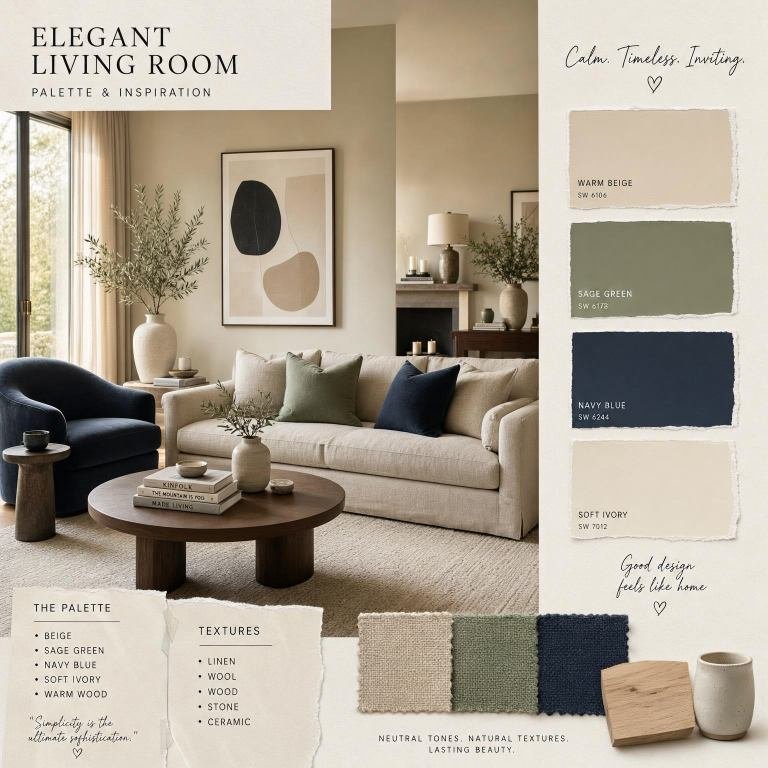
Sofa color sets the tone for your entire room, so choose thoughtfully. Neutral tones like beige, gray, and cream offer timeless versatility and pair easily with changing décor trends. Bold colors like emerald or navy make striking statement pieces but require more careful coordination with existing wall and floor tones.
Consider natural lighting in your room before finalizing a color, since lighting affects how shades appear throughout the day. If you love trendy colors but fear commitment, opt for a neutral sofa base and add color through throw pillows, blankets, and accent chairs instead.
8. Think About Sofa Frame Construction
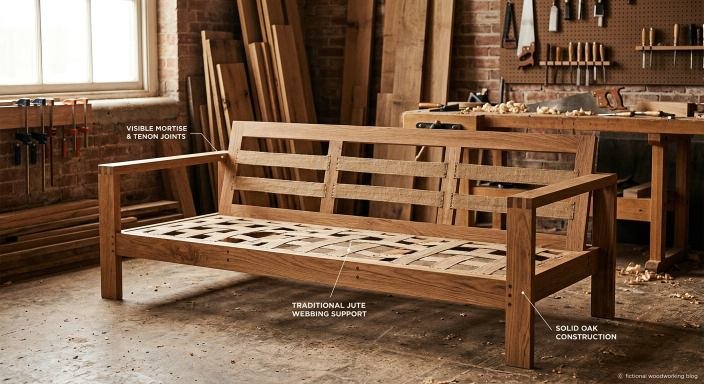
A sofa’s frame determines its lifespan far more than fabric or cushions do. Kiln-dried hardwood frames resist warping and last significantly longer than softwood or particleboard alternatives. Look for corner blocks, dowels, and screws instead of staples or glue alone, since these indicate sturdier, more reliable construction methods.
Ask retailers about frame materials and warranty coverage before purchasing, especially for higher-priced pieces. A well-built frame justifies a higher upfront cost through years of reliable use. Investing in quality construction now often saves money by avoiding premature replacement and repeated furniture shopping later.
9. Don’t Ignore the Sofa’s Legs and Base
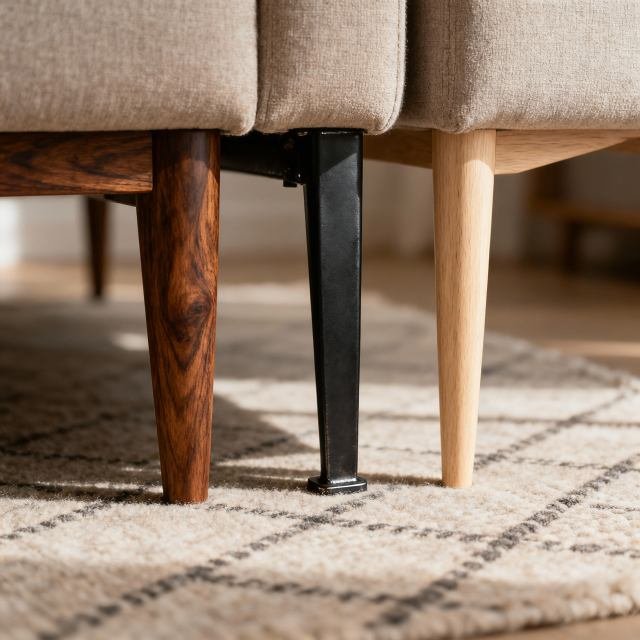
Sofa legs influence both style and stability, yet buyers often overlook this detail. Wooden tapered legs suit mid-century and Scandinavian interiors, while metal legs add an industrial or modern touch. Wider bases offer better balance, especially important in households with active kids or larger pets running around.
Check leg height too, since taller legs make small rooms feel more open by exposing floor space underneath. Low-profile bases, meanwhile, create a cozy, grounded feel in larger rooms. This small design detail significantly impacts your sofa’s overall visual weight and room presence.
10. Consider Modular or Sectional Sofas for Flexibility
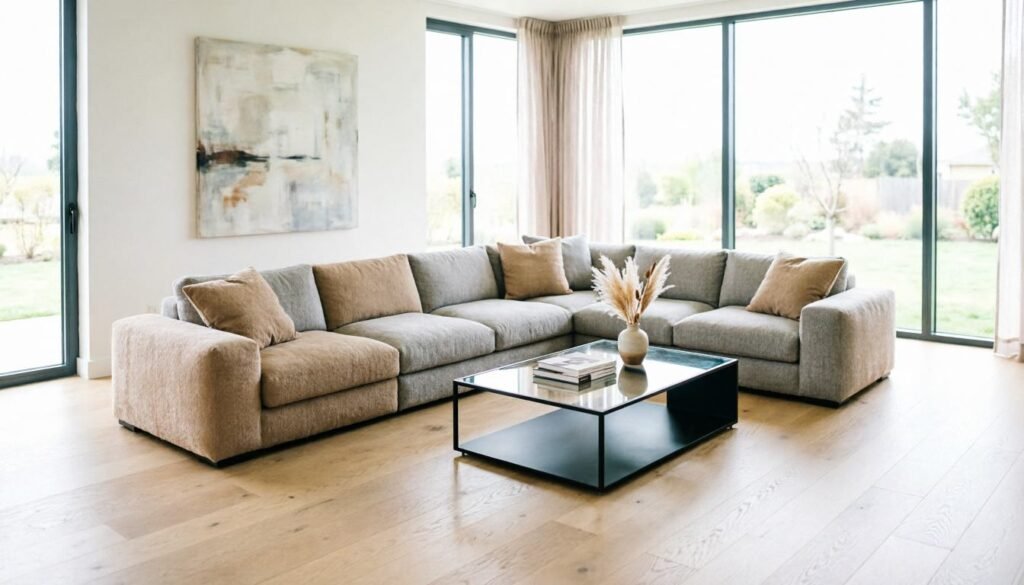
Modular and sectional sofas offer excellent flexibility for growing families or frequently rearranged spaces. Individual pieces can be reconfigured into different shapes, adapting easily to new homes or layout changes. This adaptability makes modular sofas a smart, long-term investment for evolving lifestyles and living situations.
Sectionals also maximize seating in open-concept living rooms, making them ideal for entertaining larger groups. Before buying, confirm whether individual modules can be purchased separately later. This ensures you can expand your seating arrangement without replacing the entire sofa set down the road.
11. Test the Seat Depth and Height

Seat depth and height directly affect comfort and posture, so test them before purchasing whenever possible. Deeper seats suit people who love curling up or lounging, while shallower seats work better for proper back support and easier standing, especially for shorter individuals or older family members.
Standard seat height ranges between 17 and 19 inches, but personal preference varies. If shopping online, check exact measurements and compare them to a sofa you already find comfortable. Getting seat dimensions right prevents daily discomfort that’s easy to overlook during a quick showroom visit.
12. Factor in Delivery and Doorway Clearance

Even the perfect sofa is useless if it can’t reach your living room. Measure doorways, hallway widths, staircases, and elevator dimensions before finalizing your purchase. Non-negotiable clearance points, like tight turns or low ceilings, should be checked carefully to avoid delivery day surprises and disappointments.
Many retailers offer white-glove delivery services that handle tricky maneuvering professionally. Sofas with removable legs or modular pieces are easier to transport into smaller spaces. Always confirm return policies in case the sofa genuinely cannot fit, protecting your purchase before it’s too late.
13. Set a Realistic Budget
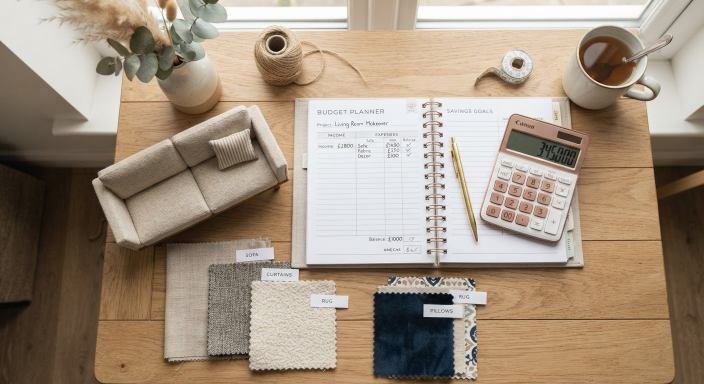
Sofas range dramatically in price, so set a realistic budget before browsing to avoid overspending. Remember that higher prices often reflect better frame construction, premium fabric, and superior cushion quality. Factor in additional costs like delivery fees, fabric protection plans, and potential assembly charges upfront.
A quality sofa is a long-term investment, so consider cost-per-use rather than just the sticker price. Spending slightly more on durability now often saves money by avoiding frequent replacements. Compare several retailers and watch for seasonal sales to get the best possible value.
14. Add Personality with Textures and Patterns
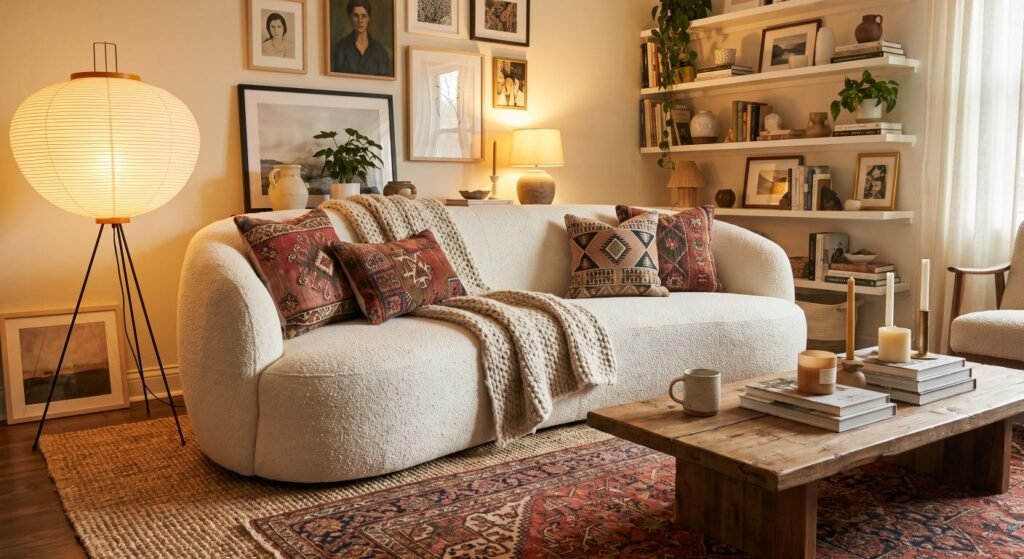
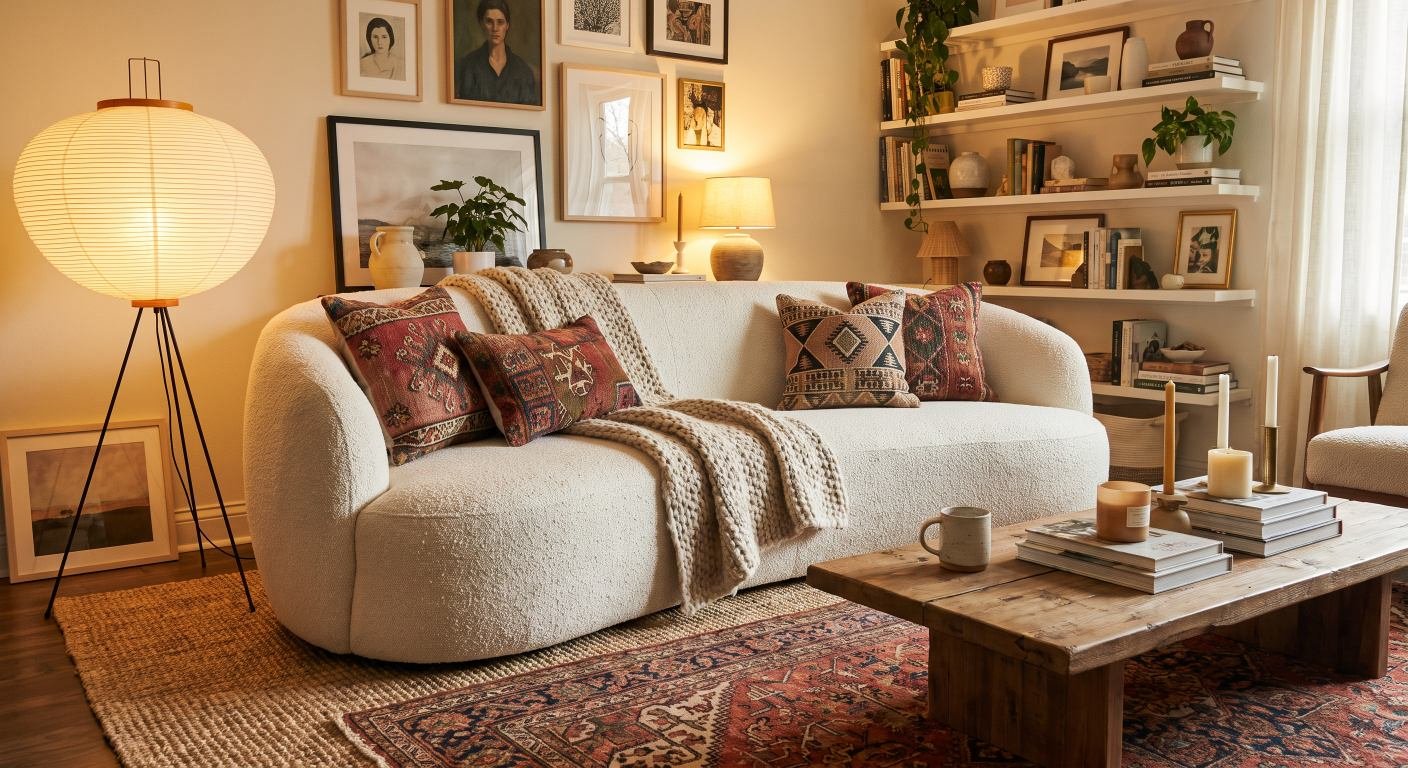
Textures and patterns let your sofa reflect your personal style beyond just color choice. Bouclé, corduroy, and woven textures add tactile interest, while patterned cushions introduce personality without overwhelming the room. Mixing textures thoughtfully creates depth and visual richness throughout your overall living space design.
If you prefer a solid sofa base, layer in patterned throw pillows, textured blankets, and area rugs for personality. This approach keeps your investment piece timeless while still allowing seasonal updates. Small textile changes let you refresh your living room’s look without replacing the sofa itself.