14 Formal vs Casual Dining Room: How to Choose the Right Style for Your Home
Deciding between a formal dining room and a casual dining room shapes how your home feels every single day. This Pinterest-inspired guide breaks down 14 essential differences, complete with image prompts and SEO-optimized copy, so you can confidently design a dining space that fits your lifestyle, your guests, and your everyday meals.
1.Formal vs Casual Dining Room: Understanding the Key Differences
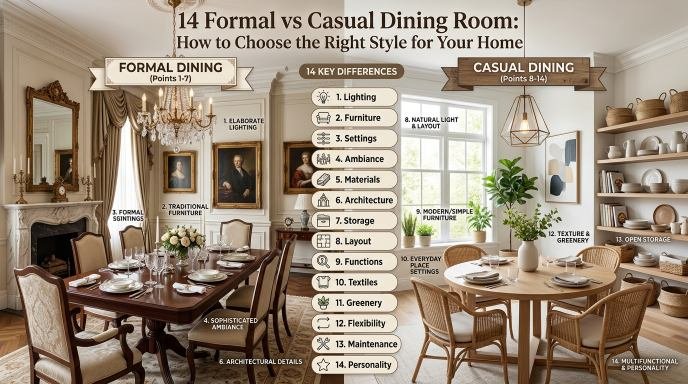
The formal vs casual dining room debate really comes down to purpose, structure, and daily use within your home. Formal dining rooms are designed for special occasions, holidays, and hosting guests, while casual dining areas support relaxed, everyday family meals with far more flexibility, comfort, and multipurpose functionality built directly in.
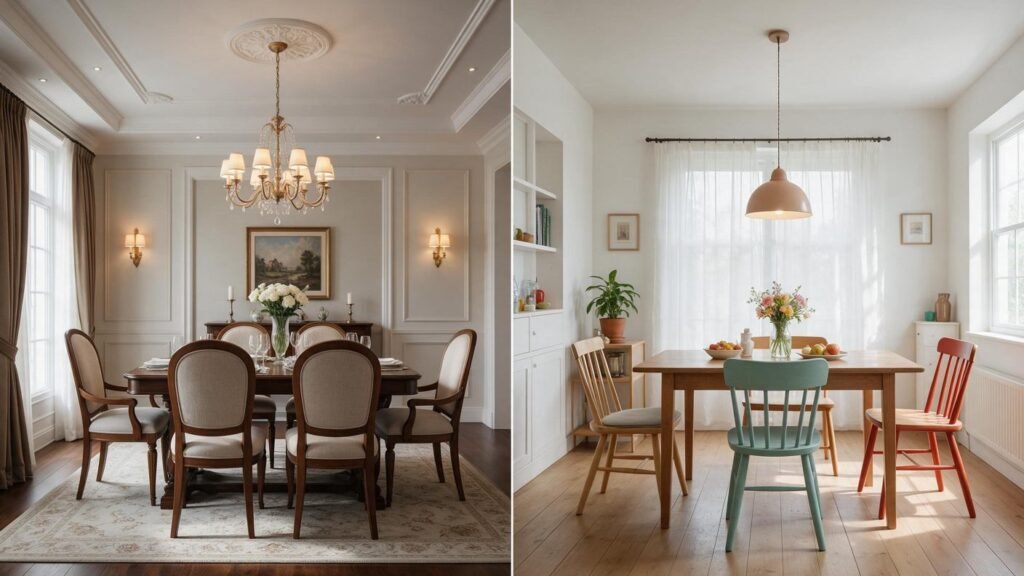
Understanding this core difference helps you avoid decorating mistakes before they happen in your own space. A formal dining room design leans structured and symmetrical, while casual dining room design embraces comfort and mismatched charm. Knowing which one matches your lifestyle first makes every future design decision noticeably easier and far more intentional.
2. What Is a Casual Dining Room?
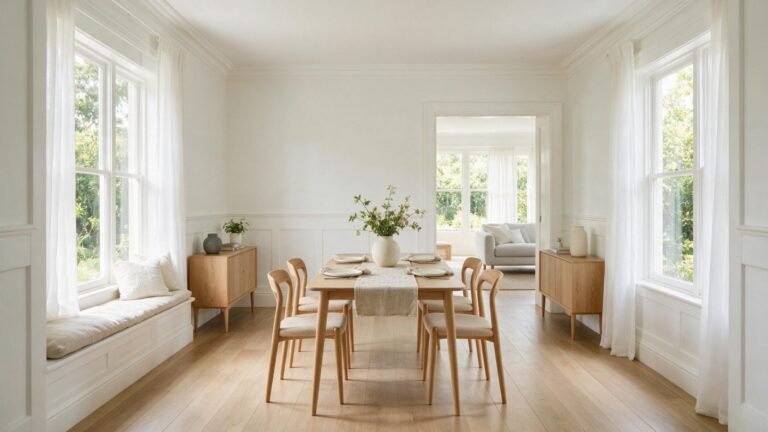
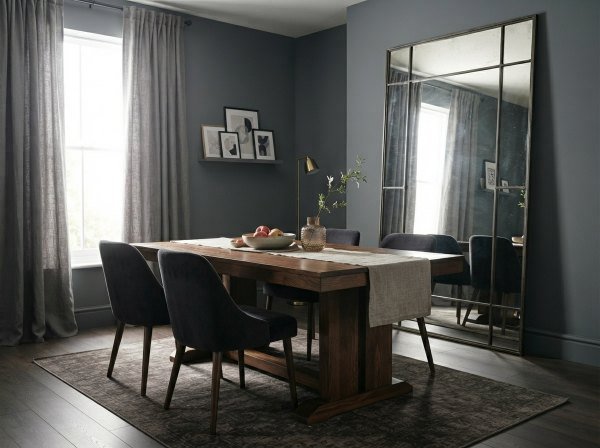
A casual dining room is a relaxed, everyday eating space designed for comfort rather than formality or strict presentation rules. It’s often open to the kitchen or living area, featuring durable furniture, simple decor, and flexible seating arrangements that welcome quick breakfasts, homework sessions, and spontaneous weeknight dinners without any fuss involved.
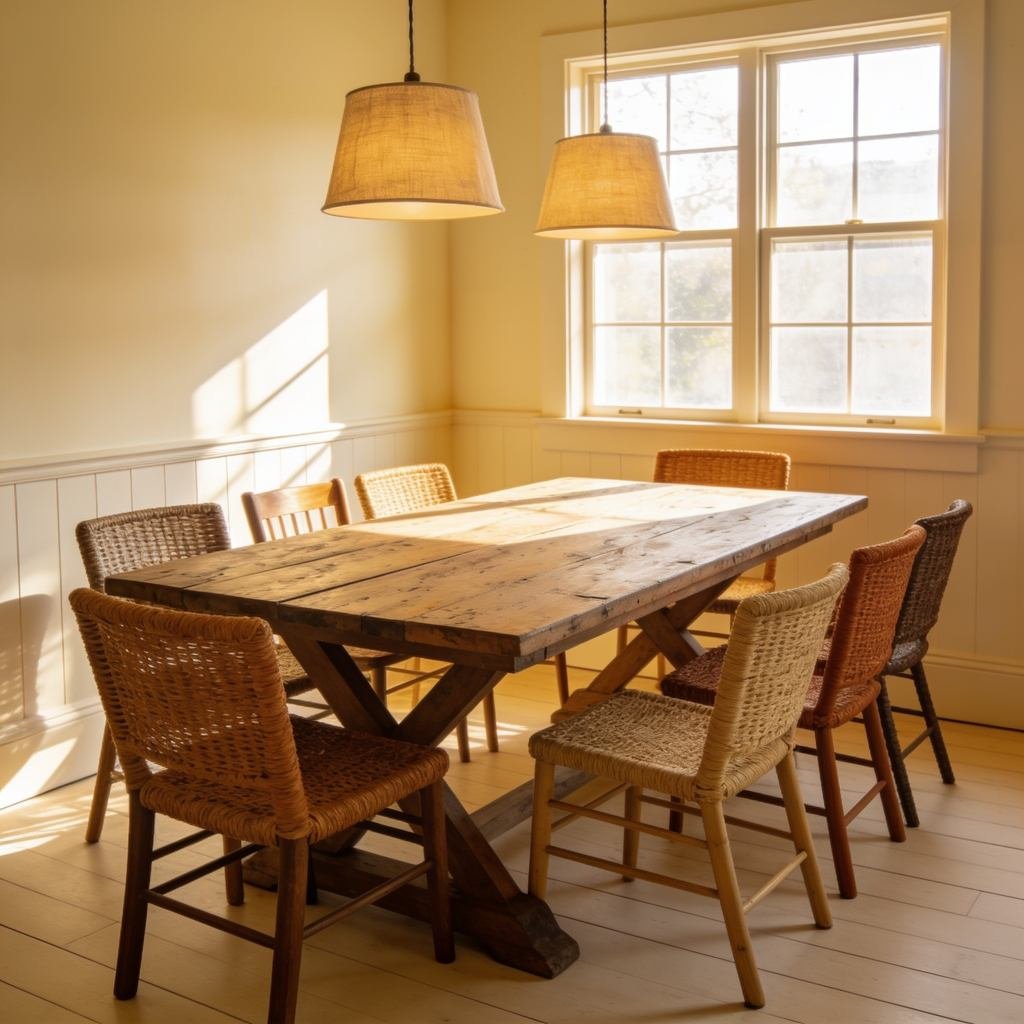
These casual dining room ideas prioritize warmth and practicality over polished perfection, making them ideal for busy households and growing families alike. Think farmhouse tables, mixed seating styles, and soft ambient lighting instead of formal chandeliers. This approachable style keeps the dining experience genuinely stress-free while still looking effortlessly pulled together daily.
3. What Is a Formal Dining Room?
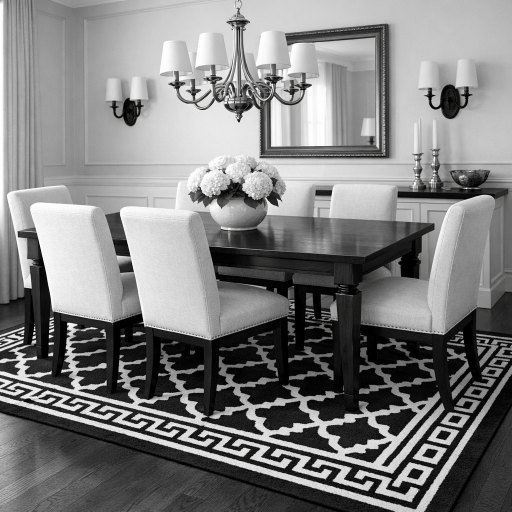
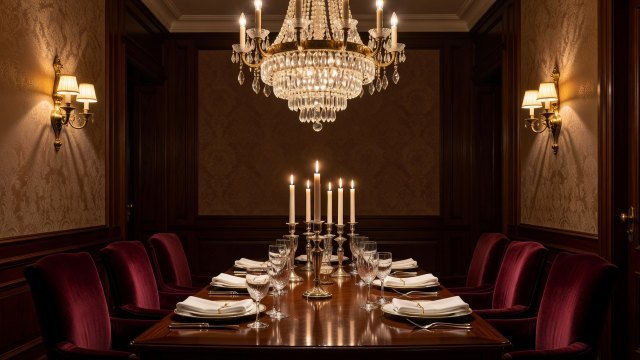
A formal dining room is a dedicated space reserved specifically for special occasions, holiday gatherings, and entertaining guests in an elevated setting. It typically features matching furniture sets, structured lighting, and refined decor choices that create an atmosphere of sophistication, making every dinner feel intentional, elegant, and genuinely memorable for everyone present.
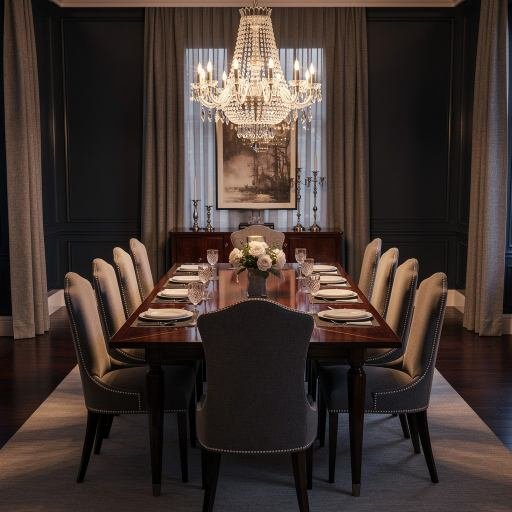
Formal dining room ideas often include statement chandeliers, upholstered seating, and coordinated table settings designed to impress. Unlike casual spaces, formality here means consistency and polish across every design element. This dedicated room signals hospitality and celebration, transforming ordinary dinners into meaningful occasions worth remembering long after the evening ends.
4. Formal Dining Room Design: Key Characteristics
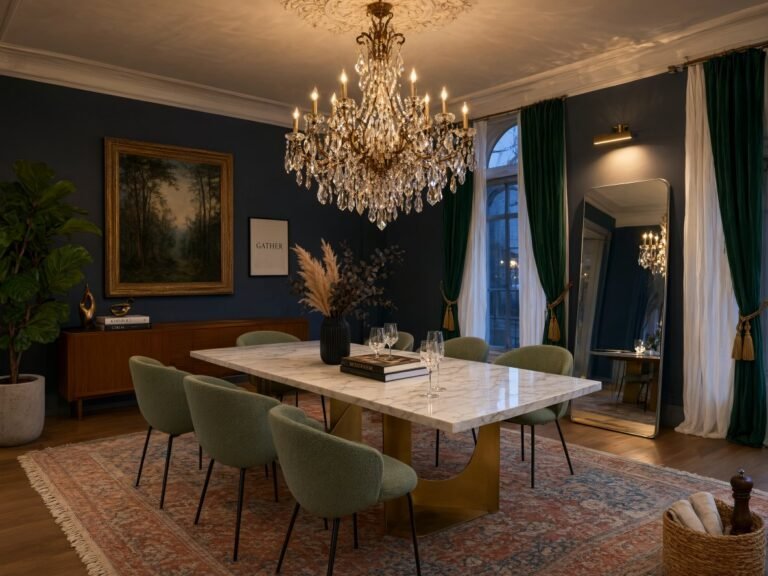
Formal dining room design centers on symmetry, coordinated furniture, and refined finishing touches that elevate the entire dining experience instantly. Expect matching chairs, a statement chandelier, formal table linens, and a color palette leaning toward rich, sophisticated tones like navy, emerald, or deep charcoal paired beautifully with warm wood accents throughout.
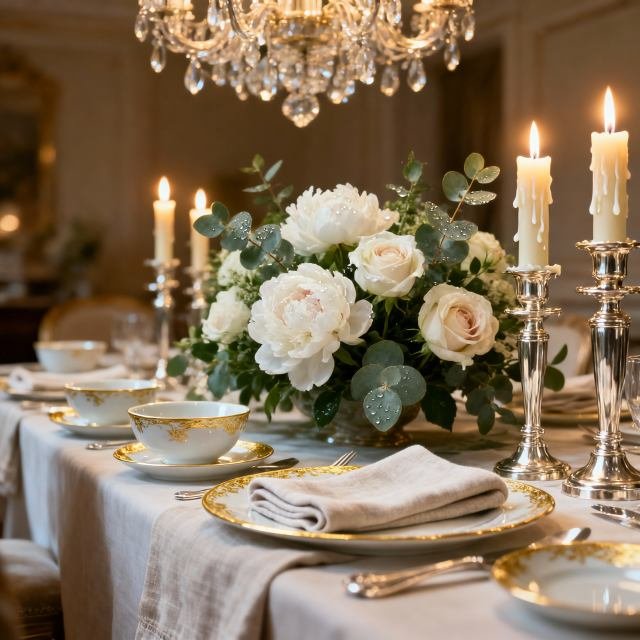
These design choices work together to create an atmosphere suited for entertaining and celebration rather than daily casual use. Formal dining room design also often includes a china cabinet or sideboard for displaying fine dinnerware. Every detail, from lighting to seating, reinforces a sense of occasion and thoughtful, intentional hospitality for guests.
5. Casual Dining Room Design: Key Characteristics
Casual dining room design favors comfort, texture, and everyday practicality over strict formality or matching furniture sets entirely. Expect a mix of seating styles, durable materials, and layered textiles like woven placemats or patterned rugs that welcome spills, homework, and lingering conversations without anyone worrying about staining something delicate or expensive.
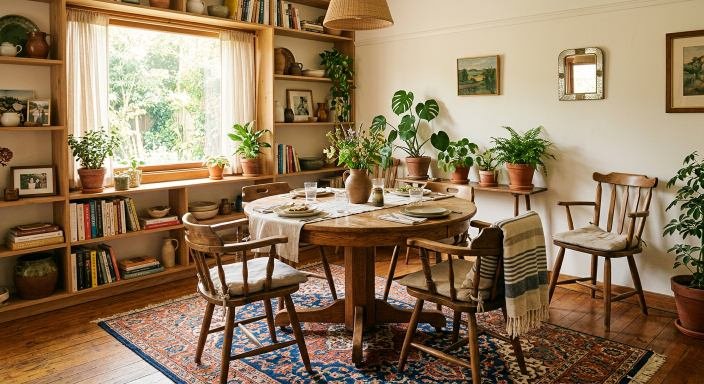
This approach keeps the space feeling warm, personal, and genuinely lived-in rather than staged for appearances alone. Casual dining room design often incorporates open shelving, mismatched chairs, and soft ambient lighting for everyday comfort. The overall goal is creating a welcoming table where family and friends naturally want to gather and linger.
6. Formal vs Casual Dining Room: Side-by-Side Comparison
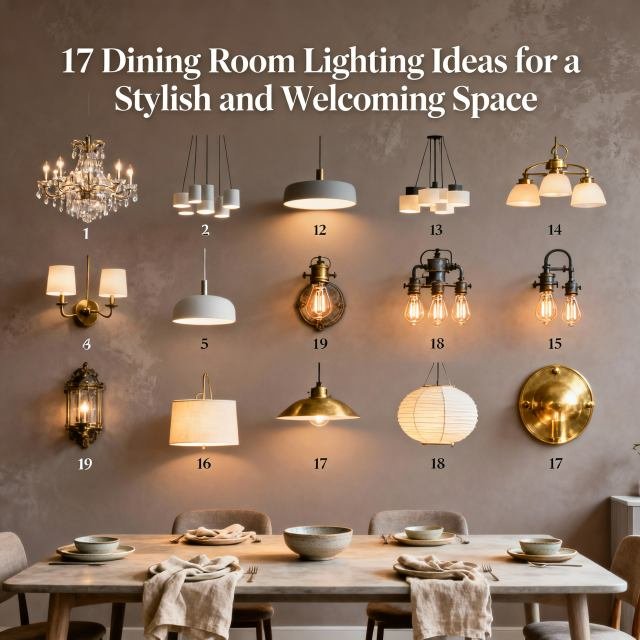
Comparing formal vs casual dining rooms side by side reveals clear distinctions across furniture, lighting, color palette, and overall room function within the home. Formal spaces favor matching sets and structured symmetry, while casual spaces embrace variety and flexibility. Lighting shifts from statement chandeliers to simple pendants or warm ambient fixtures instead.
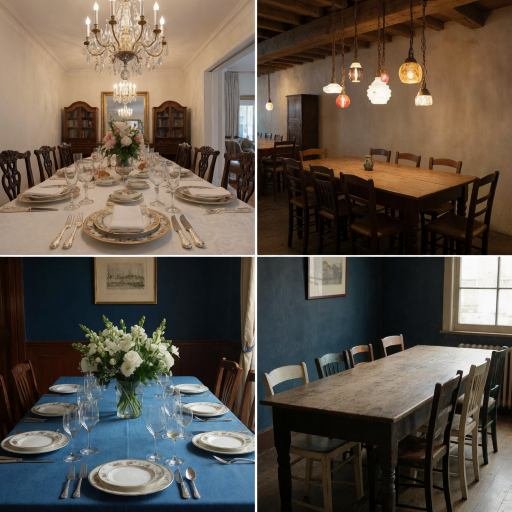
This comparison also extends to room placement and daily accessibility throughout the household routine. Formal dining rooms often sit separate from main living areas, reserved for occasions, while casual dining spaces integrate directly into kitchens or open floor plans. Choosing between them ultimately depends on how often you actually entertain guests.
7. Formal Dining Room Ideas: Choosing the Right Table and Chairs
Choosing the right table and chairs anchors every successful formal dining room design from the very beginning of the planning process. Opt for a long, polished wood or glass table paired with upholstered or high-back chairs for added sophistication. Matching finishes across every piece reinforce that cohesive, elevated formal dining atmosphere beautifully.
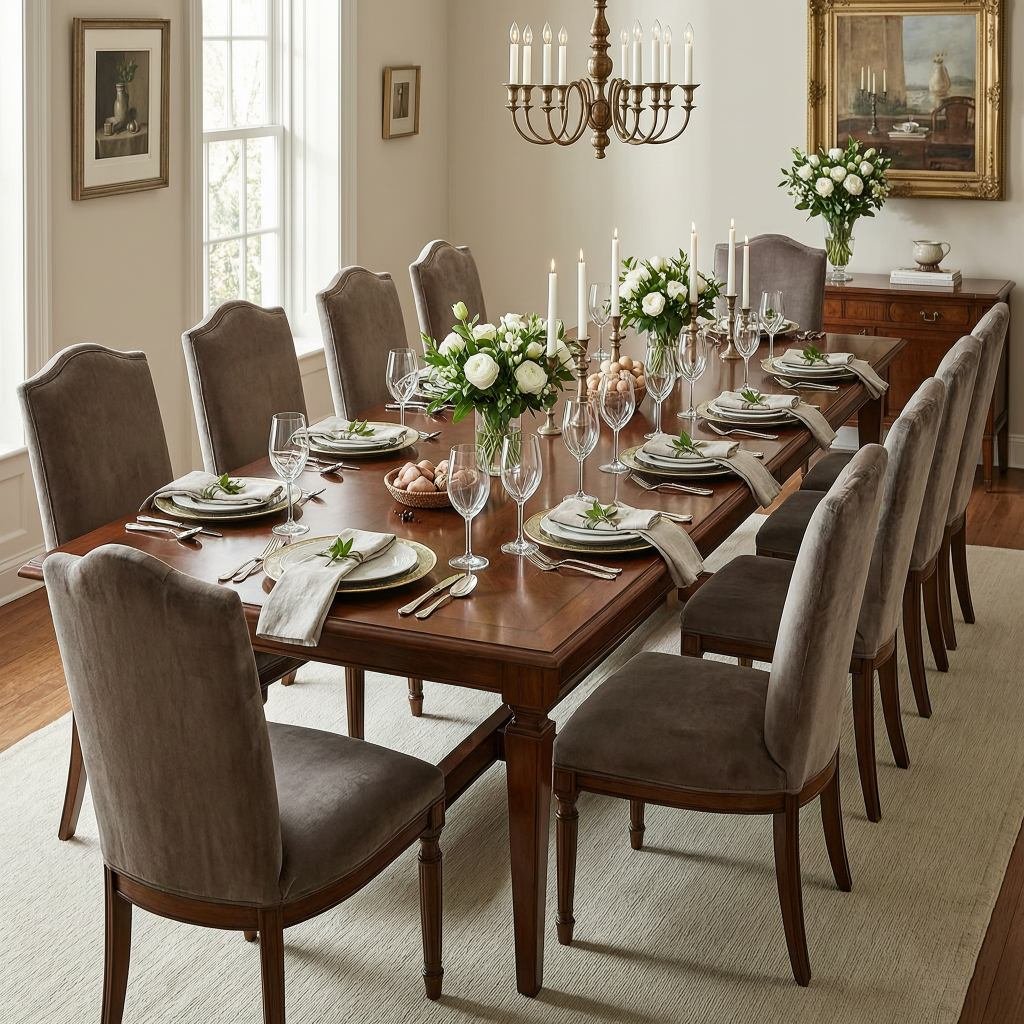
These formal dining room ideas also consider scale and seating capacity for hosting larger gatherings comfortably during holidays. Extendable tables offer flexibility without sacrificing formality when guest lists grow unexpectedly. Pairing your chosen furniture with coordinated lighting and tableware completes the polished, intentional look every formal dining space deserves for entertaining.
8. Casual Dining Room Ideas: Lighting, Color, and Decor
Lighting, color, and decor choices define the relaxed personality behind every successful casual dining room idea worth pinning today. Soft pendant lights, warm neutral wall colors, and natural materials like rattan or reclaimed wood keep the space feeling grounded and welcoming. Layered textiles add texture without tipping into formal territory unnecessarily.
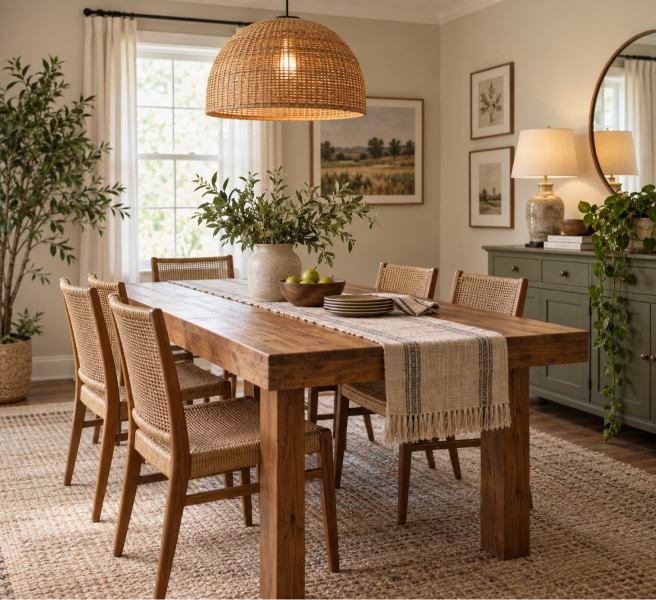
These casual dining room ideas embrace imperfection and personality over polished uniformity across every surface. Consider mixing chair styles, adding greenery, or displaying everyday dinnerware openly on shelves for charm. The goal is a space that feels effortlessly stylish yet completely unpretentious, ready for spontaneous meals and relaxed daily conversations.
9. Formal vs Casual Dining Room: Finding the Middle Ground
Many homeowners don’t want to choose strictly between formal vs casual dining room styles, preferring something that blends both worlds instead. A transitional approach might pair an elegant table with more relaxed seating, or combine warm casual textures with refined formal lighting fixtures overhead, creating balance without feeling overly rigid or stiff.
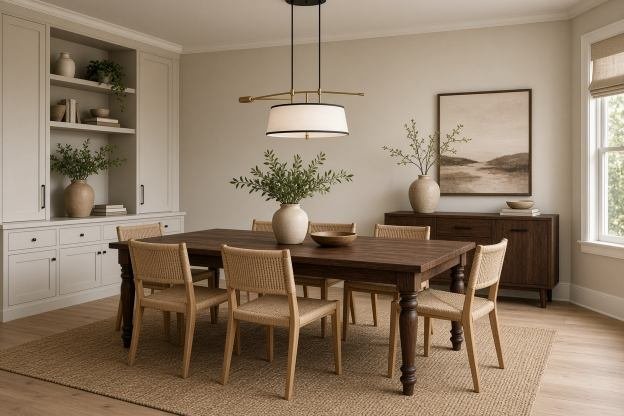
This middle-ground approach works especially well for families who entertain occasionally but still crave everyday comfort throughout the week. Mixing formal and casual dining room design elements allows flexibility for both weeknight dinners and special celebrations alike. The key lies in choosing versatile furniture that adapts gracefully to either dining occasion.
10. Can a Formal Dining Room and Casual Dining Room Be Combined?
Combining a formal dining room and casual dining room into one flexible space is entirely possible with thoughtful, intentional planning. Choose an extendable table that expands for holiday gatherings but feels approachable during everyday meals. Neutral, versatile decor allows the room to shift seamlessly between relaxed dinners and elevated entertaining occasions effortlessly.
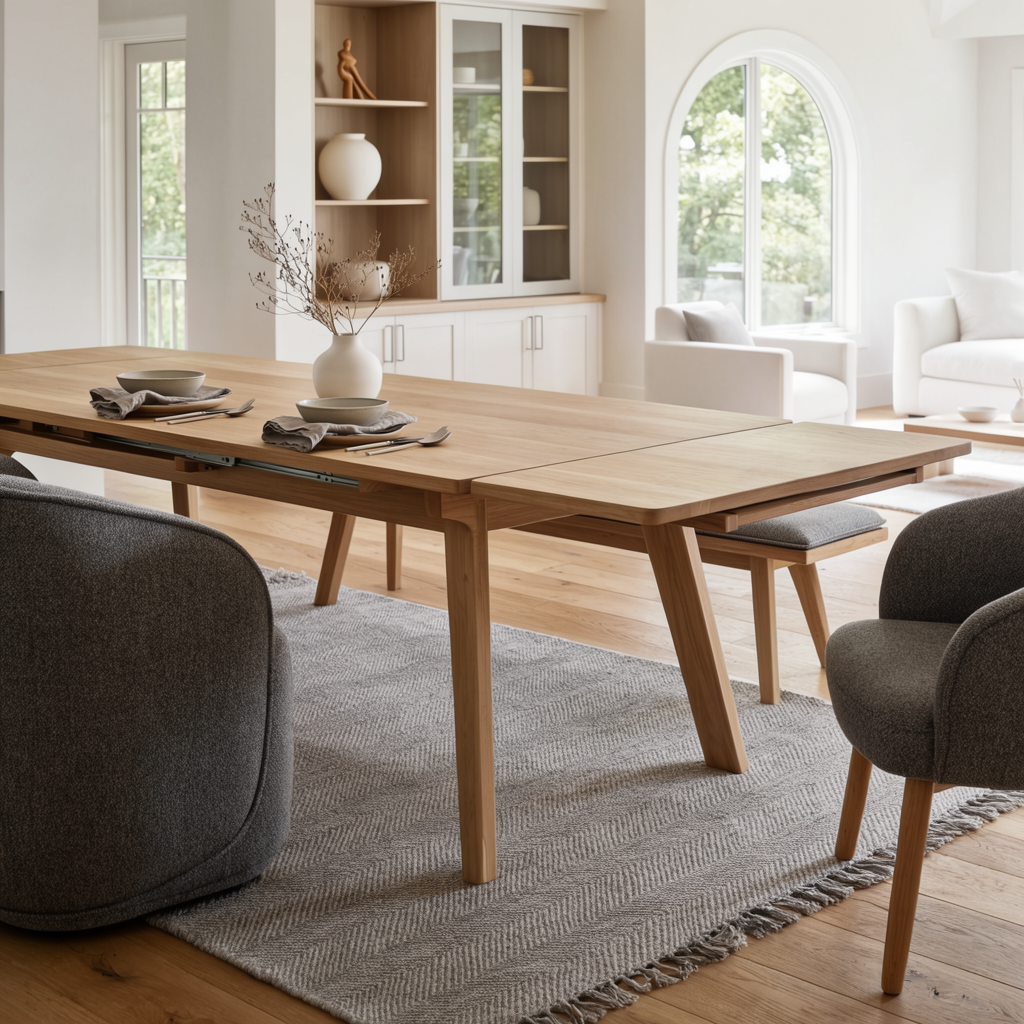
This combined approach suits smaller homes where dedicating separate rooms to each dining style simply isn’t practical or realistic. Swapping table linens, lighting accents, or centerpieces can instantly shift the mood from casual to formal within minutes. It’s a smart, space-saving solution for modern households wanting maximum flexibility without unnecessary compromise.
11. Formal Dining Room Design for Small and Large Spaces
Formal dining room design adapts surprisingly well to both small and large spaces with the right strategic planning approach. Smaller rooms benefit from round tables, mirrored walls, and space-saving pendant lighting instead of bulky chandeliers. Larger spaces can embrace long tables, statement lighting, and generous seating arrangements for impressive, memorable holiday entertaining.
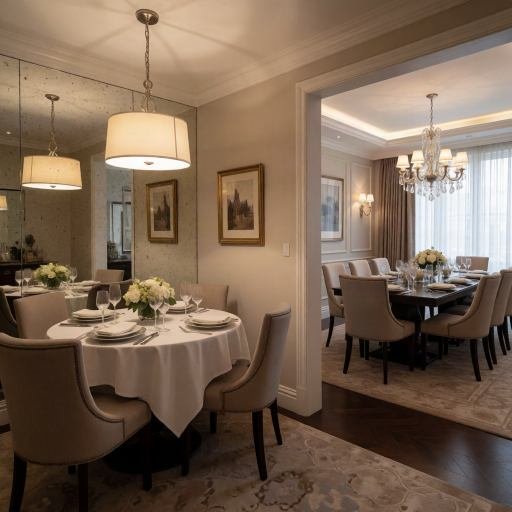
Regardless of square footage, maintaining coordinated furniture and refined finishes keeps the formal atmosphere intact throughout the room. Formal dining room design in compact spaces relies on smart proportions and reflective surfaces to avoid feeling cramped or cluttered. Larger formal spaces, meanwhile, can layer in additional decor without ever losing sophistication.
12. Casual Dining Room Design for Everyday Meals and Entertaining
Casual dining room design shines brightest when balancing everyday practicality with genuine entertaining potential for friends and family alike. A durable table, mixed seating including benches, and warm layered lighting create a space that transitions easily from quick breakfasts to relaxed weekend dinner parties without requiring any major rearranging or extra effort.
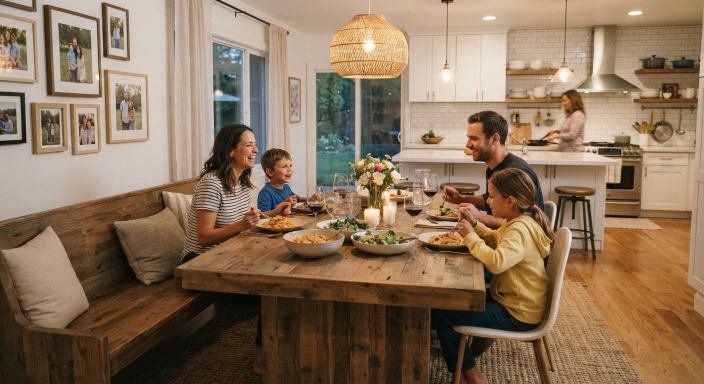
This flexible design approach makes casual dining spaces incredibly functional for busy, active households throughout the year. Open shelving for everyday dishware, easy-to-clean surfaces, and adjustable lighting support both daily routines and spontaneous get-togethers. Casual dining room design ultimately proves that comfort and style can absolutely coexist beautifully within one welcoming space.
13. Formal Dining Room Ideas vs Casual Dining Room Ideas: Which Style Fits You?
Choosing between formal dining room ideas and casual dining room ideas ultimately depends on your household’s lifestyle, entertaining habits, and daily routines. If you frequently host elegant dinner parties or holiday gatherings, formal design elements make sense. If everyday comfort and flexibility matter more, casual dining room ideas will likely suit you better.
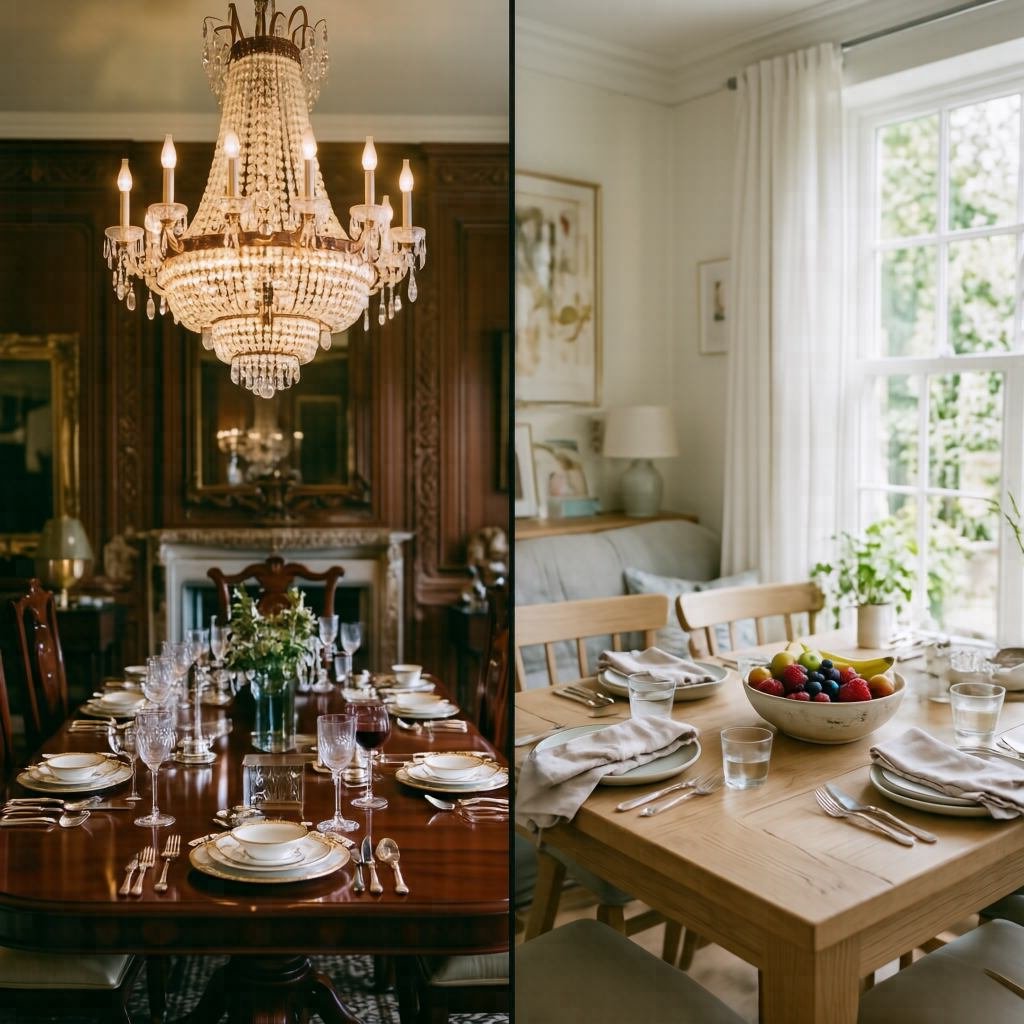
Consider how often you actually use the space, who typically gathers there, and what atmosphere feels most authentic to your family. There’s no universally right answer between these two dining styles, only the one that reflects how you genuinely live. Trust your instincts and prioritize function alongside aesthetics when making this personal decision.
14. Formal vs Casual Dining Room: Design for How You Actually Eat
At the end of the day, the formal vs casual dining room decision should reflect how you and your family actually eat, gather, and celebrate together. Rather than chasing trends alone, design your space around real habits, whether that means frequent formal entertaining or relaxed nightly dinners shared around a comfortable, welcoming table.
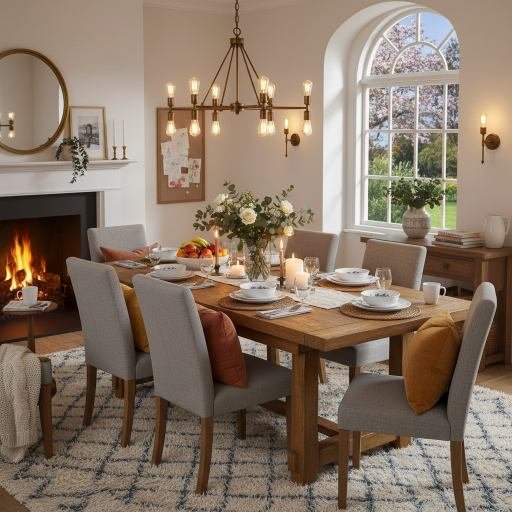
Ultimately, both formal dining room design and casual dining room design can beautifully coexist within thoughtful, well-planned homes. Pinning inspiration is a wonderful starting point, but authenticity matters most in the final result. Choose the style, or blend of styles, that genuinely supports your everyday life and makes every shared meal feel right.