16 Best Bedroom Colors for Sleep: Soothing & Calming Ideas
The right bedroom colors for sleep can transform a restless room into a genuinely restful retreat, shaping mood and relaxation before you even lie down. This Pinterest-inspired guide walks through the science of bedroom color psychology, the best soothing and calming bedroom colors, and the ones worth avoiding, complete with image prompts and SEO-optimized copy.

How Bedroom Colors Affect Your Mood and Sleep
Bedroom color psychology plays a bigger role in sleep quality than most people realize, since certain hues activate the nervous system while others encourage genuine relaxation. Cool, muted tones tend to lower heart rate and promote calm, while bright, saturated colors can feel stimulating even when we’re not consciously aware of the effect happening.
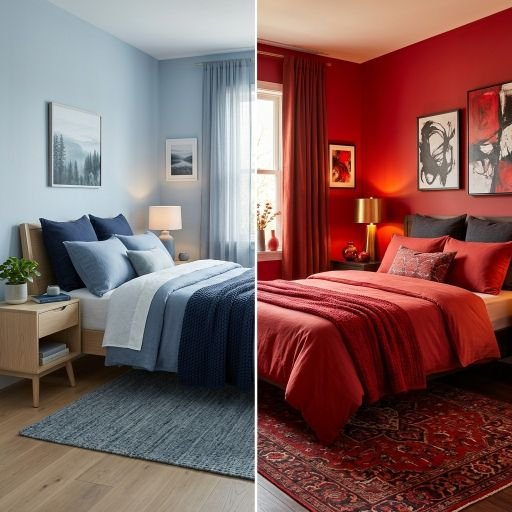
Understanding this connection helps explain why the best bedroom colors for sleep consistently lean toward soft, desaturated shades rather than bold, energetic ones throughout the space. Choosing calming bedroom colors isn’t purely aesthetic, it directly supports the body’s natural wind-down process before sleep. This foundation shapes every color recommendation that follows in this guide.
The Best Bedroom Colors for Sleep
1. Soft Blue for a Calm and Peaceful Bedroom
Soft blue consistently ranks among the best bedroom colors for sleep, thanks to its well-documented ability to lower blood pressure and encourage a genuinely calm, peaceful mental state. This soothing bedroom color mimics the tranquility of open sky or water, subtly signaling relaxation to the brain the moment you walk into the room.
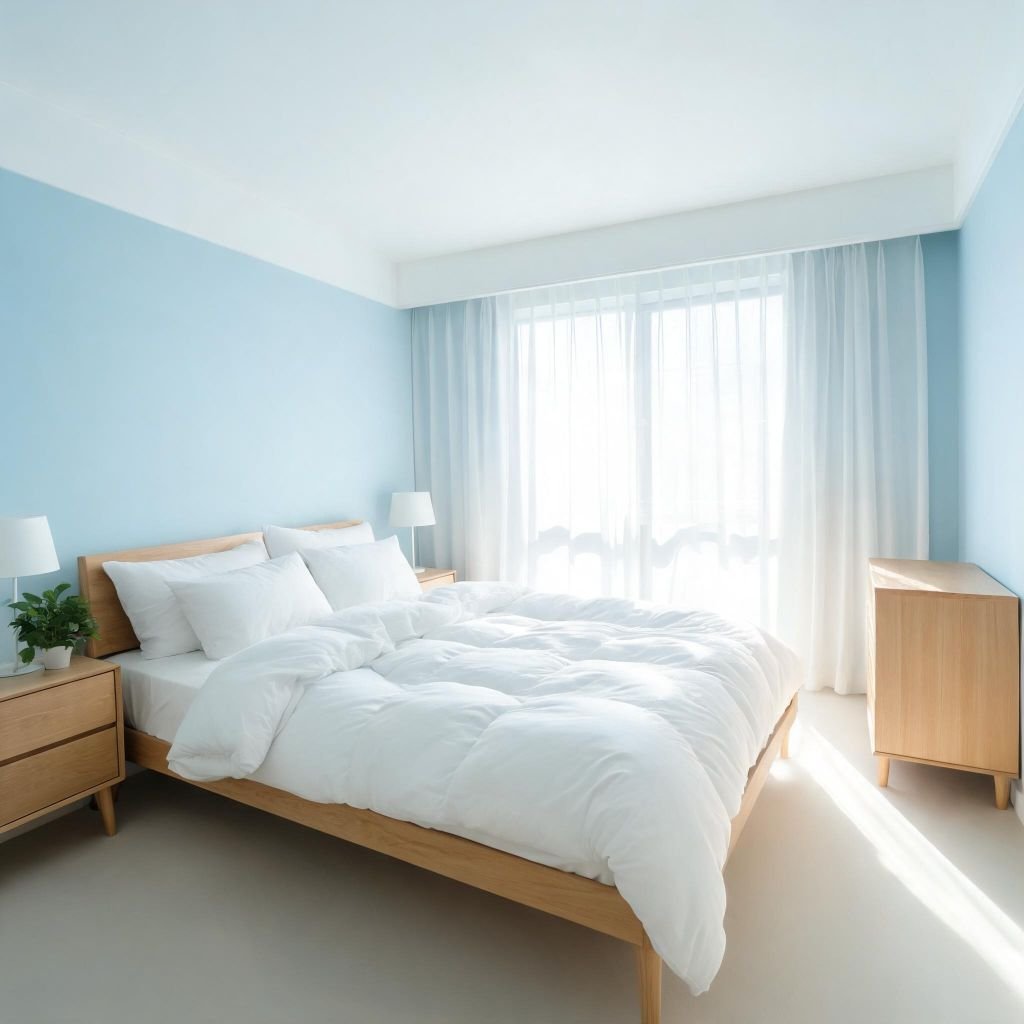
Pairing soft blue walls with white or cream bedding enhances the airy, restful feeling this color naturally provides throughout the bedroom. Adding natural wood accents keeps the palette from feeling cold or clinical despite the cool undertone. This combination remains one of the most popular calming bedroom colors recommended by sleep and design experts alike.
Choosing the right dining room style depends on how you use your space. If you’re deciding between an elegant traditional setup and a more relaxed everyday atmosphere, this guide to formal dining room vs. casual dining style can help you understand the key differences and choose a look that suits your home.
2. Sage Green for a Natural, Relaxing Feel
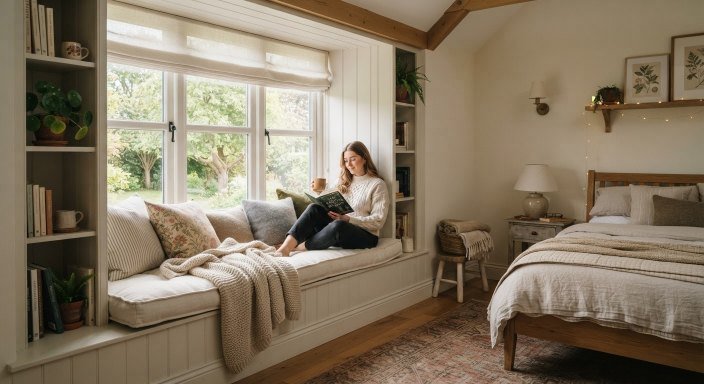
Sage green brings a natural, earthy calm to the bedroom, drawing on our innate connection to greenery and the outdoors to support genuine relaxation before sleep. This soothing bedroom color works particularly well for those wanting a grounded, organic palette rather than a purely cool-toned room, offering warmth alongside its inherently calming qualities.
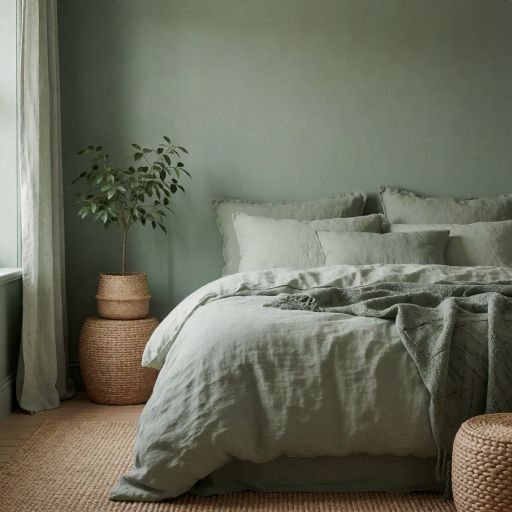
Combining sage green walls with natural linen textiles and wooden furniture reinforces this earthy, restful atmosphere throughout the entire bedroom space. As one of the best bedroom colors for sleep, sage green also pairs beautifully with soft lighting and greenery, further enhancing the room’s connection to nature and genuine sense of calm.
3. Warm White for a Fresh and Serene Space
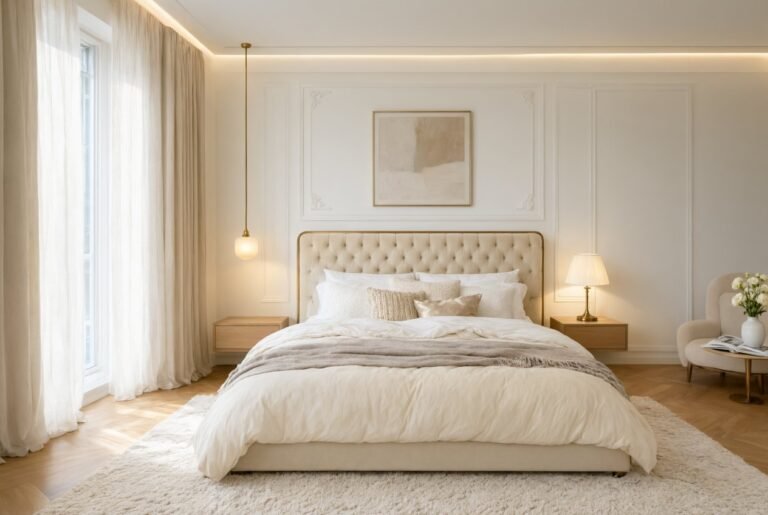
Warm white offers a fresh, serene backdrop that reflects natural light beautifully while avoiding the sterile, cold feeling that stark, cool-toned whites sometimes create in a bedroom. This calming bedroom color works as a blank canvas, allowing textiles and accents to introduce warmth without competing with a busy or saturated wall color.
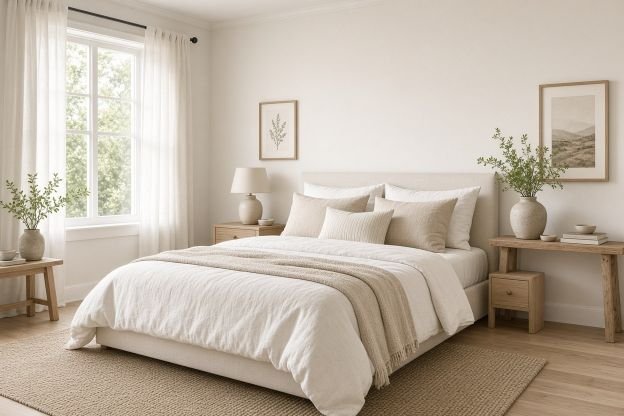
Choosing a warm white with subtle cream or beige undertones, rather than a stark bright white, keeps the room feeling cozy rather than clinical throughout the space. As one of the best bedroom colors for sleep, warm white also makes smaller bedrooms feel more open and airy, supporting both style and genuine restfulness.
4. Light Gray for a Soft, Sophisticated Look
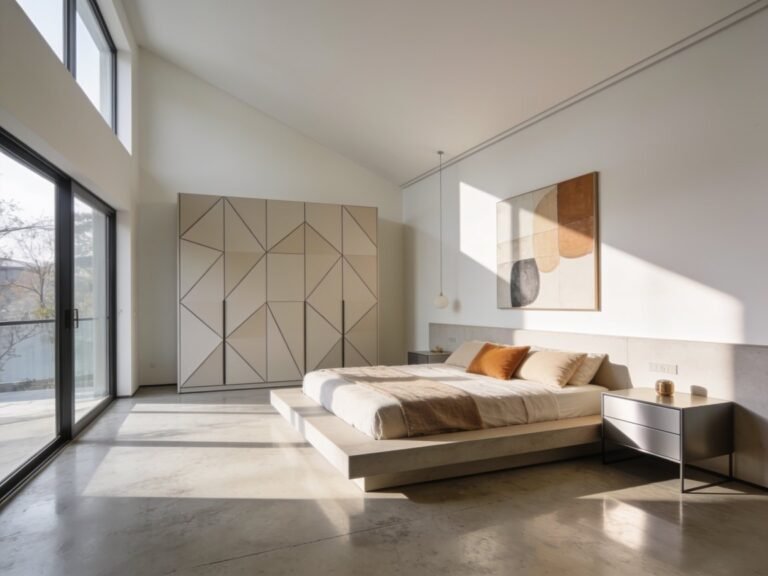
Light gray offers a soft, sophisticated alternative to white or beige, providing depth and subtle warmth without overwhelming the bedroom’s overall calming atmosphere. This soothing bedroom color pairs beautifully with both warm and cool accent tones, making it one of the most versatile choices among the best bedroom colors for sleep available today.
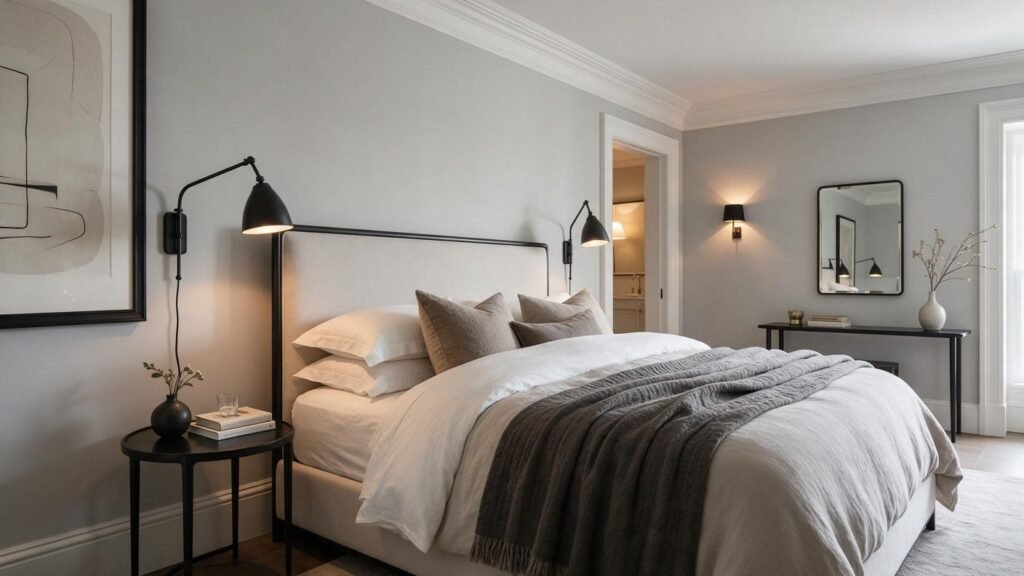
Layering light gray walls with soft textiles, black metal accents, and warm lighting balances the color’s cooler undertone with genuine coziness throughout the room. This calming bedroom color remains a favorite for modern, minimalist bedrooms wanting a restful, elegant palette that still feels warm and inviting rather than stark or sterile overall.
Looking for an easy way to create a stylish everyday look? These baggy pants outfit ideas offer trendy combinations that can be dressed up or down for different occasions.
5. Beige for a Cozy and Timeless Bedroom
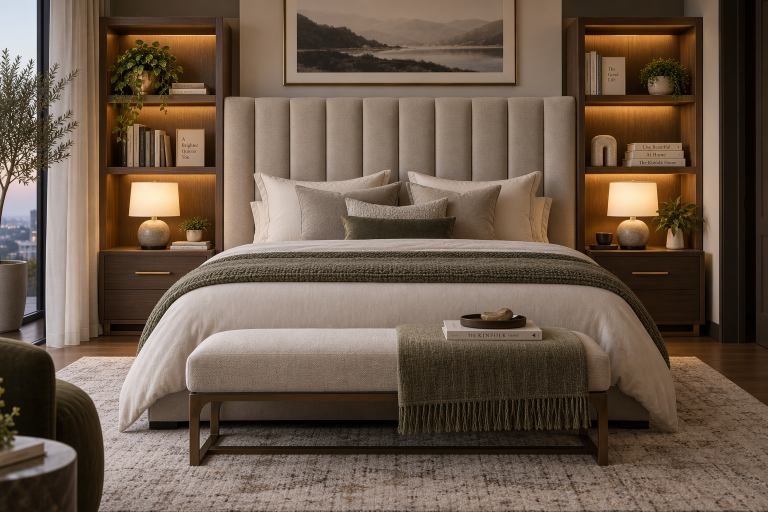
Beige remains one of the most timeless and cozy bedroom colors for sleep, offering warmth and versatility that suits nearly any furniture style or design aesthetic throughout the room. This soothing bedroom color creates a neutral, grounded backdrop that never feels overly trendy, making it a reliable long-term choice for restful bedroom design.
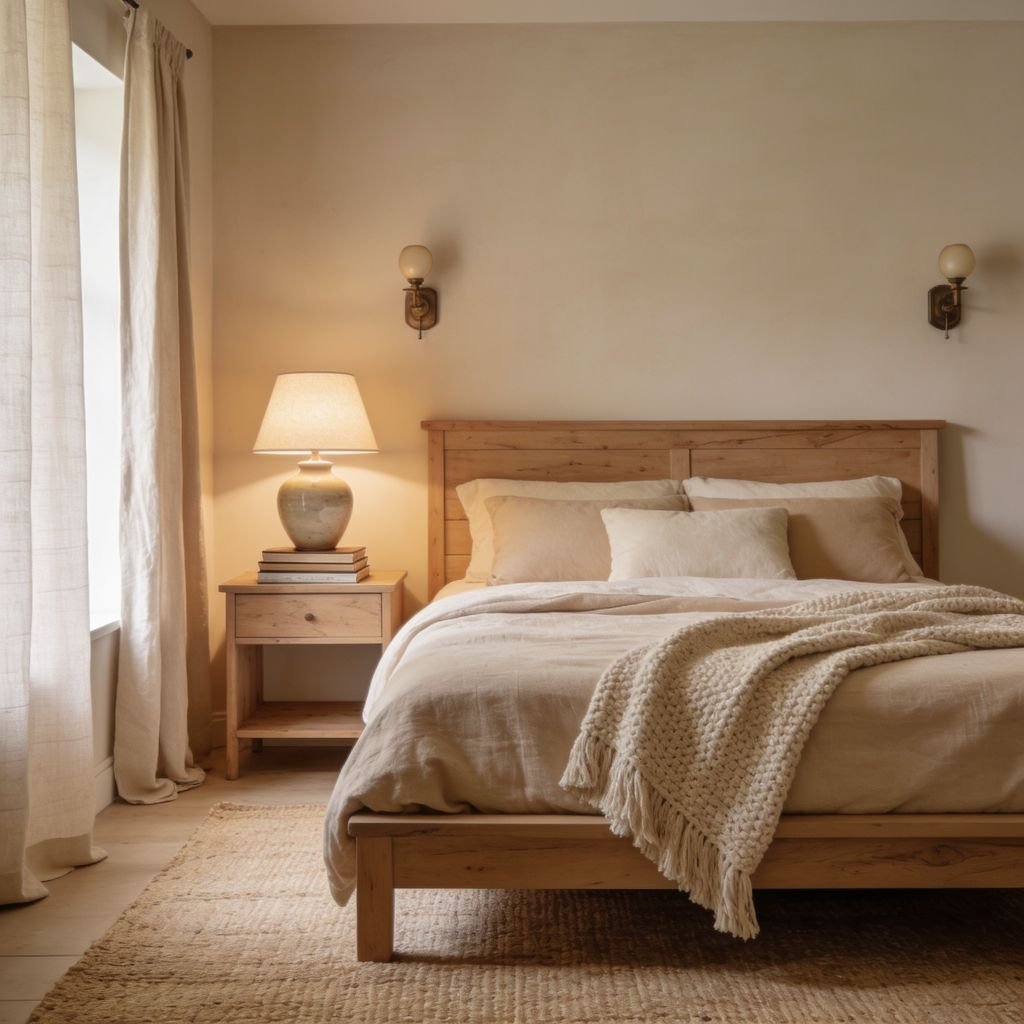
Pairing beige walls with layered textiles in varying warm neutrals adds depth without introducing colors that might feel stimulating before sleep. As one of the best bedroom colors for sleep, beige also photographs beautifully for Pinterest boards, consistently appearing in cozy, hygge-inspired bedroom inspiration focused on comfort and genuine relaxation.
6. Lavender for a Gentle, Restful Atmosphere
Lavender brings a gentle, dreamy quality to the bedroom, long associated with relaxation and restful sleep in both color psychology and aromatherapy traditions combined together. This soothing bedroom color works best in a muted, dusty shade rather than a bright, saturated purple, keeping the overall effect calming rather than overly playful or intense.

Pairing soft lavender walls with white bedding and warm wood accents balances the color’s cool undertone with genuine coziness throughout the bedroom space. As one of the best bedroom colors for sleep, muted lavender consistently appears in Pinterest boards dedicated to calming, feminine, or romantic bedroom design focused on genuine rest.
7. Pale Mauve for a Soft Romantic Touch
Pale mauve offers a soft, romantic alternative to traditional pink or lavender, providing warmth and gentle sophistication without feeling overly saturated or stimulating before sleep. This calming bedroom color blends warm and cool undertones, making it a versatile choice that suits both feminine and gender-neutral bedroom design throughout the entire space.

Combining pale mauve walls with velvet textiles and warm ambient lighting enhances this soft, elegant atmosphere beautifully within the room. As one of the best bedroom colors for sleep, muted mauve consistently ranks among Pinterest’s most saved soothing bedroom colors for its ability to feel both cozy and genuinely sophisticated simultaneously.
Looking for versatile ways to style a maxi or long skirt? These long skirt outfit ideas offer chic looks that work across different seasons and occasions.
8. Dusty Rose for Warmth Without Overpowering the Room
Dusty rose provides warmth and softness without overpowering the bedroom, thanks to its muted, dusty undertone that keeps the color calming rather than vibrant or energizing. This soothing bedroom color works particularly well as an accent wall or paired with neutral bedding, adding personality while still supporting the room’s overall restful atmosphere.
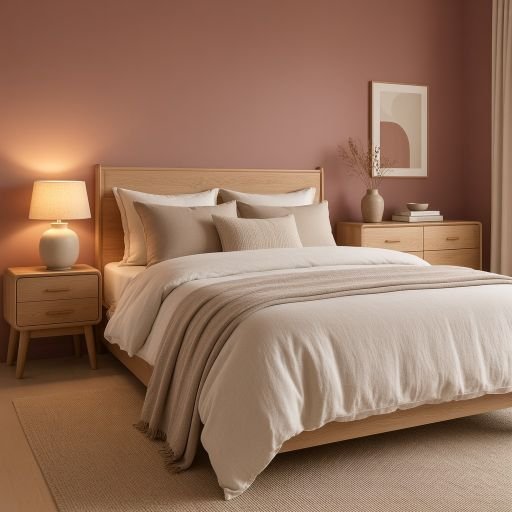
Balancing dusty rose with plenty of neutral tones prevents the color from feeling overwhelming within a smaller or more heavily used bedroom space. As one of the best bedroom colors for sleep, dusty rose remains popular for its ability to feel both trendy and timeless, appealing to a wide range of design preferences.
9. Greige for a Modern and Calming Bedroom
Greige, a blend of gray and beige, has become one of the most popular calming bedroom colors for its ability to feel both modern and genuinely warm simultaneously throughout the room. This versatile shade avoids the coolness of pure gray while sidestepping the potential dullness of straight beige, striking a balanced, soothing middle ground.

Pairing greige walls with minimalist furniture and warm textiles enhances its modern, calming appeal within any bedroom style or size. As one of the best bedroom colors for sleep, greige remains a top choice among interior designers precisely because it adapts so easily to changing trends while staying fundamentally restful and neutral.
10. Soft Taupe for a Cozy Neutral Palette
Soft taupe brings a grounded, cozy warmth to the bedroom, sitting comfortably between beige and brown to create a genuinely neutral, calming backdrop for restful sleep. This soothing bedroom color pairs beautifully with nearly any accent tone, making it an easy, flexible foundation for building out a broader calming bedroom color palette.

Layering soft taupe walls with warm-toned textiles and natural wood furniture reinforces the color’s inherently cozy, grounded character throughout the entire space. As one of the best bedroom colors for sleep, taupe remains a consistent favorite for its timeless versatility, working equally well in traditional, modern, and transitional bedroom design styles.
Bedroom Colors to Avoid for Better Sleep
11. Bright Red and Its Energizing Effect
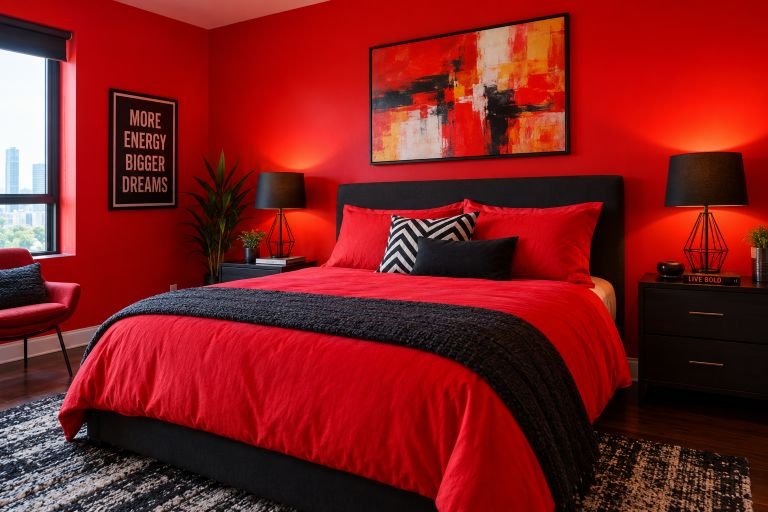
Bright red is one of the most stimulating colors in bedroom color psychology, known to raise heart rate and blood pressure rather than encourage the calm needed for restful sleep. This intensity makes bright red one of the least recommended bedroom colors for sleep, despite its popularity in other rooms designed for energy and activity.
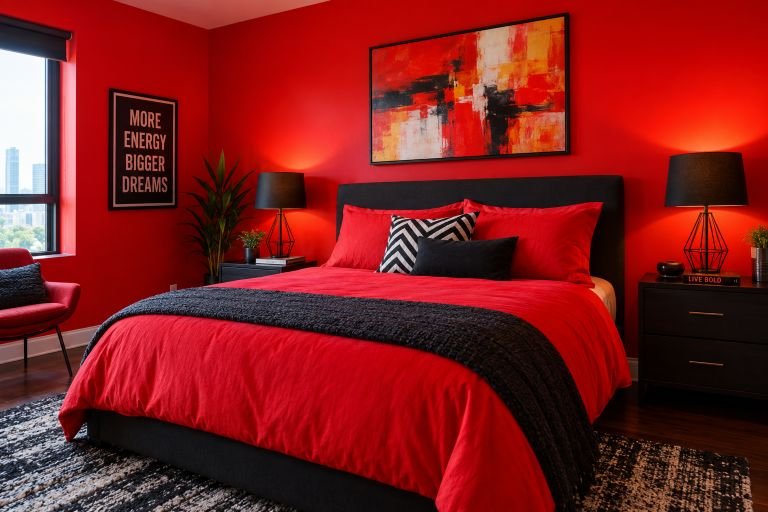
If you love red, consider a muted, dusty variation used sparingly as an accent rather than a dominant wall color throughout the bedroom. Saving bold red for artwork or small decor items allows you to enjoy the color without compromising the calming bedroom colors needed to support genuine relaxation before sleep each night.
12. Bright Orange and Yellow
Bright orange and yellow share red’s energizing qualities, stimulating alertness and activity rather than the calm, sleepy state a bedroom should ideally encourage each night. These vibrant hues work wonderfully in kitchens or workspaces but tend to work against the best bedroom colors for sleep when used as dominant wall colors throughout the room.

Softer, more muted versions of these warm tones, like a dusty mustard or pale apricot, can still work in small doses without overstimulating the space. Reserving bright orange and yellow for accent decor rather than walls keeps the bedroom’s overall calming bedroom color palette intact while still incorporating warmth and personality.
13. How Dark Colors Can Affect a Bedroom
Dark colors aren’t inherently bad for sleep, but they can make smaller or poorly lit bedrooms feel oppressive rather than cozy if not balanced carefully throughout the design. Deep navy, charcoal, or forest green can absolutely support restful sleep in larger, well-lit rooms, but require thoughtful lighting and lighter accents to avoid feeling heavy.
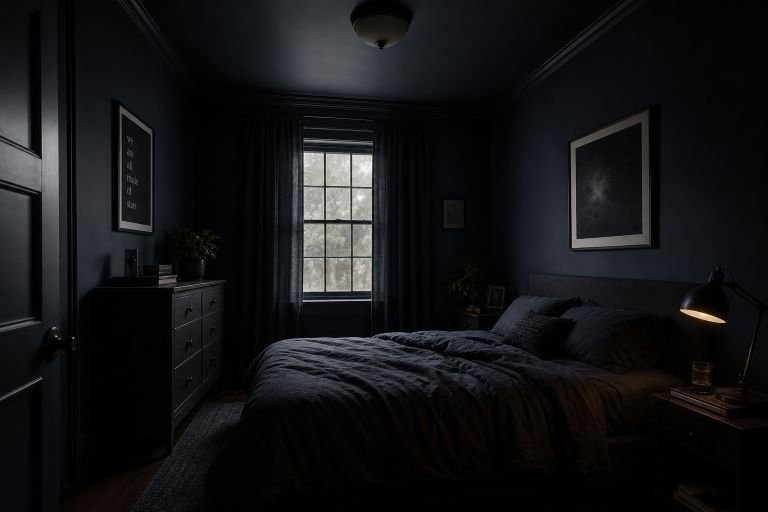
Bedroom color psychology suggests dark tones work best when paired with warm lighting, natural textures, and enough contrast to prevent the room from feeling closed in or gloomy. Choosing dark, moody colors as one of your bedroom colors for sleep works well only when the room’s size and light levels genuinely support the choice.
How to Choose the Right Calming Bedroom Color
Choosing the right calming bedroom color starts with considering your room’s natural light levels, size, and existing furniture before committing to a specific shade throughout the space. Testing paint swatches directly on the wall at different times of day reveals how a color actually looks under both morning sunlight and evening lamp light.
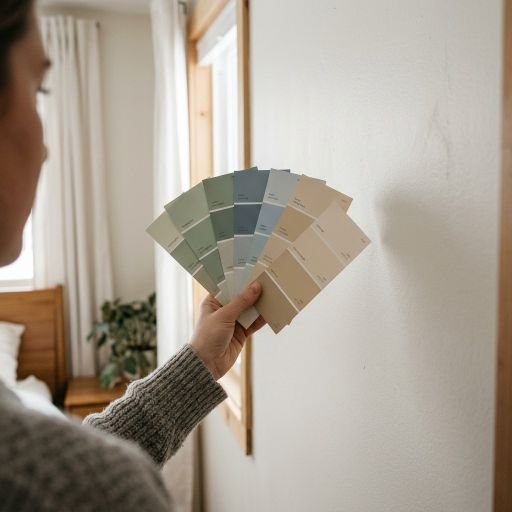
Personal preference matters too, since the best bedroom colors for sleep still need to feel genuinely appealing to you rather than simply following a trend or expert recommendation blindly. Combining bedroom color psychology principles with your own sense of comfort ensures the final choice supports both restful sleep and everyday personal satisfaction.